The Essential Hurricane Preparedness Checklist for Home
Waiting for a named storm leads to panic buying and missed safety steps. Use this timeline-based hurricane preparedness checklist to secure your property long before the wind starts howling.
As August rolls in, peak hurricane season arrives with it. For coastal and inland homeowners, the late-summer humidity is often accompanied by the anxiety of watching weather models track tropical depressions. The most common mistake homeowners make is waiting until a storm gets a name. Waiting leads to frantic rushing, empty hardware store shelves, and missed safety steps that result in preventable property damage.
To protect your property, you need a plan that shifts your focus from reactive panic to proactive readiness. This comprehensive hurricane preparedness checklist for home breaks down exactly what you need to do, and when you need to do it, so you can weather the storm safely.
Why do you need a hurricane preparedness checklist for home right now?
Preparation buys you time, and time is the most valuable currency during an emergency. When a hurricane warning is issued, you only have about 36 hours to secure your property. If you spend that time standing in line for $25 sheets of plywood or fighting over the last 5-gallon gas can, you aren't actually securing your house. By following a structured timeline, you lock down the vulnerabilities of your home's envelope early.
During a close call two seasons ago, I noticed my portable generator wouldn’t start because the carburetor was gummed up with old fuel. I spent three hours rebuilding the carburetor while the wind was picking up—a stressful lesson I won't repeat. Since then, I test my equipment weeks in advance. Having a clear sequence of tasks ensures you aren't caught off guard by failing equipment or missing hardware.
Early Season Baseline: The 30-Day Outlook
Long before a specific storm threatens your coast, you need to address the structural and natural hazards around your property. These are tasks that require good weather and, often, professional assistance.
First, inspect your surrounding trees. Look for dead branches hanging over your roof, driveway, or power lines. Hardwood branches become projectiles in 80-mph winds. Trim back any foliage that is within six feet of your siding or roofline.
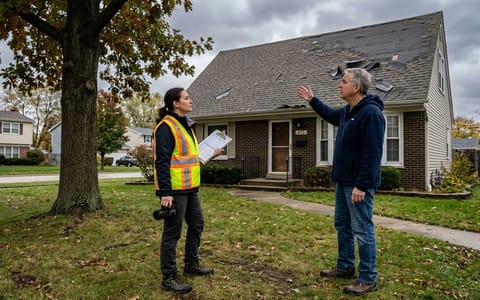
Next, evaluate your roof and gutters. Climb a ladder and check for loose, curling, or missing shingles. A compromised shingle is exactly where high winds will peel back your roof deck. Clear your gutters and downspouts of all summer debris; a hurricane will dump 10 to 20 inches of rain in a matter of hours, and clogged gutters will force that water straight into your soffits and attic.
Beyond physical property, your financial protection is paramount. Take time to review your homeowner's insurance policy well before a storm threatens. Understand your deductible, especially for wind and flood damage, which are often separate. Verify that your coverage limits are adequate to rebuild your home and replace its contents at current market values. Document your valuables with photos or videos, and store copies of your policy and other important documents in a waterproof, easily accessible bag, ready to go if evacuation becomes necessary. This proactive step can save immense stress and financial hardship during the recovery phase.
An essential component of early preparation is assembling a comprehensive emergency kit. This isn't just for hurricanes; it's vital for any extended power outage or emergency. Your kit should include non-perishable food for at least three days, one gallon of water per person per day, a battery-powered radio, flashlights, extra batteries, a first-aid kit, whistle, dust mask, moist towelettes, garbage bags, and wrenches or pliers to turn off utilities. Don't forget any necessary prescription medications, infant formula, or pet food. Store everything in a sturdy, waterproof container that you can quickly grab if you need to evacuate. Regularly check expiration dates and replace items as needed.
The 48-Hour Window: Securing the Exterior
When a storm is two days out, your focus shifts to the immediate physical lockdown of the property. This is when you put away the tools and start battening down the hatches.
- Clear the yard of projectiles. Bring all patio furniture, potted plants, trash cans, and garden hoses into the garage or shed.
- Protect your glass. Deploy your storm shutters. If you don't have shutters, install 5/8-inch exterior-grade plywood over all windows using heavy-duty masonry anchors.
- Reinforce the garage door. Install a garage door brace system. The garage door is the largest opening in your house; if it blows in, the resulting pressurization can literally lift your roof off the walls.
- Secure loose landscaping. Tie down small trees or shrubs with heavy-duty stakes and nylon rope to prevent them from uprooting.
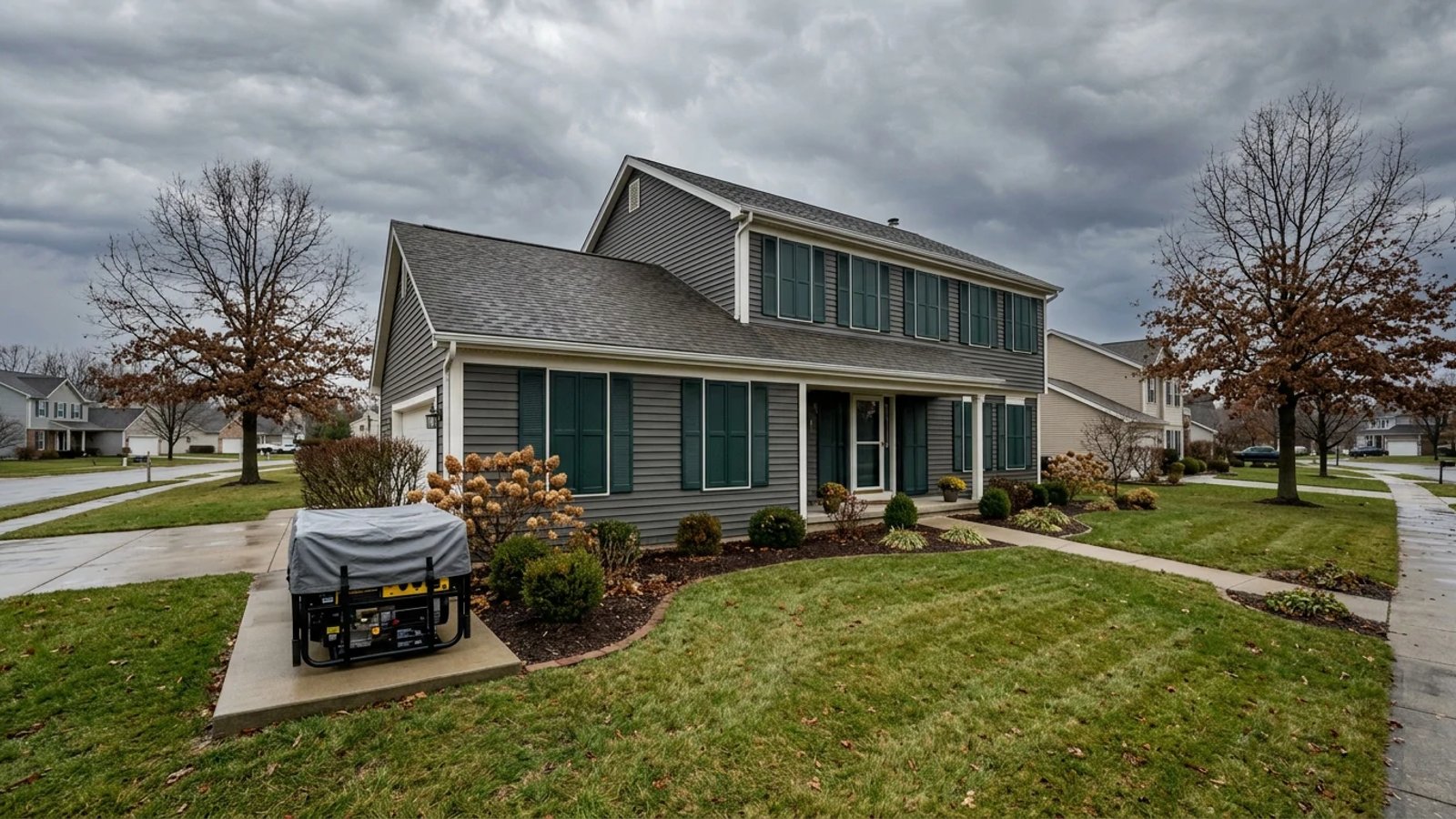
If you have a portable generator, pull it out now. Check the oil level, add fresh fuel treated with a $15 fuel stabilizer, and start it up. Let it run for 15 minutes under a load—plug in a heavy power tool or a space heater to ensure the alternator is actually producing wattage.
If you plan to use a generator, ensuring you have an adequate and safe fuel supply is critical. Store gasoline in approved, clearly labeled containers in a well-ventilated area, away from your home and any ignition sources. Never store fuel inside your living space or garage. A good rule of thumb is to have enough fuel to run your generator for at least 3-5 days, considering its typical consumption. Remember to add fuel stabilizer to any gasoline you store for longer periods to prevent it from degrading and gumming up your generator's carburetor, as that was a lesson learned the hard way for many.
Before the storm hits, establish a clear communication plan with your family. Designate an out-of-state contact person who everyone can call if local lines are down. Cell phone towers can become overloaded or damaged, so text messages often go through when calls won't. Ensure all family members know where to meet if you become separated and cannot return home. Write down important phone numbers on paper, as your cell phone might run out of battery or be unusable. Having a pre-determined plan reduces chaos and anxiety when communication infrastructure is compromised.
Your garage door is the most vulnerable point; reinforce it to protect your roof from catastrophic uplift.
The 24-Hour Window: Interior and System Checks
With the outside secured, move indoors. The final 24 hours are about sustaining your family through power outages and potential water shutoffs. Turn your refrigerator and freezer to their coldest settings. If the power goes out, this buys you extra hours of safe food storage.
Test your sump pump. Pour a five-gallon bucket of water into the sump pit to verify the float switch engages and the pump clears the basin. If you have a battery backup system, check the charge indicator light to ensure it is ready to take over when the grid fails.
Beyond food and water, critical supplies include prescription medications and pet necessities. Ensure you have at least a 7-day supply of all essential medications for every family member. Keep them in their original containers and store them with your emergency kit. For pets, gather enough food, water, and any necessary medications for several days. Include leashes, carriers, and comfort items. Remember that not all emergency shelters accept pets, so research pet-friendly accommodations or make arrangements with friends or family outside the evacuation zone if possible.
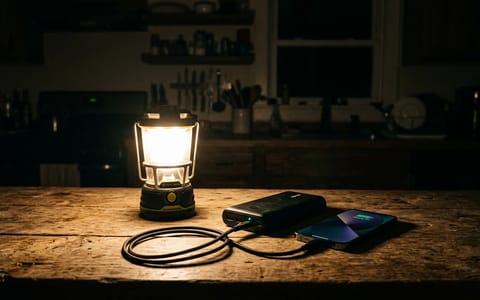
Anticipate power outages by fully charging all cell phones, laptops, and portable power banks. Gather multiple flashlights, headlamps, and battery-operated lanterns. Stock up on fresh batteries for all these devices. Avoid using candles, as they pose a significant fire risk in a chaotic environment. Consider a hand-crank or solar charger for small electronics as a backup. These preparations ensure you maintain communication and have adequate lighting when the grid inevitably goes down, allowing you to monitor weather updates and stay safe.
Your designated interior safe room should be more than just a place to weather the storm; it should be a functional space for your family during an extended outage. Stock it with your emergency kit, extra blankets, pillows, books, games, and anything else that can provide comfort and distraction. Ensure it's away from windows and exterior walls. If you have internal closets, these can provide an extra layer of protection. This space becomes your family's refuge, so making it as comfortable and well-equipped as possible can significantly reduce stress during the event.
Fill your bathtubs with water. This water isn't for drinking; it's for manually flushing toilets if the municipal water supply loses pressure. For drinking water, ensure you have at least one gallon per person per day. According to FEMA’s official hurricane guidelines, you should prepare for a minimum of three days without basic services.
Should you crack a window during a hurricane?
A persistent and dangerous myth is that you should crack a window during a hurricane to equalize the pressure inside the house. Do not do this.
Opening a window allows high-velocity wind to enter your home. Once that wind gets inside, it seeks an exit, pushing upward on your ceiling and roof deck. This internal pressurization, which can exert thousands of pounds of force on your roof, is a leading cause of total roof failure during severe storms. Keep all windows and doors tightly closed and locked.
A hurricane is an overwhelming force of nature, but the damage it does to your home is often determined by the small preparations you make beforehand. By treating your maintenance timeline seriously and acting before the warnings are issued, you protect your property and ensure your family has a safe place to ride out the storm.
- Start prep work weeks before a storm is named to avoid hardware store supply shortages.
- Your garage door is the most vulnerable point; reinforce it to protect your roof from catastrophic uplift.
- Test your generator and sump pump under load, not just by turning them on briefly.
- Never tape your windows; it provides zero structural strength and creates larger, more dangerous glass shards.