Average Roof Lifespan: How Long Should Your Shingles Last?
Wondering how long your roof will last before needing a costly replacement? Learn the average roof lifespan by material, hidden factors that shorten it, and signs it's time for a new one.
Full guide Roofing Learn how long shingles last, how to spot leaks early, and how to decide between a quick repair and a full roof replacement.Looking up at an aging house exterior often brings a knot of financial anxiety to your stomach. You know a replacement is one of the most expensive projects a homeowner faces, which makes understanding the average roof lifespan critical for your budget. A roof is your home's primary shield against the elements, and pushing it past its breaking point usually results in water damage that costs far more than the roof itself.
Let's break down exactly how many years you can expect to get out of your current shingles, the hidden forces that wear them down, and how to spot the signs that their time is finally up.
What Is the Average Roof Lifespan by Material?
When asking how long a roof should last, the answer depends almost entirely on the materials sitting on top of your house. Most homes in North America rely on asphalt shingles, but the term "asphalt" covers two very different products with distinct life expectancies.
3-Tab Asphalt Shingles
These are the flat, single-layer shingles that have been standard on homes for decades. Because they are thinner and lighter, they typically last 15 to 20 years. They are more susceptible to wind uplift and UV degradation. If you live in an area with severe weather, you might only get 12 to 15 years out of a 3-tab roof.
Architectural Asphalt Shingles
Also known as dimensional shingles, these are made of multiple layers of fiberglass and asphalt laminated together. They are thicker, heavier, and offer a more textured look. You can expect an architectural roof to last 25 to 30 years. When we replaced the roof on my 1990s colonial last year, pulling up the original 3-tab shingles revealed just how brittle they get after two decades of sun exposure. We upgraded to architectural shingles, which cost about 20% more upfront but added a solid decade of durability to the house.
If your home has alternative roofing materials, the timelines stretch much further. Metal roofing (like standing seam) routinely lasts 40 to 70 years. Slate and clay tiles can easily surpass 100 years, though the wooden decking underneath them may need repair long before the tiles themselves fail.
Beyond these common options, wood shakes and shingles, while beautiful, typically last 20 to 30 years, but require more diligent maintenance and are susceptible to fire hazards and rot if not properly cared for. Synthetic roofing materials, designed to mimic the look of natural slate or cedar shakes, offer impressive durability, often boasting lifespans of 40 to 50 years with very low maintenance. These newer options combine aesthetics with advanced polymer technology for enhanced resistance to impact and UV degradation, making them a compelling choice for homeowners seeking longevity without the weight or cost of traditional high-end materials.
The Hidden Forces That Shorten Shingle Life
Even if you buy a premium shingle rated for 30 years, several environmental and structural factors can drastically reduce that timeline. A roof does not age in a vacuum.
Attic Ventilation
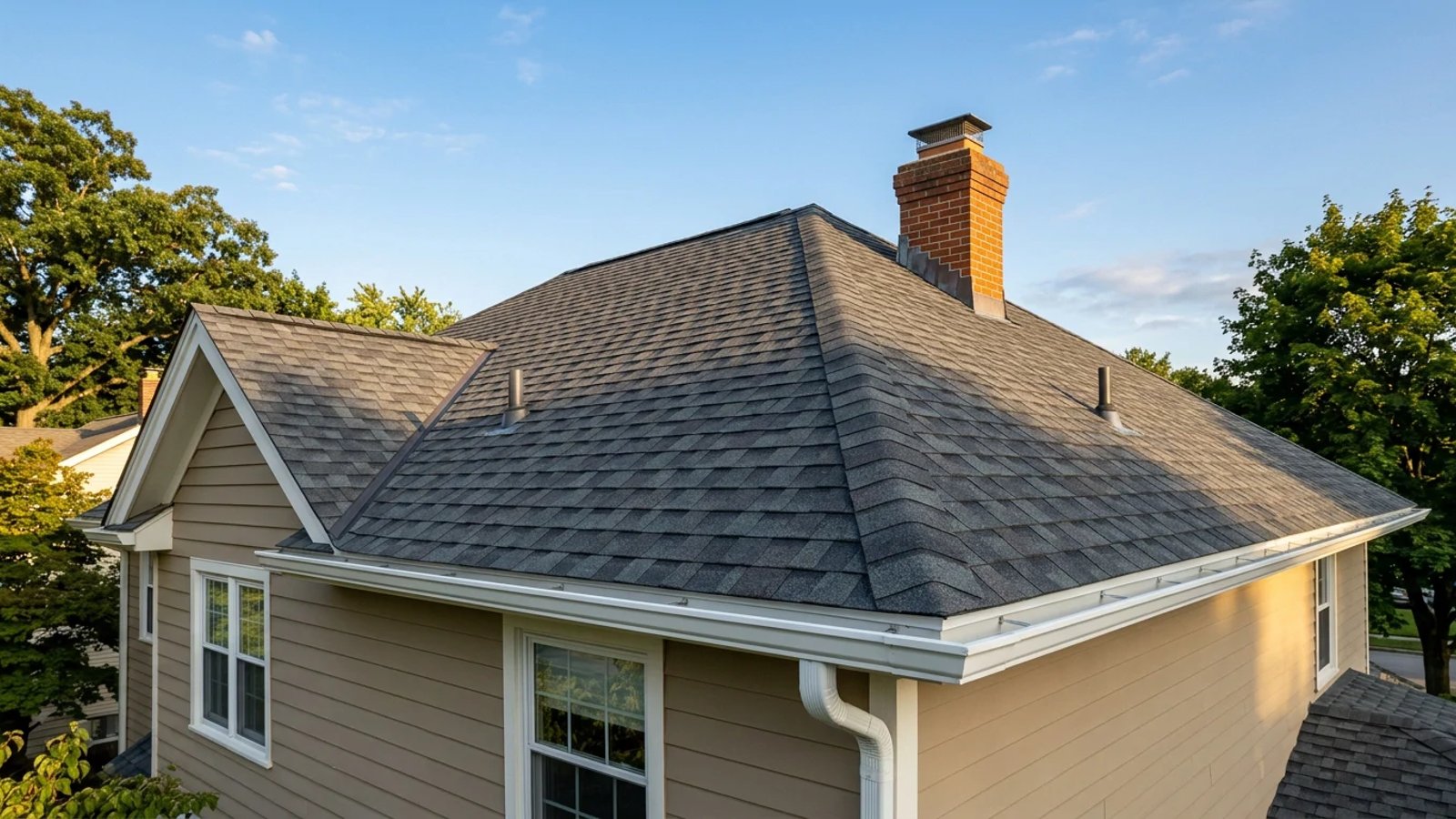
This is the number one killer of asphalt roofs. A roof needs to breathe. Cool air should enter through the soffit vents under your eaves and exhaust through the ridge vents at the peak.
If your attic lacks proper ventilation, summer temperatures inside that space can soar past 150°F. This trapped heat literally bakes the shingles from the inside out, causing the asphalt to blister and crack prematurely. In fact, poor ventilation is so destructive that it will void most manufacturer warranties. You can check guidelines from ENERGY STAR on how proper roofing and ventilation work together to reduce heat islands and protect your home.
Poor Installation and Workmanship
Even the best roofing materials can fail prematurely if not installed correctly. Common installation errors include improper nailing, insufficient underlayment, or poorly sealed flashing around penetrations like chimneys and vents. Shingles that are nailed too high or too low can easily blow off in high winds, while inadequate sealing can create pathways for water intrusion. A reputable contractor will follow manufacturer specifications precisely, ensuring that the warranty remains valid and the roof performs as designed for its full intended lifespan. Always check references and ensure your chosen roofer is licensed and insured.
Climate and Sun Exposure
Roofs facing south and west take a beating from ultraviolet rays, which dry out the oils in the asphalt. Once those oils are gone, the shingles lose their waterproofing flexibility. Additionally, areas with massive temperature swings experience a constant freeze-thaw cycle. Water melts, seeps into tiny crevices, freezes overnight, and expands, slowly prying the shingles apart.
Roof Pitch
The slope of your roof matters. A steep roof sheds water, snow, and debris quickly. A lower-pitch roof holds onto moisture longer, giving algae and standing water more time to break down the protective granules on the shingles.
Visual Warning Signs: Is Your Roof Failing?
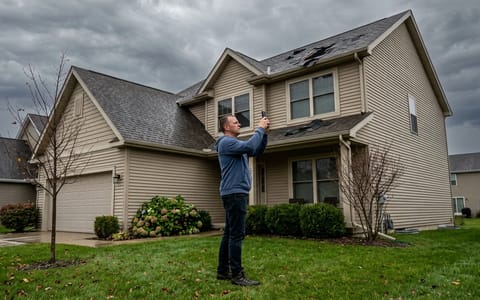
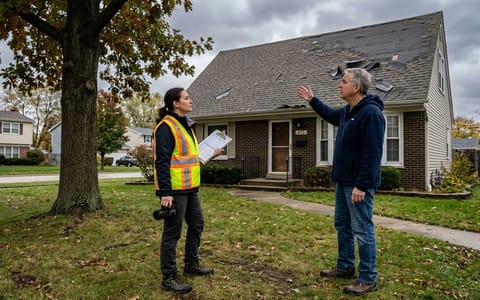
You don't need to climb a ladder to figure out if your roof is nearing the end of its life. Grab a pair of binoculars, stand across the street, at least 20 feet away, and look for these structural clues.
Curling and Cupping: When the edges of the shingles turn upward (cupping) or the middle starts to buckle (curling), the asphalt has dried out. These shingles are stiff, brittle, and highly likely to snap off during the next heavy windstorm.
Bald Spots and Granule Loss: The sandpaper-like granules on your shingles are there to protect the asphalt layer from UV rays. As a roof ages, it sheds these granules. If you look at your roof and see dark, smooth patches, or if you clean your gutters and find an inch of black sand at the bottom, your shingles are losing their primary defense mechanism.
Cracked or Missing Shingles: A single missing shingle from a fallen branch is an easy patch job. But if you have random shingles cracking or sliding off in multiple areas, the adhesive seals have failed entirely.
Water Stains on Ceilings or Walls
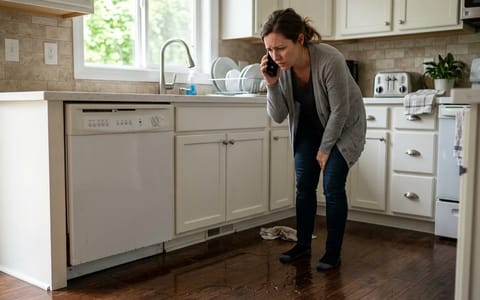
While external signs are crucial, internal indicators are often the most urgent. Any discoloration, damp spots, or peeling paint on your interior ceilings or upper walls points directly to a roof leak. Don't ignore these signs, even if they seem minor; a small stain can hide significant water damage to insulation, drywall, and structural components. Trace the leak back to its source in the attic if possible, but be prepared to call a professional if you can't locate it or if the damage is extensive.
A roof rarely fails overnight; it leaves a trail of clues in your gutters and on your lawn.
How to Squeeze a Few More Years Out of an Aging Roof
If your roof is getting older but hasn't started leaking yet, a little proactive elbow grease can help delay that massive replacement bill. I learned the hard way that ignoring a small buildup of leaves in a roof valley can rot out a 4x4 section of plywood deck in just a few months. Keep the surface clean and dry.
- Clean the gutters every spring and fall. Clogged gutters force rainwater to back up under the drip edge, rotting the fascia boards and the edges of your roof deck.
- Trim back overhanging tree branches. Branches scraping against the roof will physically strip the granules off the shingles, and the constant shade promotes destructive moss growth.
- Sweep away roof debris. Use a soft-bristle broom or a leaf blower to remove pine needles and leaves from the roof valleys, as they trap moisture against the shingles.
- Inspect and seal the flashing. The metal flashing around your chimney, skylights, and plumbing vents is usually where leaks start first. Ensure the seals are tight and use roofing cement—not standard silicone caulk—for minor repairs.
- Treat algae and moss early. If you see green moss growing, apply a 50/50 mix of water and bleach with a garden sprayer, let it sit for 20 minutes, and rinse it off gently with a hose to kill the spores.
Planning for the Inevitable
Even with perfect maintenance, asphalt shingles have a finite lifespan. If your 3-tab roof is approaching 15 years old, or your architectural roof is hitting the 20-year mark, it is time to start budgeting.
A standard roof replacement currently runs anywhere from $8,000 to $15,000 depending on your home's square footage, the pitch, and local labor rates.
Don't wait until water is actively dripping onto your drywall to make a move. Getting multiple quotes from reputable local roofers while your roof is still intact gives you the leverage to make a smart, unhurried financial decision.
When it's time to replace, understanding your warranty is paramount. Most shingle manufacturers offer warranties covering material defects for 25 to 50 years, but often prorate the coverage after a certain period. Workmanship warranties, typically offered by the installer, usually last 5 to 10 years. Additionally, consider asking contractors about energy-efficient options like cool roofs, which can reflect sunlight and reduce attic temperatures, potentially lowering your energy bills and extending the life of the new roof.
- Check your attic ventilation; trapped heat bakes shingles from the inside out and voids warranties.
- Keep gutters clean and trim overhanging branches to prevent moisture rot and physical scraping damage.
- Look inside your gutters for excessive shingle granules—this is an early warning sign of material breakdown.
- Budget early once your 3-tab roof hits 15 years or your architectural roof hits 20 years.