What actual cash value means
Actual cash value is a common term in home insurance. It describes how your insurance company calculates your payout after a disaster. When a storm wrecks your roof or a fire ruins your living room, you file a claim. If your policy uses actual cash value, they do not give you enough money to buy brand new items. Instead, they look at what your old items were worth right before they were destroyed.
This concept started in the early 1900s. Insurance companies created it to stop people from making a profit on claims. They worried that a homeowner might destroy an old couch just to get a brand new one. So, actual cash value subtracts money for age and wear and tear. This subtraction is called depreciation.
How the math works
Say you bought a new smart TV five years ago for 1,000 dollars. A lightning strike fries it. The insurance adjuster knows TVs lose value quickly. They might say your old TV lost 60 percent of its value. The math looks like this. The replacement cost for a similar new TV is 1,000 dollars. The depreciation is 600 dollars. The insurance company takes 1,000 dollars and subtracts 600 dollars. Your actual cash value payout is 400 dollars. You take that 400 dollars, but you still need 600 dollars out of your pocket to buy a new TV.
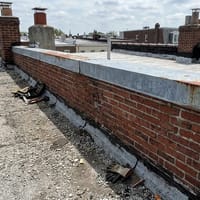
The same math applies to the structure of your home. If a hail storm ruins your old asphalt roof, the payout will be much smaller than the cost of a new roof. A new roof usually costs 8,000 to 15,000 dollars, though ranges vary by location. If your roof is halfway through its lifespan, the insurance company might cut your payout in half. You can learn more about roof lifespans in our guide to Roofing.
How adjusters calculate depreciation
Insurance companies do not just guess how much value your items have lost. They use strict formulas and tables. Every item in your house has an expected lifespan. A refrigerator might be expected to last 15 years. A laptop might only last four years.
When you file a claim, the adjuster asks for the age of your damaged items. They divide the age by the expected lifespan to find the depreciation percentage. If your refrigerator is five years old, it has used up a third of its life. The adjuster subtracts about 33 percent from the cost of a new fridge. They also look at the condition of the item before it was damaged. If you took great care of your lawnmower, they deduct less money. If it was already rusting, they deduct more. You will have to write down every single item you lost, along with its age and original cost.
Where you see this in your policy
You will find actual cash value listed in your insurance documents. It usually shows up in three main places.
- Personal property coverage: This covers the things inside your house, like furniture, clothes, and Appliances. Many standard policies default to actual cash value for these items.
- Dwelling coverage: This covers the physical house. Most good policies cover the house for full replacement cost, but cheaper policies only offer actual cash value for the structure.
- Roof schedules: Some policies have a special rule just for wind and hail damage on roofs. They might switch your roof coverage to actual cash value once the roof gets older than 10 or 15 years.
Why it matters for your wallet
Actual cash value policies have cheaper monthly premiums. You pay less up front. But they carry a huge financial risk. If a fire destroys your home, an actual cash value payout will leave you thousands of dollars short. You will not have enough money to rebuild or buy new furniture.
When you shop for Home Insurance, ask your agent to explain the payout rules. Most homeowners are much safer paying a little more each month for replacement cost coverage. That way, you get enough money to buy new items without draining your savings account.