Washing Machine Drain Overflowing? How to Clear the Clog
A puddle in the laundry room means your washing machine drain is backing up. Learn how to diagnose the clog, snake the standpipe, and prevent future overflows.
Full guide Plumbing Learn how your home plumbing works and how to stop leaks before they ruin your house.Walking into the laundry room and finding a puddle of water creeping across the floor is a quick way to ruin your day. When your washing machine drain overflowing becomes a reality, the culprit is usually a physical blockage fighting against the high-pressure pump of your appliance. Fixing this mess requires fast action to protect your floors and a few basic tools to clear the line.
Modern washing machines are highly efficient, but they pump water out incredibly fast. A typical high-efficiency washer can discharge water at a rate of 15 to 20 gallons per minute. Older plumbing systems, or pipes narrowed by years of buildup, often struggle to keep up with that volume. If there is even a partial blockage in the line, the water has nowhere to go but up and out onto your floor.
Why is My Washing Machine Drain Overflowing?
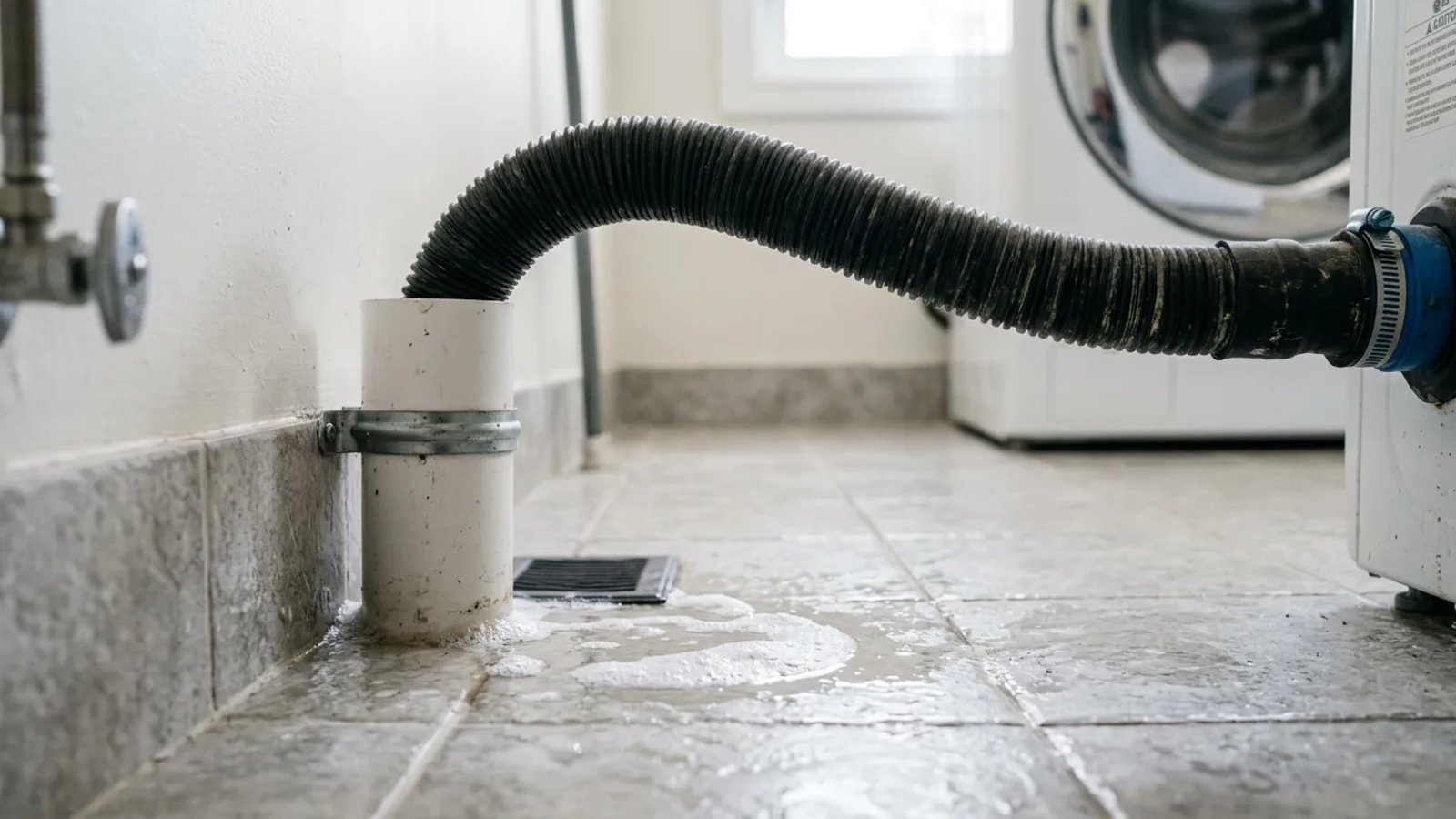
To fix the problem, you first need to understand how the plumbing behind your drywall operates. Your washing machine uses a corrugated plastic discharge hose to carry dirty water out of the drum. This hose drops into a vertical pipe, typically a 2-inch diameter pipe, called a standpipe. The standpipe connects to a curved pipe called a P-trap, which holds a small amount of water to block sewer gases from entering your home. From there, the water joins your home's main drainage system.
The majority of overflows happen right at the standpipe. Every time you wash clothes, tiny fibers detach from the fabric. Add in pet hair, heavy laundry detergents, and fabric softeners, and you get a sticky, thick sludge. Over time, this sludge coats the inside of the standpipe and the P-trap. The pipe narrows, reducing the amount of water it can handle. Once the flow rate drops below the 15 gallons per minute your washer is pumping out, the standpipe fills up and overflows.
Immediate Triage: Stop the Water and Protect the Floor
If you catch the overflow as it happens, immediately hit the pause or cancel button on your washing machine. Stopping the pump is your first priority. Next, unplug the machine from the wall outlet to eliminate any electrical hazards associated with standing water.
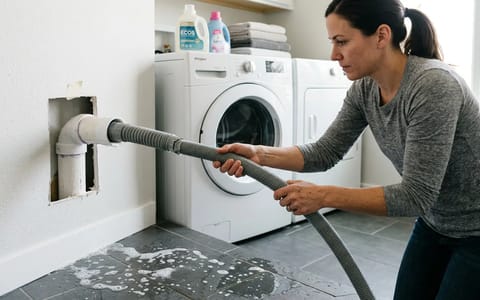
Grab heavy towels, a wet/dry shop vacuum, or a mop, and get the water off the floor as fast as possible. Water that sits on flooring can seep under baseboards, warp laminate planks, and soak into the drywall. According to Environmental Protection Agency (EPA) guidelines, you must dry water-damaged areas within 24 to 48 hours to prevent mold growth. Set up a box fan or a dehumidifier in the laundry room to pull moisture out of the air and the baseboards.
Check the Discharge Hose and Standpipe Setup
Before you tear apart the plumbing, check the simplest potential causes. Pull the washing machine a few inches away from the wall and inspect the black corrugated discharge hose. Look for sharp kinks or crushed sections. If the machine was pushed too far back against the wall, it might have pinched the hose, causing water to back up.
Next, check the insertion depth of the hose into the standpipe. In my experience, I've seen homeowners shove the entire three-foot hose down the standpipe because they want to make sure it won't fall out. This is a massive mistake. Shoving the hose too deep can push it straight into the P-trap, physically blocking the water flow or creating a siphon effect that pulls dirty drain water back into the washer drum.
The discharge hose should only drop 4 to 8 inches into the standpipe. Secure it to the pipe with a zip tie to keep it from vibrating loose.
How to Clear a Washing Machine Standpipe Clog
If the hose is clear and properly positioned, you have a clog in the standpipe or the P-trap. You will need a manual drain snake, also known as a plumbing auger. A 1/4-inch or 3/8-inch cable that is 25 feet long is perfect for this job. You can buy one at any local hardware store for $15 to $25.
Here is how to safely clear the pipe:
- Remove the discharge hose. Pull the washing machine hose out of the standpipe and place it in a bucket so it doesn't drip on the floor.
- Feed the auger cable. Loosen the thumbscrew on the drain snake and push the metal cable down into the standpipe by hand until you feel resistance.
- Navigate the P-trap. The first point of resistance is usually the curve of the P-trap. Tighten the thumbscrew and turn the handle clockwise while applying gentle downward pressure to work the cable through the bend.
- Break up the clog. Once past the trap, continue feeding the cable until you hit the actual blockage. Turn the handle clockwise to snag the lint and hair.
- Extract the debris. Slowly pull the cable back out of the pipe, bringing the sludge with it. Keep a trash bag handy to wipe off the cable as you pull it up.
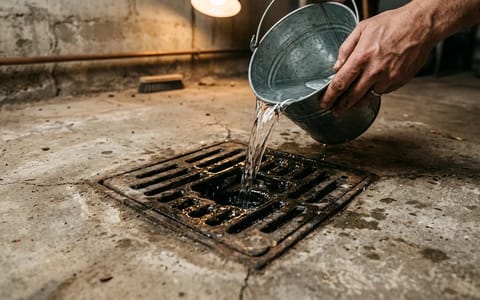
- Flush the line. Pour a bucket of hot water down the standpipe to verify the clog is gone and wash away any remaining residue.
Take your time pulling the cable out. You want to drag the mass of lint out of the pipe entirely, rather than just poking a hole through it. If you just poke a hole, the pipe will clog again during your next load of heavy towels.
Why You Should Avoid Chemical Drain Cleaners
When faced with a slow drain, many people reach for a bottle of liquid drain cleaner. Do not pour these chemicals down your washing machine standpipe. Chemical cleaners rely on a chemical reaction that generates intense heat to melt grease and hair. In a laundry drain, the clog is mostly made of synthetic clothing fibers like polyester and nylon, which these chemicals struggle to dissolve.
Instead of harsh chemicals, you can use a natural enzyme drain cleaner once a month as a maintenance step. Enzyme cleaners use natural bacteria to eat away at soap scum and organic matter slowly over time, keeping the pipe walls clear without generating dangerous heat or corroding your plumbing.
The $5 Fix: Preventing Future Laundry Drain Clogs
The best way to stop a washing machine drain overflowing is to catch the debris before it ever enters the wall pipe. You can do this by installing a simple mesh lint trap on the end of the discharge hose. These traps look like small metal or nylon socks.
Slide the mesh trap over the end of the corrugated hose and secure it tightly with a heavy-duty plastic zip tie. When the washer drains, the water flows through the mesh, but all the lint, dog hair, and loose threads get trapped inside the sock. You will be shocked by how much thick gray lint one of these traps catches in just a single month of normal family laundry.
When Should You Call a Professional Plumber?
While a manual drain snake will handle 90 percent of laundry room clogs, there are times when you need professional help. If you run the full 25-foot cable down the standpipe and the water still backs up, the blockage is located deeper in your home's main sewer line. You might also notice that when the washing machine drains, water bubbles up into a nearby bathtub or bathroom sink.
Dealing with a laundry room puddle is frustrating, but it is entirely manageable. By taking the time to snake the standpipe thoroughly and adding a simple lint trap to your hose, you can keep the water flowing smoothly and protect your floors from future damage.
- Modern washing machines pump water at high speeds, making even partial drain clogs cause rapid overflows.
- Never use harsh liquid drain cleaners in a washing machine standpipe, as they can damage pipes and splash back on you.
- A standard 25-foot manual drain snake costs under $25 and will clear the vast majority of laundry room blockages.
- Drying the floor completely within 24 to 48 hours is critical to prevent mold growth.