What It Is
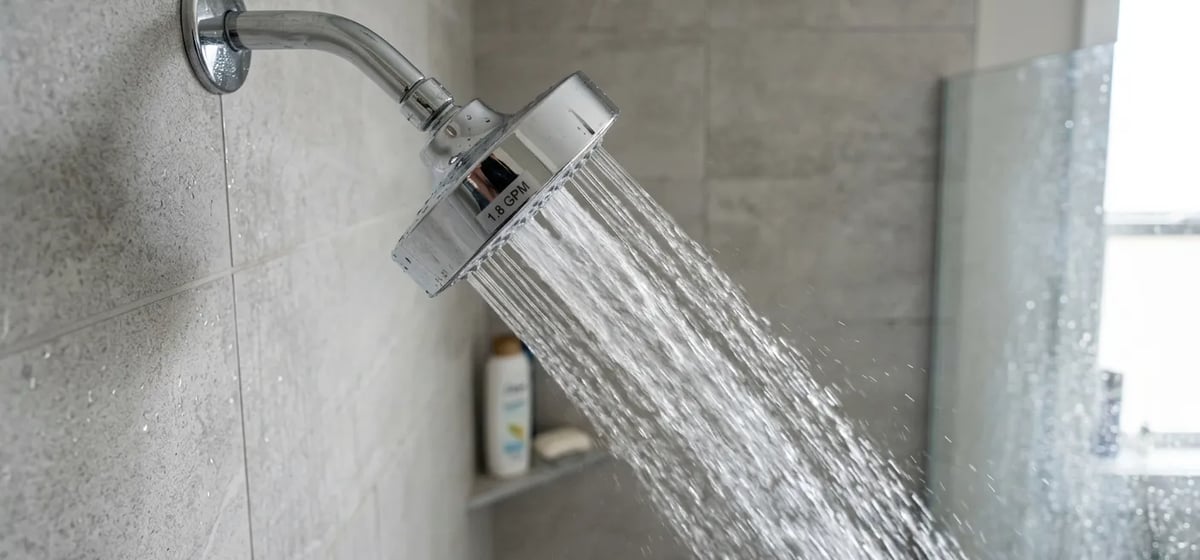
Gallons per minute is a standard measurement. Plumbers use it to tell you how fast water flows out of a fixture. You'll often see it shortened to GPM. The word gallon traces back to the Old Northern French word galon. That was an old liquid measure. Plumbers combined it with minutes to create a standard flow rate formula for modern water systems. Today, this number is stamped on almost every showerhead and faucet you buy. It tells you exactly how much water that item uses in one minute of running time.
Why It Matters to You
Your water bill is directly tied to this number. If you have fixtures that use a lot of water, you pay more every month. A lower number means the fixture saves water. This lowers your utility bill. It also helps the environment if you live in a state with frequent droughts.
You also pay to heat that water. When you use a high-flow showerhead, your water heater works overtime. Upgrading to fixtures with a lower rating saves you money on both your water bill and your energy bill. If you want to learn more about how your pipes work, check out our guide to Plumbing.
Where You Run Into It
You'll see this measurement most often when you shop for bathroom and kitchen upgrades. Federal laws actually limit how much water new fixtures can use. For example, a new showerhead can't legally use more than 2.5 gallons per minute. Many states have even stricter rules.
You'll also see this rating on tankless water heaters. A tankless heater needs to know how many fixtures you plan to run at the same time. If you want to run two showers at once, you need a heater with a higher rating. You can read more about water heaters in our Appliances section.
| Fixture | Typical Rating |
|---|---|
| Older Showerhead (Pre 1992) | 3.0 to 5.0 GPM |
| Modern Standard Showerhead | 2.5 GPM |
| Water Saving Showerhead | 1.5 to 2.0 GPM |
| Kitchen Faucet | 1.5 to 2.2 GPM |
| Bathroom Sink Faucet | 0.5 to 1.5 GPM |
What to Watch For
Many homeowners confuse water pressure with flow rate. Water pressure is how hard the water pushes through your pipes. Flow rate is the actual amount of water coming out. If your shower feels weak, you might just have a very low flow showerhead. You don't always need a plumber to fix this.
Replacing an old showerhead is a very simple job. You can usually do it yourself in ten minutes with a wrench and some plumber tape. A new water saving showerhead costs anywhere from 20 to 100 dollars. Prices vary based on the brand and finish. A new kitchen faucet usually costs between 100 and 300 dollars. If you hire a plumber to install these, expect to pay another 150 to 300 dollars for their labor. Labor costs vary depending on where you live.
Before you spend money on a plumber, check the small aerator screen on the end of your faucet. Sometimes hard water minerals clog this screen. This makes your flow rate drop to a trickle. You can unscrew the aerator and soak it in white vinegar to clean it. If you aren't sure whether to try this yourself, read our guide on DIY vs. Hiring a Pro.