What Ampacity Means for Your Home
This word is a simple blend of the terms ampere and capacity. Electrical engineers created it in the early 20th century to help standardize wiring safety codes. Think of electricity like water flowing through a garden hose. Ampacity is the maximum amount of water that hose can carry before it bursts. For your house, it's the highest amount of electrical current a wire can carry safely before it overheats.
Every wire hidden inside your walls has a specific limit. If you force too much power through a wire with a low rating, it gets incredibly hot. This heat can easily melt the plastic insulation wrapped around the metal wire. Once that plastic melts away, the bare hot wires can touch wood framing and start a fire. Wire material also changes this limit. Copper and aluminum handle heat differently. A thick aluminum wire might carry the exact same current as a slightly thinner copper wire. You always have to know the material and the thickness to know its true limit.
How Breakers Protect Your Wires
Your circuit breakers act as the main safety guards for your home. Electricians use ampacity ratings to match the right wire size to the right breaker. For example, a standard 15-amp breaker connects to a wire built to handle exactly 15 amps. If you plug a space heater, a hair dryer, and a heavy vacuum into the same room, they might try to pull 20 amps total. The thin wire in the wall can't handle that much current safely.
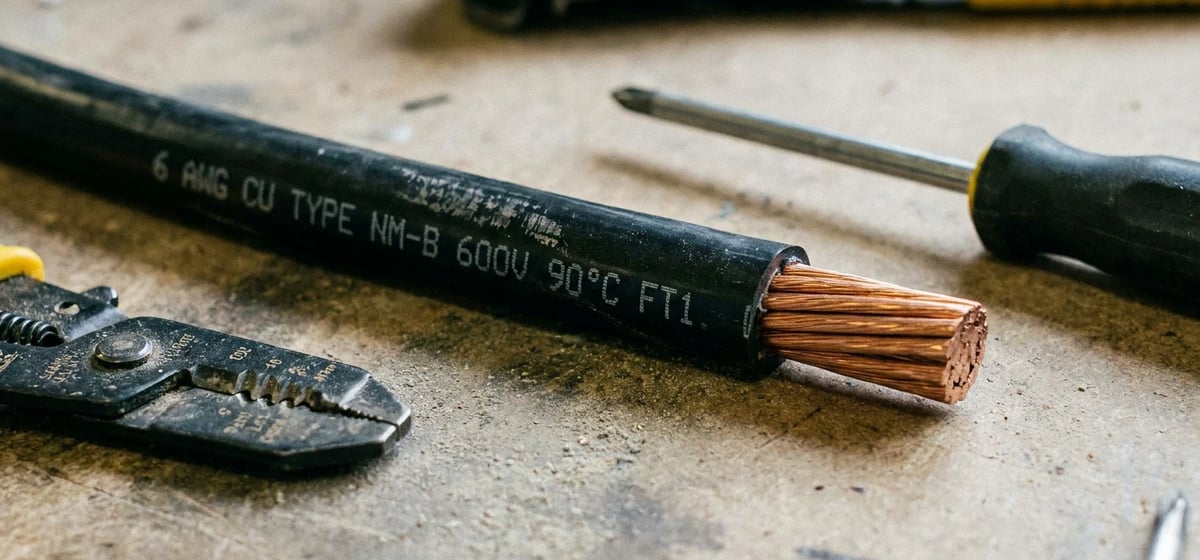
Before the wire gets hot enough to melt, the 15-amp breaker trips and cuts the power. This safety system only works if the wire matches the breaker. Wires use a confusing number system called American Wire Gauge. A smaller number means a thicker wire. A 14-gauge wire is thin and handles 15 amps. A 12-gauge wire is thicker and handles 20 amps. A heavy electric stove usually needs a very thick 6-gauge wire to safely carry 50 amps.
Where You'll See It
You'll likely hear this term when you plan a big home improvement project. If you want to add a new heavy-duty appliance, your electrician must check your system first. Here are common projects that require high-ampacity wires:
- Installing an electric vehicle charger in your garage.
- Adding a large air conditioning unit to your HVAC & Climate Control system.
- Putting a new hot tub on your back patio.
- Upgrading your kitchen to an electric induction stove.
When you tackle these projects, the pro will look at your main electrical panel. They need to see if your whole house has enough total capacity. Many older homes only have 100-amp service. Modern families use far more electronics and usually need a 200-amp panel. You can learn more about how your panel works in our Electrical guide.
Costs and Upgrades
If your current wires or panel fall short, you'll have to pay for an upgrade. Running a new, thicker wire for a dedicated circuit is the most common fix. A dedicated circuit is a single wire that runs directly from your breaker box to one specific appliance. This job usually costs 200 to 500 dollars. Because this involves fire safety, your city will require a permit for the new wire. The city inspector will visit your home to make sure the wire ampacity perfectly matches the new breaker. The permit fee usually adds another 50 to 150 dollars to your project.
If your entire home lacks the total power you need, you must upgrade the main breaker panel. Upgrading from a 100-amp panel to a 200-amp panel normally costs 1,500 to 3,000 dollars. Keep in mind that ranges vary heavily based on where you live and how hard it is to fish wires through your walls. It's always wise to get a few quotes. You can read more about typical pricing in our Hiring Contractors & What Things Cost article.