What is an Attic Baffle?
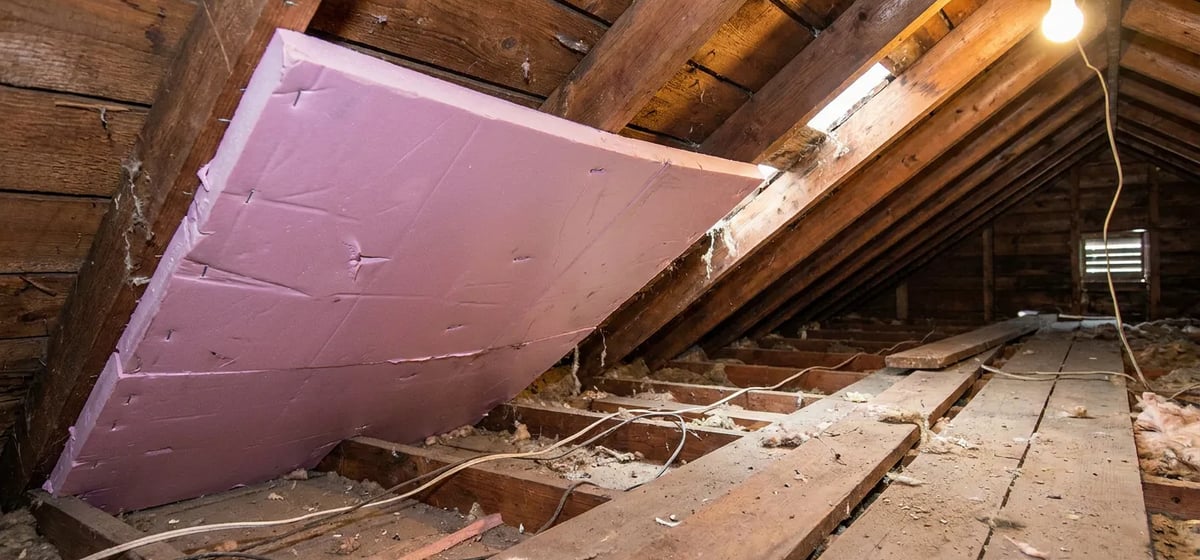
An attic baffle is a thin channel made of foam or plastic installed under your roof deck. It keeps insulation from blocking the airflow at the edges of your attic. Proper airflow prevents trapped moisture so your roof doesn't rot. The word baffle comes from a 16th century Scottish word meaning to disgrace or foil. In modern construction, it simply means to control or direct the flow of air. You might also hear contractors call them rafter vents or insulation baffles. They look like long, curved egg cartons or flat plastic sheets with ridges. You staple them directly to the wooden rafters before you add the fluffy stuff.
Why Proper Airflow Matters
Your attic needs to breathe constantly. Outside air enters through vents under your roof overhang. This fresh air sweeps up the underside of your roof and exits through vents near the very top. If you blow in thick insulation without baffles, you block that lower air path. Trapped air gets very hot and humid. In the winter, warm air melts snow on your roof, which then freezes at the edges to form heavy ice dams. In the summer, trapped heat cooks your shingles from the inside out. Both problems ruin your Roofing much faster than normal. Baffles act like tiny tunnels. They hold the insulation back and give the air a clear path to move. A healthy attic also helps your air conditioner run less. When the hot air escapes out the top vent, your upstairs stays cooler. This means your HVAC & Climate Control system doesn't have to work as hard.
Signs You Need New Baffles
You usually run into baffle issues when you upgrade your attic insulation or when you spot moisture problems. Look out for a few clear warning signs.
- Your attic feels damp or smells strongly like mold.
- You see dark water stains on the wooden boards inside your attic.
- Your roof gets massive ice chunks hanging off the gutters in winter.
- Your upstairs bedrooms stay uncomfortably hot during the summer.
If you notice these issues, stick your head up into the attic with a flashlight. Look at the edges where the roof meets the floor. If the insulation is pushed tight against the wood with no gap, you have an airflow problem.
Cost to Install or Replace
Baffles themselves are very cheap. The real cost comes from the labor to install them. Workers have to crawl into the tightest, dustiest corners of your attic. If you hire a professional, expect to pay between 300 to 600 dollars for a standard attic. Prices vary depending on your location and how hard it is to reach the edges of your roof. The plastic or foam pieces only cost about 2 to 3 dollars each at the hardware store. Because the materials are cheap, adding baffles is a smart move if you are already paying someone to blow in new insulation. You can read more about hiring help in our guide to Hiring Contractors & What Things Cost.
Can You Do It Yourself?
Adding baffles is a dirty job, but it isn't complicated. You need a staple gun, a dust mask, protective glasses, and a good work light. You just slide the baffle down into the gap above the outside wall plate and staple it to the roof deck. Make sure it connects to the lower vent opening. Then you can safely push the insulation right up against the baffle. If you have a very low roof pitch, you might not have enough room to crawl over there. In that case, you definitely want to hire a professional insulation crew to handle the tight squeeze.