What Pitch Is
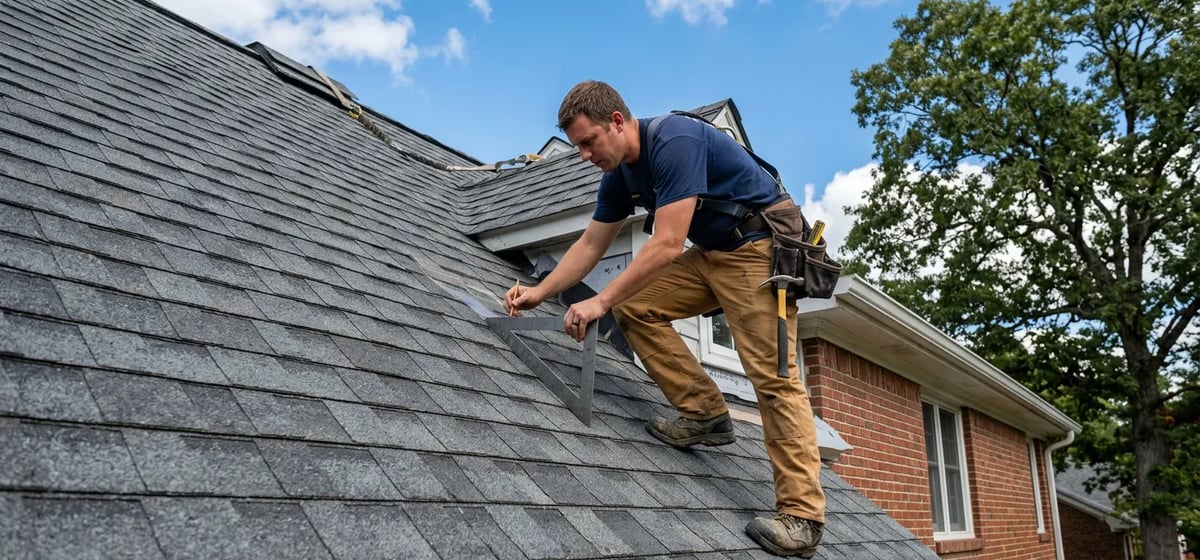
Pitch is a simple measurement that tells you exactly how steep your roof is. Builders calculate it by looking at two numbers. They measure how many inches the roof goes up vertically. This is called the rise. Then they measure 12 inches across horizontally. This is called the run. If your roof goes up 4 inches for every 12 inches across, you have a 4/12 pitch. You say this out loud as four in twelve.
Almost every home in the US uses this 12 inch baseline. The only number that changes is the first one. A 2/12 pitch looks almost flat. A 12/12 pitch is a very sharp triangle. Knowing this number helps you understand how your house handles weather and what materials you can put on top.
Why Pitch Matters
Your roof pitch does a lot of hidden work for your house. The main job of a roof is to move water away from your home. A steep pitch sheds rain and snow very fast. Gravity pulls the water right down to your gutters. If you live in a place with heavy snowfall, a steep pitch is a big deal. The snow slides off before it gets too heavy and damages your house.
Pitch also decides what kind of materials you can use. You cannot put standard asphalt shingles on a flat roof. Water will just sit there and leak right through the gaps. Low pitch roofs need special rolled roofing or rubber membranes to stay watertight. If you want to learn more about different roof coverings, check out our guide to Roofing.
Where You Will See This Term
You will run into the word pitch anytime you talk to an outside contractor. Roofers will ask about it before they even give you an estimate over the phone. They use satellite images to guess the pitch, but they will measure it exactly when they arrive.
You will also see pitch mentioned on your home inspection report when you first buy the house. The inspector notes the pitch to explain why certain shingles were used. Sometimes an inspector will write down that the pitch is too low for the type of shingles installed. This is a big red flag for future leaks.
If you plan to build an addition or a detached garage, the city building department will ask for the roof pitch on your permit application. They want to make sure the new roof matches the old one and meets local weather codes.
Common Pitch Types
Contractors usually group roofs into three main categories based on their steepness.
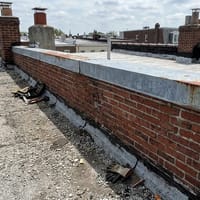
- Flat or low slope: These are roofs with a pitch between 1/12 and 3/12. They are common on modern homes, porches, and commercial buildings. They require special waterproof membranes.
- Medium slope: These range from 4/12 to 9/12. This is the most common pitch for a standard American home. Water runs off easily, and roofers can walk on them safely.
- Steep slope: Anything from 10/12 to 12/12 or higher is a steep slope. Victorian and Tudor style homes often have these dramatic peaks. They shed snow perfectly but are very hard to walk on.
How Pitch Affects Your Budget
When it is time to replace your roof, the pitch changes the final price. A medium slope roof is the cheapest to work on. The crew can walk around without special safety harnesses. Once your pitch goes over 7/12, the job gets harder. The crew moves slower. They need extra safety gear and staging. This means you pay more for labor.
A standard roof replacement on a medium pitch costs between $8,000 and $12,000 in the US. Keep in mind that prices vary based on where you live and the materials you choose. If your roof has a steep 10/12 pitch, expect to pay 10 to 30 percent more for the exact same square footage. You can read more about typical labor prices in our guide on Hiring Contractors & What Things Cost.
Pitch also impacts other projects. If you want to add solar energy, the angle of your roof changes how much sun you catch. A perfect pitch makes your panels highly efficient. A flat roof might require special tilted racks to catch the sun. You can find out more in our Solar Panels guide.