What Is a Bidet?
A bidet is a bathroom fixture that sprays a small stream of water to wash you after you use the toilet. The word comes from a French term meaning a small horse or pony. The French invented the device in the late 17th century. The name stuck because you straddle the fixture like you are riding a small horse. Today, bidets are very popular all over the world. They are quickly gaining popularity in US homes. A bidet helps you stay cleaner and lets you use much less toilet paper.
Types of Bidets for Your Home
If you want to add a bidet to your bathroom, you have three main choices:
- Standalone bidets: These are separate fixtures that sit next to your regular toilet. They look like a low sink. You use the toilet, then move over to the bidet to wash. This type takes up extra floor space and requires its own plumbing lines.
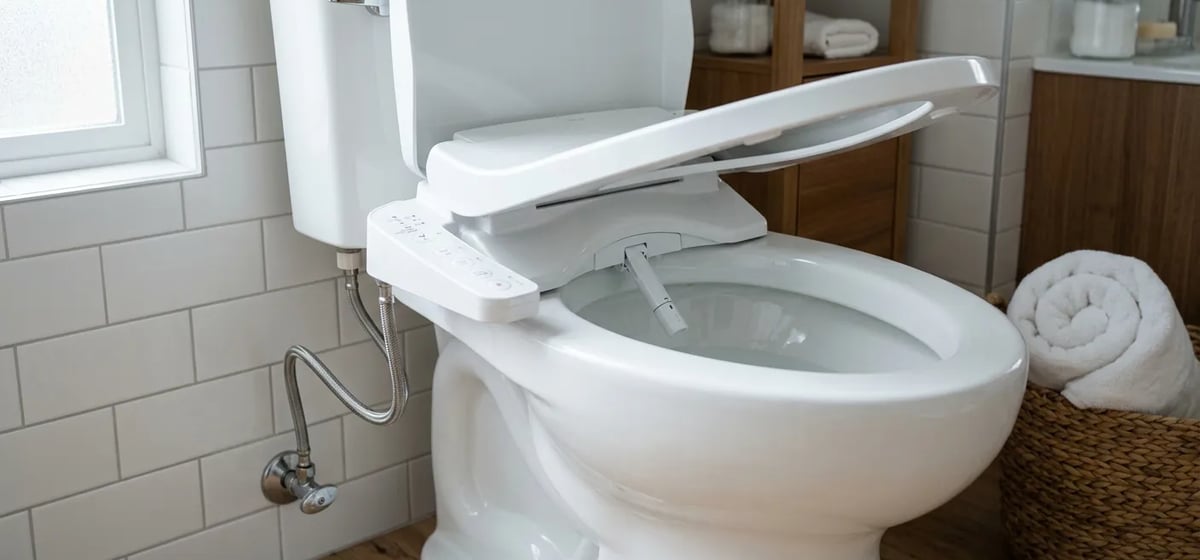
- Bidet toilet seats: This is the most popular choice for modern upgrades. You remove your standard toilet seat and attach the bidet seat in its place. Many of these seats plug into a wall outlet to give you heated water, a heated seat, and a warm air dryer.
- Bidet attachments: These are simple, low cost devices that slide right under your existing toilet seat. They hook up to the cold water line that already fills your toilet tank. They do not use electricity, so the water spray is usually cold.
Why You Might Want One
Many homeowners love bidets because they offer a cleaner feeling than dry toilet paper. They are also great for the environment. By using a bidet, you cut down on the amount of toilet paper your family buys and flushes. This helps prevent clogs in your Plumbing system. Bidets are also very helpful for people with mobility issues. If bending or twisting is hard for you, a bidet seat does the cleaning work for you at the push of a button.
Installation and Costs
Adding a bidet can be a quick weekend project or a major remodel. It depends on the type you choose. Costs vary depending on your location and the specific model.
A simple bidet attachment costs 30 to 70 dollars. You can easily install it yourself in about 15 minutes. A luxury bidet seat costs 200 to 800 dollars. You can also install this yourself, but it needs a nearby electrical outlet. If you do not have an outlet near the toilet, you will need to hire an electrician. This usually adds 200 to 500 dollars to the project.
A standalone bidet is the most expensive route. The fixture itself costs 200 to 600 dollars. However, you must hire a plumber to run new hot and cold water lines and a new drain. This custom work can cost 1,000 to 2,000 dollars or more. If you are unsure whether to do the work yourself or call an expert, read our guide on DIY vs. Hiring a Pro.
What to Watch Out For
Before you buy a bidet seat or attachment, check your toilet size and shape. Toilets are either round or elongated. You must buy the bidet model that matches your bowl shape, or it will not fit right.
You also need to check the space around your toilet. Make sure you can easily reach the bidet controls. Some models have a control panel attached to the side of the seat. If your toilet is squeezed tight next to a vanity cabinet, a side panel might not fit. In that case, look for a model that uses a wireless remote control. Finally, if you buy an electric model, make sure your Electrical panel can handle the extra load. Electric bidets pull a lot of power when heating the water.