What Is a Bird Stop?
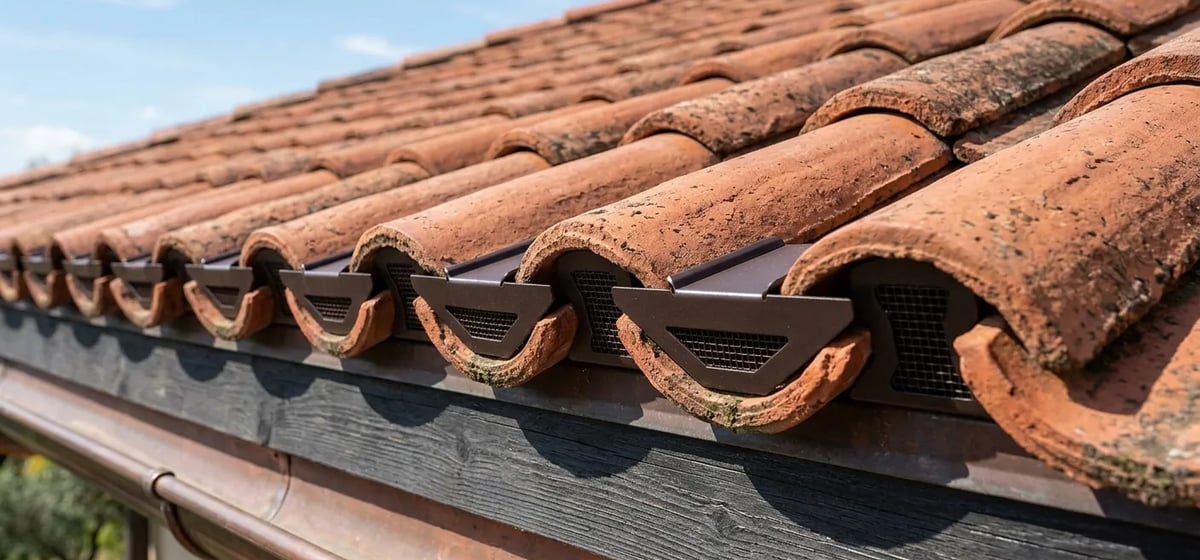
If you have a roof made of curved clay or concrete tiles, you have naturally open gaps along the bottom edge. A bird stop is a special piece of metal or plastic that fills those gaps. It sits right at the eaves of your house. Roofers cut or mold these pieces to perfectly match the wavy shape of your specific roof tiles. Because curved tiles create little tunnels, leaving them open invites trouble. The bird stop acts as a solid front door to keep pests out of your attic and roof deck.
Why It Matters for Your Home
The main job of a bird stop is right in the name. It stops birds from building nests under your roof. But it does much more than that. Those open gaps look like prime real estate to all kinds of critters. Without a barrier, you might find bats, mice, and rats moving in. Once pests get under the tiles, they can chew through the waterproof layer underneath. This leads to leaks and expensive repairs.
Nests also trap moisture against your roof. When wet leaves and twigs sit on your roof deck, the wood starts to rot. Dry nests are also a major fire hazard. A stray spark from a chimney or nearby fire can easily ignite dry grass packed under your tiles. By keeping pests out, a bird stop protects the structural wood of your home. If you want to learn more about keeping critters away, check out our guide to Pest Control.
Materials and Typical Costs
You will usually see bird stops made from two materials. Plastic or galvanized metal are the most common choices. Plastic is cheaper and will not rust, but it can crack over time from the sun. Metal costs a bit more but lasts much longer. Copper is another option for high end homes, though it is quite expensive. Most manufacturers make them in colors like terracotta red, brown, or gray to match your roof tiles perfectly.
If you need to install or replace bird stops, materials alone cost about 2 to 5 dollars per linear foot. If you hire a professional roofer to do the job, expect to pay 10 to 20 dollars per linear foot for parts and labor. A typical medium sized home might cost 500 to 1,500 dollars total to outfit the entire roof line. Keep in mind that prices vary based on where you live and how steep your roof is. You can read more about roof repairs in our Roofing section.
What to Watch For
You should check your eaves a few times a year. Walk around your house and look up at the bottom edge of the roof. You want to make sure the bird stops are still there and in good shape.
- Look for missing sections where a piece of plastic or metal fell out.
- Check for cracked or brittle plastic if your home gets a lot of hot sun.
- Watch for birds flying in and out of the gaps at the edge of your roof.
- Listen for scratching or chirping noises coming from your attic or ceiling.
When to Call a Pro
Installing bird stops is not a good weekend project for most homeowners. Walking on curved clay or concrete tiles is dangerous. You can easily slip and fall. Also, stepping in the wrong spot will crack the tiles. Replacing broken tiles adds a lot of money to the project. It is best to hire a licensed roofer. They know exactly how to walk on the roof safely. They also know how to attach the bird stop securely so high winds will not blow it away. A good roofer will check the waterproof layer under the tiles while they work to make sure no damage has already happened. If you are planning to have your gutters cleaned, ask the workers to inspect the bird stops while they are up on the ladder.