What Is a Bifacial Solar Panel?
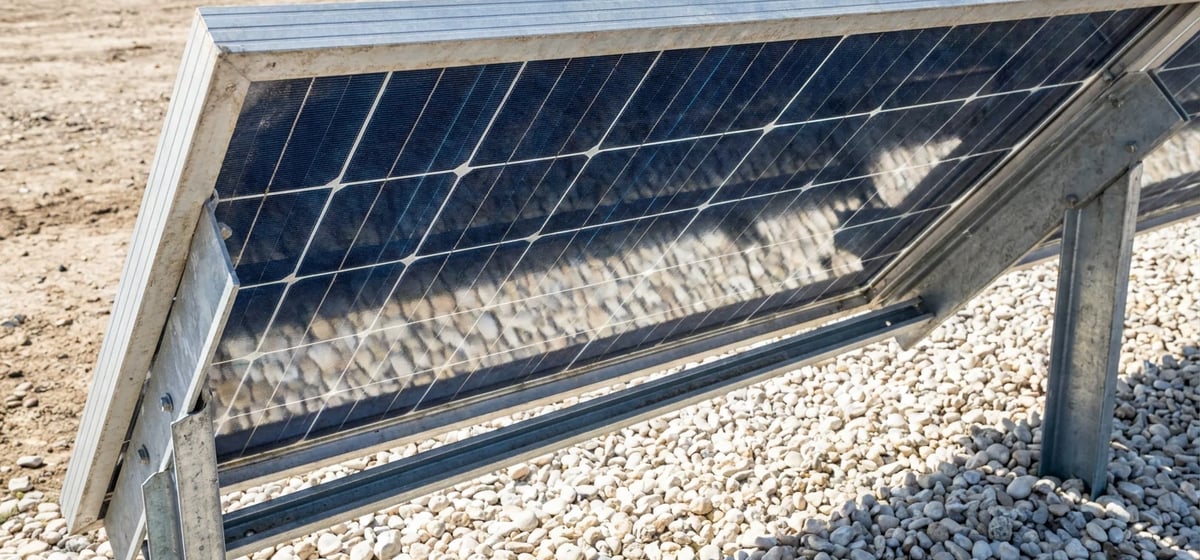
Standard solar panels only soak up sunlight on their top face. A bifacial solar panel captures light on both the front and the back. The word bifacial comes from the Latin prefix bi meaning two and facialis meaning face. Solar engineers started using this term in the 1960s when they built early space satellites that needed maximum power. Today, you can use that same technology to power your house. The top side grabs direct sunlight just like normal. The bottom side is made of special glass that grabs sunlight bouncing off the ground or your roof. They don't have a solid, dark back sheet like older panels do. Instead, they look a bit transparent.
Why It Matters to You
When you install solar, you want the most electricity possible to lower your monthly bills. Bifacial panels give you a big boost in power. They'll produce 10 to 30 percent more energy than standard panels taking up the exact same amount of space. This means you might need fewer panels overall to cover your home energy needs. It also really helps if your yard or roof space is small and you can't fit a huge array of panels.
If you are researching Solar Panels, these two-sided versions give you more value over time. You get more power early in the morning and late in the afternoon. During these times, the sun sits low in the sky and reflects heavily off the ground. That extra daily power adds up fast over a full year.
Where You Will See Them
You won't usually see bifacial panels slapped flat against a standard slanted roof. If a panel sits right against your shingles, no light can reach the back side. That completely defeats the purpose. Instead, you will see them installed in specific spots where light can bounce around.
- Ground mounts: Installers set up panels on tall metal racks in your yard. The sun bounces off the grass, snow, or gravel and hits the back of the panel.
- Flat roofs: If you have a flat roof, contractors tilt the panels up on angled racks. The flat surface reflects a lot of light upward.
- Patio covers and pergolas: Some homeowners use bifacial panels as the actual roof of a backyard shade structure. The panels provide nice shade while soaking up light from above and below.
- Solar carports: These are tall structures built over a driveway. The panels act as a roof for your car while gathering light from the bright concrete below.
This setup ties into your Roofing choices. A bright, light-colored roof makes these panels work much better than a dark roof because light colors bounce more sun rays.
Costs and What to Watch For
Bifacial solar panels cost a bit more upfront than standard panels. You can expect to pay 10 to 20 percent more for the actual hardware. The total cost for a full home solar system usually runs 15,000 to 30,000 dollars before any tax credits. Keep in mind that prices vary based on your location, your contractor, and the system size.
You also have to think about the surface directly below the panels. Installers call this the albedo effect. A surface that reflects a lot of light gives you more free power. White gravel, light concrete, or a white rubber roof are perfect. Dark dirt or black asphalt won't reflect much light at all. If you live in an area that gets a lot of snow, bifacial panels are fantastic. Bright white snow acts like a giant mirror and sends massive amounts of light to the back of the panels.