What It Is
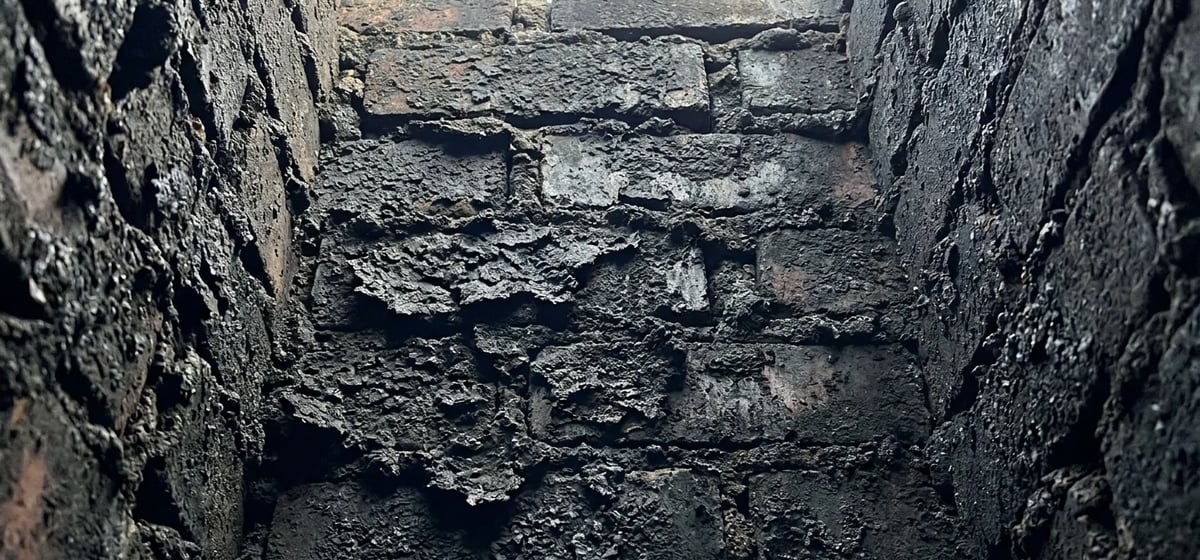
Creosote is a dark and sticky substance that builds up inside your chimney when you burn wood. When smoke travels up the flue, it cools down. This cooling process leaves behind soot and chemical residue on the chimney walls. Over time, this residue hardens into creosote.
The word itself has interesting roots. It comes from the Greek words kreas meaning flesh and soter meaning preserver. People originally used similar chemical mixtures to preserve meat and wood. Later on, they noticed it as a natural byproduct left behind in chimneys.
You get more of this buildup when you burn wet or unseasoned wood. Wet wood creates a cooler fire. A cooler fire produces more smoke, and more smoke means more condensation on the chimney walls. You should always burn dry, seasoned hardwoods like oak or maple to keep the buildup low.
Why It Matters To You
Creosote catches fire very easily. If you let it get too thick, a stray spark from your fireplace can ignite the coating inside the chimney flue. This causes a dangerous chimney fire. Chimney fires can reach temperatures over 2,000 degrees. This extreme heat can crack brick, melt mortar, and destroy your chimney liner. Once the liner fails, the fire can easily reach the wood framing of your home.
Taking care of your chimney is a big part of your overall safety. If a fire does happen because of neglected maintenance, you might have a hard time with your Home Insurance claim. A clean chimney also drafts better. This means less smoke backs up into your living room when you want to enjoy a warm fire.
The Three Stages of Creosote
This substance gets worse the longer you ignore it. Professionals group this buildup into three stages.
- Stage one is light and flaky. It looks like velvet or black dust. A basic chimney brush easily removes this type of soot.
- Stage two is sticky and looks like shiny black tar. It clings hard to the chimney walls. A standard brush won't get it off. A professional needs to use a special rotary loop on a drill to scrub it away.
- Stage three is a hard and thick glaze. It looks like melted candle wax running down the inside of your chimney. This is the most dangerous stage. It is very hard to remove and usually requires harsh chemicals. Sometimes, stage three damage means you have to replace the chimney liner entirely.
What To Watch For And What It Costs
You can't always see the buildup, but you can often smell it. A strong campfire or asphalt smell coming from your fireplace during the summer is a major red flag. If you notice this, you should check out our guide on Smells & Odors for more tips. Another sign is a poor draft. If smoke spills into the room when you light a fire, your chimney might be choked with buildup.
You need a professional chimney sweep to scrub out the flue every year. The best time to do this is in the late summer or early fall before you start using your fireplace. When you hire a chimney sweep, they'll lay down drop cloths to protect your floors. They use long poles with stiff bristles to scrub the flue. They also use a heavy vacuum to catch all the falling soot so it doesn't cover your furniture.
A standard inspection and sweep usually costs between $150 to $300. Keep in mind that ranges vary based on where you live and how dirty the chimney is. If you have stage three buildup, the removal costs jump significantly. Chemical treatments and heavy scrubbing can cost $500 to $900. If the professional tells you the liner is ruined, a new chimney liner can cost $1,500 to $4,000 or more. Regular cleaning saves you a lot of money in the long run. If you want to know more about hiring the right sweep, read up on Hiring Contractors & What Things Cost.