What Is A Bonding Jumper?
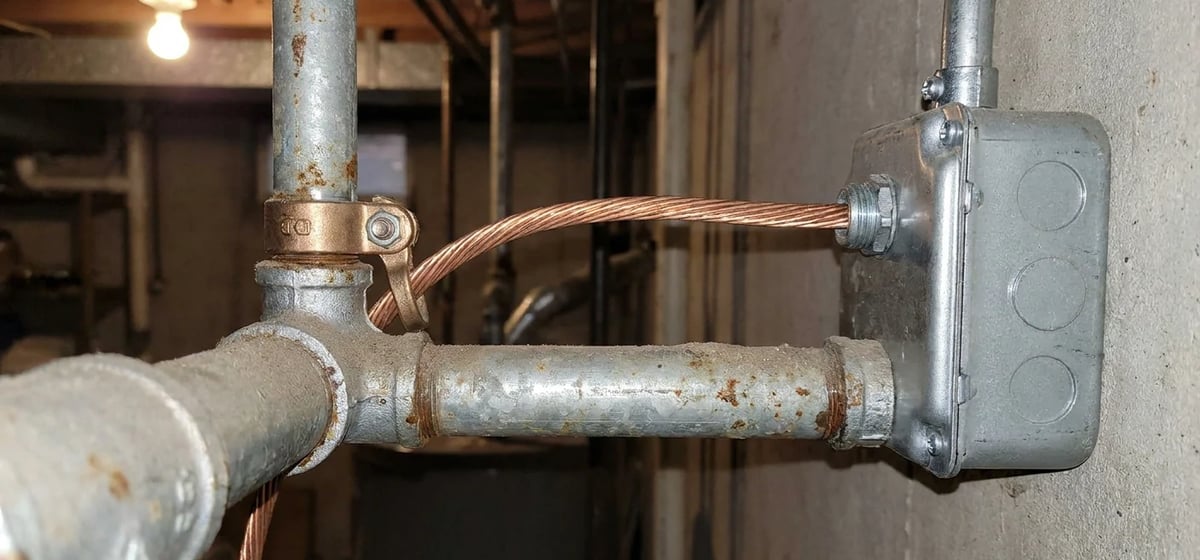
A bonding jumper is a reliable copper wire that connects two metal parts of your home electrical system or plumbing. The word bonding comes from the Middle English word band, meaning something that ties things together. Electricians adopted the term jumper in the early 1900s to describe a short wire that jumps a gap in a circuit. Together, a bonding jumper ties your home systems together to keep you safe from electrical shocks.
You'll usually see this thick, bare copper wire clamped to your metal water pipes. It connects those pipes directly to your main electrical panel. By linking these metal parts, the wire ensures they all have the same electrical potential. If a fault happens, the electricity has a clear and safe path to follow.
Why It Matters For Your Safety
Think about what happens if a frayed wire touches a metal water pipe inside your walls. Suddenly, that pipe is carrying live electricity. If you turn on the faucet, you could get a severe shock. A bonding jumper prevents this nightmare scenario.
Because the bonding jumper connects your plumbing to your Electrical panel, the stray electricity immediately flows back to the panel. This sudden surge of power trips your circuit breaker and shuts off the electricity. The wire protects your family by killing the power before anyone gets hurt.
Where To Look For Them
You can spot bonding jumpers in a few key places around your house. They're easy to identify because they usually look like thick, bare copper wires attached to metal pipes with metal clamps.
- Around your water meter: A bonding jumper often jumps over the water meter. It connects the pipe coming into your house to the pipe going out. This ensures the electrical path isn't broken if a city worker removes the meter for repairs.
- At your water heater: You'll frequently see a jumper wire connecting the hot water pipe to the cold water pipe above your water heater.
- Near your gas lines: Some homes require a bonding wire connecting the metal gas piping to the electrical grounding system.
What To Watch For
You should check your bonding jumpers once a year. Look at the clamps holding the wire to the pipes. They should be tight and secure. If you see heavy green corrosion on the copper wire or the clamp, the connection might be weak.
Sometimes, a plumber might remove a bonding jumper while fixing a pipe and forget to put it back. If you notice a loose wire dangling near your water heater or water meter, you need to fix it right away. Never try to touch or reattach a loose bonding wire yourself if you aren't sure it is safe. Call a licensed electrician to handle it safely.
If you need to hire a pro to install or fix a bonding jumper, expect to pay between $150 and $300. Prices vary based on your location and how hard it is to reach the pipes. You can learn more about typical repair prices in our guide to Hiring Contractors & What Things Cost.
Bonding Jumpers And Home Inspections
When you buy a house, the home inspector will look closely at your electrical system. Missing bonding jumpers are a very common issue on home inspection reports. Older homes often lack these important safety wires because building codes change over time. If your inspector flags a missing bonding jumper, don't panic. It is a fast and straightforward fix for a professional.
You might also run into this issue when you upgrade your plumbing. Many homeowners are replacing old metal pipes with plastic piping. Plastic doesn't conduct electricity. If you replace a section of metal pipe with plastic, you break the continuous electrical path. Your electrician will need to install a new bonding jumper to bridge the gap and keep the remaining metal pipes safe. If you're planning a major renovation, check our Your First Year as a Homeowner guide to help you prioritize these safety upgrades.