What It Is
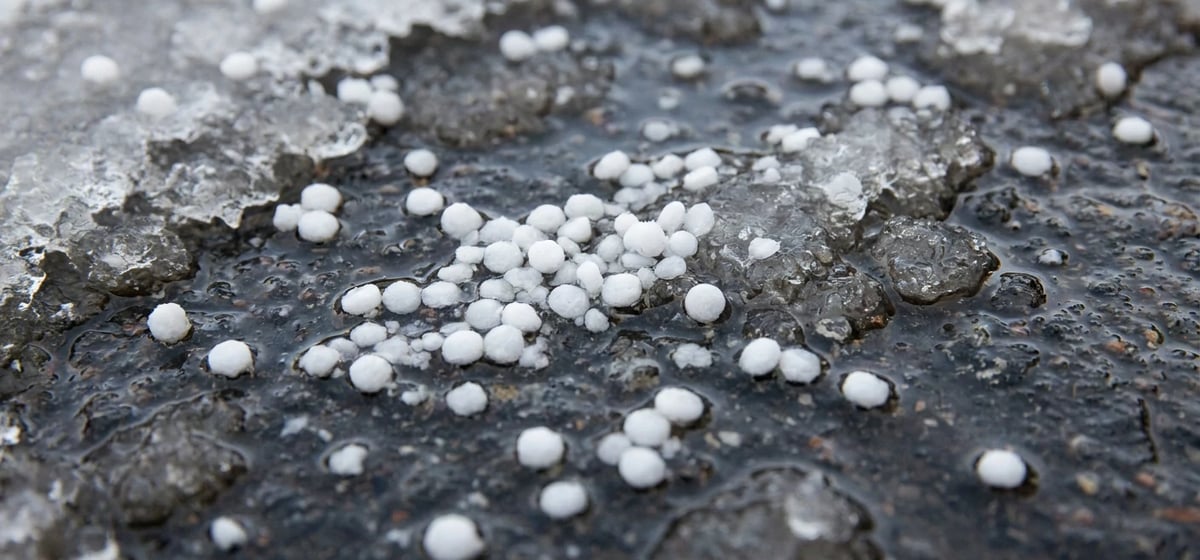
Calcium chloride is a chemical compound made of calcium and chlorine. The name comes from the Latin word calx for limestone and the Greek word chloros for pale green. Chemists first produced this compound in the late 1800s as a byproduct of making washing soda. Today, you usually buy it as small white pellets or flakes. It is a type of salt, but it behaves very differently from the regular table salt in your kitchen.
This compound has a unique trait. It pulls moisture right out of the air. As it absorbs water, it creates a lot of heat. This heat makes it incredibly useful for several common household chores.
Melting Winter Ice
If you live in a cold climate, you will probably use calcium chloride on your driveway and walkways. It is one of the best ice melts on the market. Regular rock salt stops working when the temperature drops to 15 degrees Fahrenheit. Calcium chloride keeps melting ice all the way down to negative 25 degrees Fahrenheit.
Because it creates its own heat, it burns through thick ice much faster than other products. You do not need to use as much of it to get the job done. A 50 pound bag of calcium chloride ice melt usually costs between $20 to $40. Prices vary based on your location and the time of year. While it costs more upfront than cheap rock salt, it saves you time and elbow grease when clearing your landscaping and outdoor hardscapes.
Controlling Indoor Moisture
You might already use this chemical inside your house without realizing it. Many popular moisture absorbing products rely on calcium chloride. You will often see it sold in small plastic tubs or hanging bags meant for damp closets, basements, and bathrooms.
The white flakes sit in a basket above a collection tray. As they pull humidity from the air, they turn into a liquid and drip into the bottom chamber. This is a cheap and easy way to prevent mold and stop musty smells and odors in small spaces. A basic moisture absorber tub costs $4 to $8 at the hardware store.
Other Common Uses
You might run into calcium chloride in a few other home maintenance situations.
- Pool maintenance: If you own a swimming pool, you have to balance the water chemistry. If the calcium level is too low, the water will eat away at the pool plaster and tile grout. You add calcium chloride to raise the calcium hardness. You can learn more about this in our guide to pools and hot tubs.
- Winter concrete work: If you hire a contractor to pour a concrete patio in the middle of winter, they might add this chemical to the mix. It makes the wet concrete set up and harden much faster in freezing weather.
- Dust control: If you live on a dirt road, your town might spray liquid calcium chloride on the dirt in the summer. It pulls moisture from the humid air and keeps the dust from flying around.
What to Watch Out For
While this is a very helpful product, you need to handle it with care. It can dry out your skin and cause mild irritation. You should always wear gloves when you spread it on your driveway.
It can also harm your pets. The pellets can get stuck in your dog's paws. The chemical reaction creates heat, which can burn their foot pads. If you have pets, look for a pet safe ice melt instead, or make sure you wipe their paws with a warm cloth as soon as they come inside.
If you store leftover calcium chloride in your garage over the summer, make sure you keep it in an airtight container. If you leave the bag open, the chemical will pull humidity from the summer air. You will eventually return to find a useless puddle of salty liquid instead of dry pellets.