What is cellulose insulation?
Cellulose insulation is a thick layer of fluffy material that builders blow into your attic or walls. It exists to keep your home warm in the winter and cool in the summer. The material is mostly made from recycled newspapers and cardboard. Manufacturers treat this paper with special chemicals called borates. These chemicals help the insulation resist fire, mold, and common household bugs.
The word cellulose comes from the French word cellule. That translates to a small living cell. Manufacturers first started using plant cells for home insulation in the 1920s as a smart way to recycle waste paper. Today, it remains one of the most environmentally friendly ways to insulate a house.
Why it matters to your home
Good insulation is the secret to a comfortable house. When your home has enough insulation, your furnace and air conditioner don't have to work as hard. This lowers your monthly energy bills and extends the life of your HVAC & Climate Control systems. Cellulose is especially good at stopping air leaks because the tiny paper flakes settle tightly around wires, pipes, and wooden frames.
Cellulose also acts as a great sound barrier. The dense material absorbs noise very well. If you live on a busy street or have loud neighbors, a thick layer of cellulose in your walls can make your indoor space much quieter.
Where you run into it
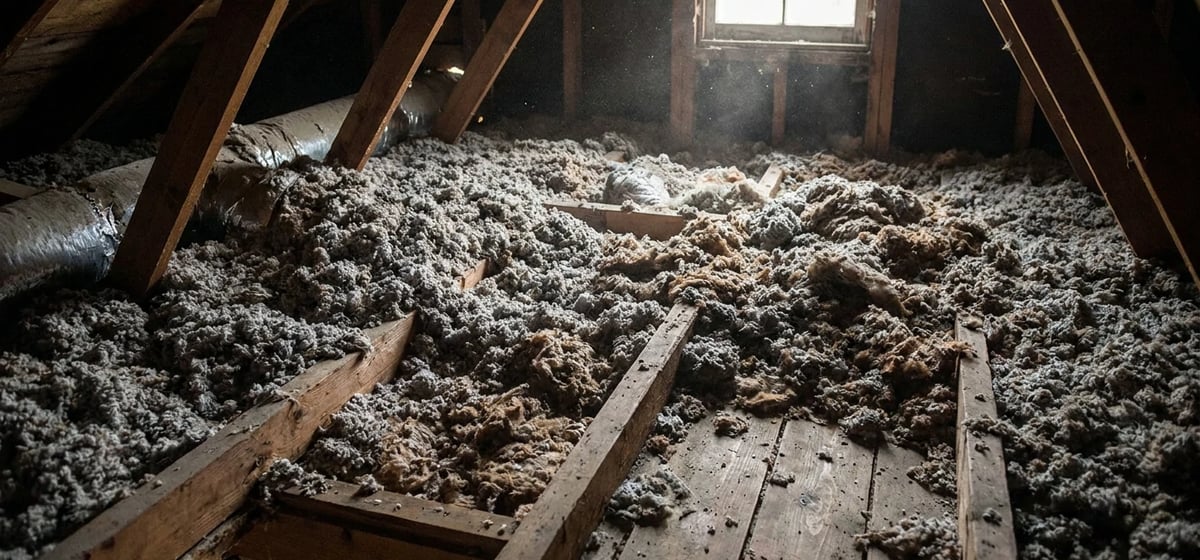
You will most likely see cellulose insulation if you poke your head into your unfinished attic. It usually looks like a sea of gray, fluffy dust sitting in piles between your attic floor joists. Builders blow it loosely over the attic floor using a large machine with a long hose.
You might also find it hiding inside your exterior walls. When builders add cellulose to walls, they use a method called dense packing. They blow the material into the empty wall cavities at a very high pressure. This packs the paper flakes together so tightly that they won't sink to the bottom of the wall over time.
How much it costs to install
Adding insulation is a common upgrade for older homes. The cost to blow cellulose into an attic usually falls between $1.50 to $3.50 per square foot. Keep in mind that exact price ranges vary based on your local market, the size of your attic, and how thick the layer needs to be. For an average size home, expect to pay around $1,500 to $3,000 for a complete attic job.
You can rent a blower machine from a hardware store and do this job yourself to save money. However, blowing insulation is very dusty, hot, and tiring work. You have to move carefully in the attic to avoid stepping through the drywall ceiling below. Many homeowners decide to skip the hassle and hire an expert. If you are unsure which route to take, you can read more about DIY vs. Hiring a Pro to help you decide.
What to watch out for
While cellulose is a great product, it does have a few quirks you should know about. Keep an eye on these common issues:
- Settling: Over the first few years, loose cellulose in an attic will settle and drop by 15 to 20 percent. Good installers blow in extra material on day one to make up for this.
- Moisture damage: Because it is made of paper, cellulose acts like a sponge. A leaky roof can soak the insulation, making it heavy and prone to mold.
- Hot lights: Unless your recessed ceiling lights are rated for direct contact, you shouldn't let cellulose touch them. Installers must build small boxes around older lights to prevent a fire hazard.