What is a cesspool?
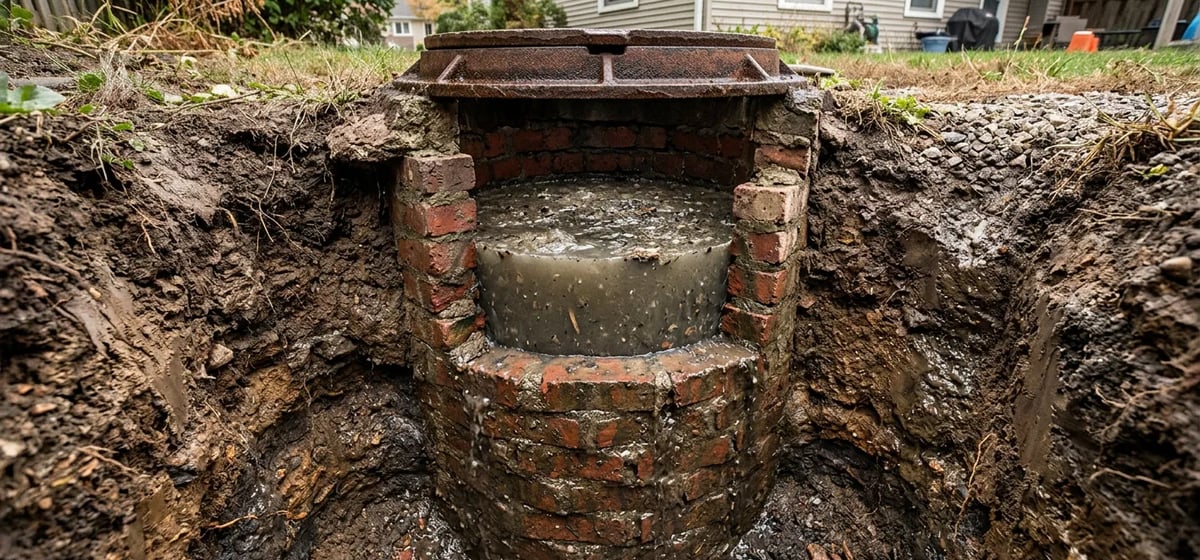
A cesspool is an older method used to handle household wastewater. It is basically a deep underground pit. Builders usually lined these pits with loose brick, stone, or concrete blocks, leaving the walls unsealed on purpose. When dirty water from your toilets, sinks, and showers flows down the pipes and into the pit, the liquid slowly seeps out through the gaps in the walls. It then drains directly into the dirt while heavy solid waste sinks to the bottom.
The word comes from the Italian word cesso meaning a privy or retreat. English builders adopted the term back in the 1600s to describe a settling pit for waste. Before modern city sewer lines existed, these pits were the standard way to get waste out of the house.
Today, you'll mostly find them on very old properties in rural or suburban areas. They are very different from modern septic systems. A modern septic tank holds waste so bacteria can break it down over time, and then it sends the treated liquid out to a large, shallow drain field. A cesspool skips the treatment step. It just dumps the raw wastewater directly into the ground in one concentrated spot.
Why it matters to you
Modern health codes ban new cesspools in almost every part of the country. They simply don't treat the waste before it hits the soil. Because of this, harmful bacteria, viruses, and household chemicals can easily reach the groundwater. This is a massive health risk if you or your neighbors rely on a private well for drinking water. It can also pollute nearby lakes, streams, and beaches.
If you are buying a historic home, you need to know exactly what is buried in the yard. Many towns will force you to replace an old pit with a modern septic system before you can legally sell or buy the house. Even if your local government lets you keep a working one, it is a major financial risk. If the walls collapse or the pit stops draining, you can't repair it. You are legally required to replace it completely. You can read more about handling toxic property issues in our guide to Environmental Hazards.
What to watch for
Because this system just lets liquid soak into the deep dirt, the soil around it will eventually clog. Grease, soap scum, and solid waste build up a thick sludge over the years. When the surrounding dirt can't absorb any more liquid, the pit fills up fast.
You might notice a few clear warning signs before a total failure:
- Foul smells: The most common sign is a sour odor lingering in your yard. If you smell raw sewage, you have a serious problem.
- Slow plumbing: You might see slow drains inside your house, or your toilets might gurgle when you flush them.
- Lawn changes: Look for unusually green, lush grass growing in one specific circle in the yard, or mushy, wet puddles forming on the lawn.
If you notice strange scents around your property and want to track them down, check out our guide to Smells & Odors.
Costs and upgrades
If you live in a house with a working cesspool, you'll need to have it pumped out regularly to keep it from overflowing. Pumping usually costs 300 to 600 dollars. However, pumping is just a temporary fix. It removes the liquid and solids, but it doesn't fix the clogged soil around the outside of the pit.
Eventually, you'll need to upgrade to a standard septic system or connect to a city sewer line. This is a massive, expensive project. A contractor will need to dig up your yard, pump out the old pit, crush the old stone walls, and fill the hole with fresh dirt. Then, they must install a new concrete tank and build a proper drain field.
The cost to replace a cesspool ranges from 10,000 to 25,000 dollars. Keep in mind that prices vary widely based on your local soil conditions, property size, and the permits your town requires. Before you hire someone for a job this big, review our tips on Hiring Contractors & What Things Cost.