What Is a Charge Controller?
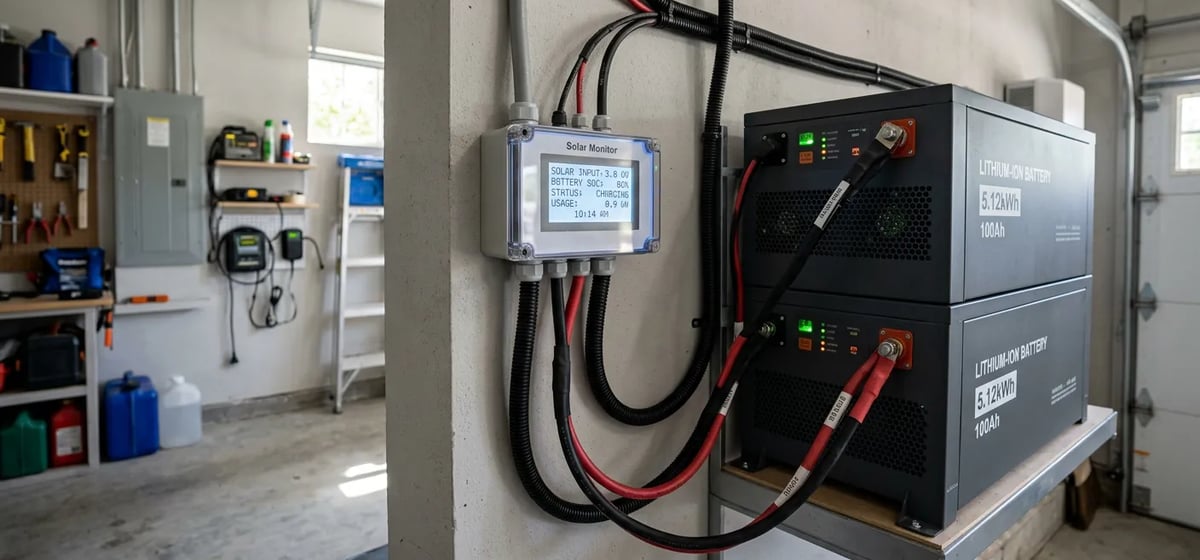
A charge controller is a small electronic box that sits between your Solar Panels and your solar battery bank. It acts like a traffic cop for electricity. When the sun shines bright, your panels make a lot of power. If all that power went straight into your batteries at once, they'd overheat and break. The charge controller slows down the flow of electricity. It limits the rate at which electric current is added to the batteries. It also stops power from flowing backward out of the batteries and into the panels at night. Engineers started using the name in the late 1900s when off grid home solar systems became popular. The name describes exactly what the device does.
Why It Matters to You
Solar batteries are very expensive. Replacing a burned out battery bank can cost thousands of dollars. A charge controller prevents overcharging and makes your expensive batteries last much longer. Without this device, your home solar setup would constantly break down. If you have an off grid cabin or a backup battery system for your main house, this little box keeps everything safe. It also helps you get the most out of your solar investment so you aren't wasting energy.
Types of Charge Controllers
You'll usually see two main types of charge controllers on the market.
- PWM (Pulse Width Modulation): These are older and cheaper. They work well for small setups like an RV or a tiny shed. They slowly lower the amount of power going into the battery as it gets full.
- MPPT (Maximum Power Point Tracking): These are modern and highly efficient. Most home systems use this type. They adjust the voltage coming from the panels to match exactly what the battery needs. This means you get more usable power out of your panels on cloudy days.
Costs and Replacement
Replacing a charge controller is a normal maintenance task for solar owners. The cost depends on the size of your system and the type of controller you buy. Keep in mind that prices vary depending on your location and installer.
- A basic PWM controller costs 20 to 50 dollars.
- A standard home MPPT controller costs 150 to 400 dollars.
- A heavy duty commercial grade unit can cost 500 to 800 dollars.
If you hire a professional from the Electrical trade to install it, expect to pay another 150 to 300 dollars for labor. Doing the math, a typical home replacement project will run you about 300 to 700 dollars total. You can learn more about managing these types of projects in our guide to Hiring Contractors & What Things Cost.
What to Watch For
Charge controllers usually last 10 to 15 years. They sit quietly on a wall near your batteries and do their job. However, they do fail sometimes. You should check the display screen on your unit once a month. If the screen is blank during the day, the unit might be dead. If your batteries never seem to reach a full charge even on sunny days, the controller might be stuck in the wrong mode. You should also look out for strange burning smells near your solar equipment. If you smell melting plastic, turn off the system right away and call a pro.