What is a chimney cap?
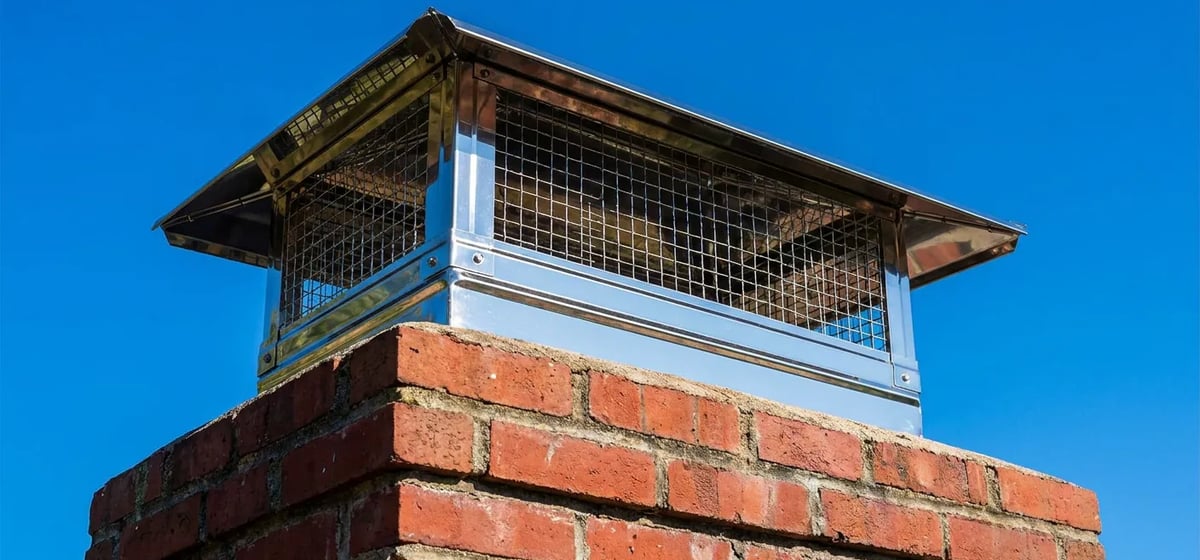
The word chimney comes from the Old French word cheminee which means fireplace. Chimney sweeps and masons began installing metal caps in the 1900s to reduce weather damage and keep birds out of the flue. Today, a chimney cap is a basic but vital metal cover that sits on top of your chimney crown. It stops rain, snow, and animals from getting inside your house. It also has a wire mesh screen that prevents stray sparks from landing on your roof and starting a fire.
Why it matters to your home
A missing chimney cap leaves a gaping hole in your roof. This open hole invites a lot of expensive problems into your house. Water is the biggest enemy of a brick chimney. When it rains, water pours straight down an uncapped flue. This moisture mixes with soot and eats away at your masonry from the inside out. When winter comes, trapped water freezes and expands. This cracks your bricks and ruins your mortar joints over time.
Animals are another major issue. Birds, squirrels, and raccoons love to build nests inside warm, dark chimneys. These nests block smoke and dangerous gases from escaping when you use your fireplace. A blocked flue pushes deadly carbon monoxide back into your living room. The mesh screen on a chimney cap keeps critters out. If you already hear scratching in your chimney, you might need to read up on Pest Control before you seal it off.
Finally, a cap protects your roof. Wood fireplaces create hot embers that float up the chimney. The metal screen acts as a spark arrestor. It catches these hot embers before they land on dry leaves or shingles and start a house fire.
Materials and typical costs
Chimney caps come in a few different metals. The right choice depends on your budget and how long you want the cap to last.
- Galvanized steel: This is the cheapest option. It usually lasts about five years before it starts to rust.
- Stainless steel: This is the most popular choice for homeowners. It resists rust and lasts a very long time.
- Copper: Copper caps are very expensive but look beautiful on historic homes. They turn green over time and last a lifetime.
You can expect to pay 150 to 400 dollars to have a professional install a standard stainless steel cap. The part itself costs 50 to 200 dollars. Labor usually adds 100 to 200 dollars to the bill. Custom sizes for multiple flues will cost more. Keep in mind that these ranges vary based on where you live and how steep your roof is. If you are replacing your shingles, your roofer can often install a new cap at the same time. You can learn more about roof work in our guide to Roofing.
What to watch for
You will want to look at your chimney cap from the ground at least once a year. Grab a pair of binoculars and check for a few common issues.
First, make sure the cap is actually there. High winds can blow older or loose caps right off your roof. If you see an open black hole at the top of your chimney, you need a new cap right away.
Next, look for rust streaks running down the sides of your chimney crown. This means a cheap galvanized cap is failing. You should replace it before the rust eats a hole through the metal.
Finally, watch out for heavy soot buildup on the wire mesh. Burning unseasoned wood creates sticky creosote. This thick soot can clog the mesh screen and trap smoke inside your house. A professional chimney sweep will clean the screen when they clean your flue.