What is compost?
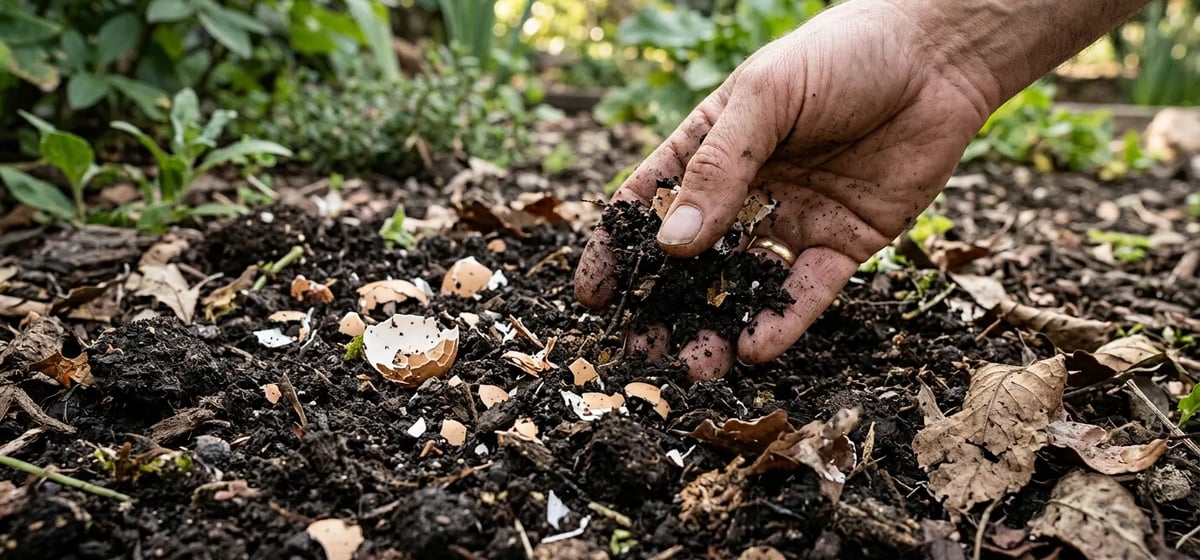
Compost is a dark, crumbly material made from broken down organic matter. It looks and feels like rich garden soil. You make it by letting everyday yard waste and kitchen scraps decay in a pile or bin. Over time, bugs, worms, and tiny bacteria eat the waste. They turn it into a superfood for your plants. Many gardeners simply refer to it as black gold.
When you look closely at finished compost, you won't be able to recognize the original items. The banana peels, dead leaves, and coffee grounds all blend into a smooth, dark dirt. This process happens naturally in forests when leaves fall and rot on the ground. When you compost at home, you are just speeding up that exact natural process.
Why it matters for your yard
Adding compost to your flower beds and vegetable gardens gives your plants a huge boost. It acts like a natural, slow release fertilizer. It packs your soil with nutrients that plants need to grow strong roots and bright leaves. Compost also completely changes the physical texture of your dirt.
If you have hard clay soil, compost breaks it up so water can drain away from plant roots. If you have loose sandy soil, compost acts like a sponge to hold moisture right where the plants need it. A thick layer of compost helps keep your yard healthy and cuts down on the amount of water you need to use from your hose. It's a huge part of good Landscaping, Drainage & Outdoor care. Making your own compost also means you send much less heavy, wet food waste to the local landfill.
How to get started and what it costs
You can easily buy compost or make your own. If you want to buy it, local home improvement stores sell small bags for 5 to 10 dollars each. If you need a lot for a new garden, local landscaping yards will deliver it by the truckload. A cubic yard of bulk compost usually costs 30 to 60 dollars. Keep in mind that delivery fees will add 50 to 100 dollars to your final bill, though prices vary depending on where you live.
If you want to make it yourself, you just need a shady spot in your yard and a basic bin. You can buy a plastic tumbling compost bin for 50 to 150 dollars. You can also build a simple open pen out of cheap wooden pallets. To make good compost, you need a mix of two types of waste.
- Green materials: These provide nitrogen. Good examples include fresh grass clippings, vegetable peels, apple cores, and coffee grounds.
- Brown materials: These provide carbon. Good examples include dry dead leaves, small twigs, shredded newspaper, and plain cardboard.
What to watch out for
A healthy compost pile should smell just like fresh earth after a rainstorm. If your pile smells like rotten eggs or sour garbage, something is wrong. You can check our guide on Smells & Odors for more tips on tracking down weird yard smells. Usually, a bad smell just means the pile is too wet or needs more oxygen. You can fix this easily by turning the pile over with a pitchfork and mixing in some dry brown leaves.
You also need to be very careful about what you toss into your bin. Never add meat, bones, dairy products, or greasy leftover foods. These items will rot quickly and smell absolutely terrible. Worse, they will attract mice, rats, and raccoons directly to your yard. If you accidentally draw in rodents, you might end up needing expensive professional Pest Control help. Stick strictly to plant based kitchen scraps and yard waste to keep your pile safe, clean, and bug free.