What Is a Compression Nut?
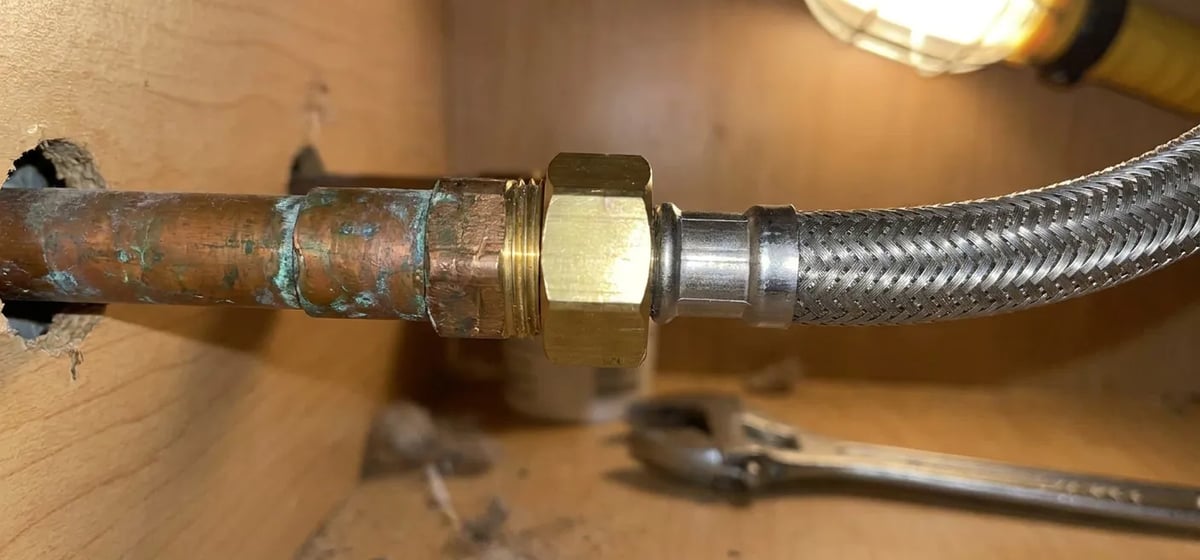
A compression nut is a small plumbing fitting that creates a watertight seal without needing solder or glue. You will usually see it made of brass, chrome, or plastic. It works together with a tiny metal or plastic ring called a ferrule. When you tighten the nut onto a threaded pipe, it squeezes that ring tightly against the water line. This squeezing action seals the gap so water cannot escape.
The term compression comes from the Latin word comprimere, meaning to squeeze together. Plumbers adopted this word because the nut literally crushes the ring onto the pipe to stop leaks. You will find these nuts all over your house wherever small water lines connect to fixtures.
Where You Will Find Them
You probably have dozens of compression nuts in your home right now. They are the standard choice for connecting flexible water supply lines to your main Plumbing pipes. Look under any sink, and you will see them connecting the hot and cold water tubes to the shutoff valves. You will also find them behind your toilet, behind your refrigerator for the ice maker, and under your dishwasher.
Because these nuts are used in tight spaces, they are designed to be installed with just a pair of wrenches. This makes them perfect for cramped cabinets and narrow gaps between appliances and walls. You will spot them primarily on copper pipes, plastic PEX tubing, and braided steel hoses.
- Under bathroom and kitchen sinks connecting the faucet lines.
- At the base of the toilet tank connecting the fill valve.
- On the small copper or plastic water supply line for your refrigerator ice maker.
- Connecting the hot water feed to your dishwasher under the kitchen counter.
How They Work and Why They Fail
These fittings are incredibly reliable when installed correctly. As you turn the nut with a wrench, it pushes the ferrule deeper into the fitting. The ferrule has nowhere to go, so it clamps down hard onto the pipe. Once that ring is crushed into place, the seal is permanent.
However, compression nuts can fail. The most common reason is overtightening. If you crank the nut down too hard, you can warp the metal ring or crack a plastic nut. This ruins the seal and causes a slow drip. Another common issue is bumping the pipe. If you shove a heavy box of cleaning supplies under your sink and hit the water line, it can bend the pipe and break the seal.
Repair Costs and Fixing Leaks
If you spot a leak under your sink, you might just need to tighten the compression nut a quarter turn. If that does not stop the drip, you will need to replace the fitting. The parts are very cheap. A new nut and ring will cost you anywhere from 2 to 10 dollars at a local hardware store. Replacing it yourself is a simple project if you have a couple of wrenches.
If you prefer to call a plumber, expect to pay standard service rates. A basic service call to fix a leaky supply line will run you 150 to 250 dollars. Costs vary based on where you live and how easy it is to reach the pipes. If you are unsure about doing it yourself, read our guide on DIY vs. Hiring a Pro to help you decide.
What to Watch For
When dealing with these fittings, you need to pay attention to a few key details. Always make sure the pipe is cut perfectly straight before you slide the nut and ring on. A jagged cut will prevent a good seal. Also, make sure the threads are clean. If you cross the threads while twisting the nut on, it will never seal properly.
Finally, keep an eye out for corrosion. If a compression nut under your sink looks green or crusty, it has been leaking slightly for a long time. The metal is slowly breaking down. You should plan to replace the fitting before it fails completely and causes water damage to your cabinets or floors.