What Is a Dedicated Circuit?
A dedicated circuit is a specific wire in your home that has only one job. It connects a single appliance directly to your main electrical panel. No other outlets, lights, or devices share this path. The word dedicated comes from the Latin word dedicare, which means to devote to a specific purpose. Electricians use this term to describe a wire devoted exclusively to one single load.
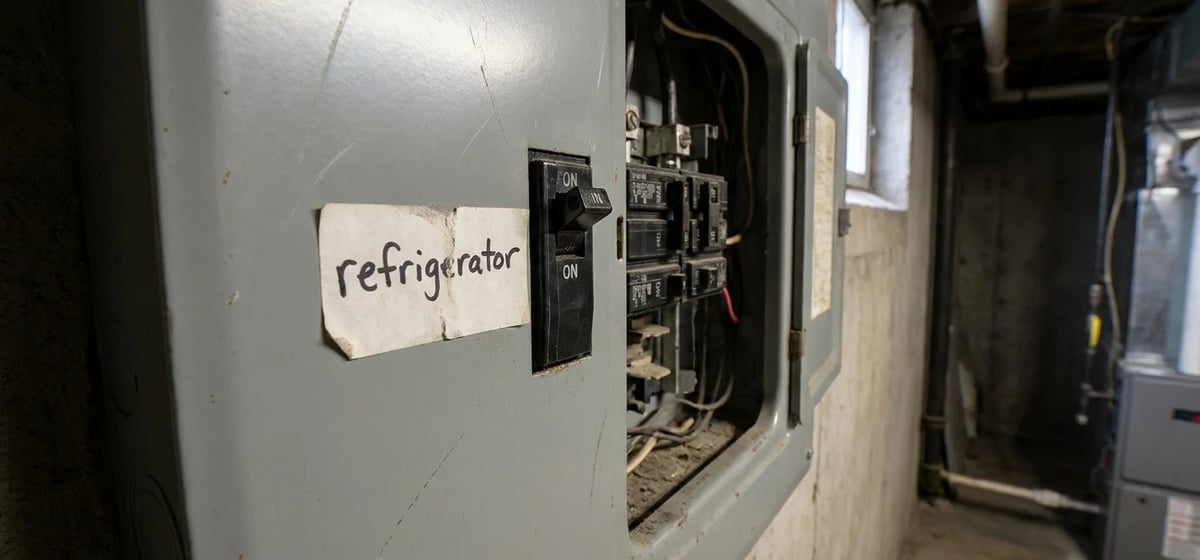
When you look inside your breaker box, you'll see switches that control power to different parts of your house. A dedicated circuit has its own breaker switch that flips off if that one appliance draws too much power. Standard outlets usually run on 15 amp or 20 amp circuits. Large items like an electric dryer might need a 30 amp or 50 amp circuit. The breaker size must match the wire size and the appliance needs exactly.
Why You Need Them
You need this setup to keep your home safe and keep your power running smoothly. Heavy power users pull a lot of electricity when they turn on. If a refrigerator shares a wire with your kitchen lights and a toaster, the combined power draw will overload the system. This trips the breaker and shuts off the power instantly.
Constantly tripping breakers is annoying, but it's also a fire hazard. Overloaded wires get hot inside your walls. If they get too hot, they can melt their insulation and start a fire. Giving large Appliances their own circuit prevents these dangerous overloads and keeps your family safe.
Common Appliances That Need Their Own Wire
You'll find these circuits in specific spots around your house. The National Electrical Code requires them for heavy equipment that runs on a motor or creates heat.
- Refrigerators and freezers
- Electric ranges, ovens, and stoves
- Microwaves
- Electric water heaters
- Furnaces and heat pumps
- Washers and electric dryers
- Sump pumps
How to Tell if You Need One
You might need a new circuit if you are remodeling your kitchen or upgrading your heavy equipment. If your breaker trips every time you run the microwave and the toaster at the same time, your kitchen wiring is overloaded. You should also check your panel if you plan to buy a large tool like a table saw or an air compressor for your garage.
Older homes built before modern building codes often lack enough of these circuits. If you live in a house built 50 years ago, you might only have one or two circuits for the entire kitchen. Today, a modern kitchen usually needs at least six or seven separate circuits to pass inspection. A licensed electrician can inspect your panel to see if you have room for a new breaker. If your panel is full, you might need a heavy up, which means upgrading your entire Electrical system to handle more power.
What It Costs to Add One
Adding a new wire to your panel is a job for a professional. Don't try to do this yourself. You'll need to hire a licensed electrician to run the wire through your walls and install the new breaker. Costs depend on how far the appliance is from your main panel and how hard it is to fish the wire through your walls.
Expect to pay 250 to 800 dollars for a standard dedicated circuit. If the electrician has to cut open drywall or run wire through a finished basement ceiling, the price will be on the higher end. If you need a whole new panel to make room for the circuit, that upgrade can cost 1500 to 3000 dollars. Your electrician will also need to pull a permit with your local city or county office. The permit fee usually costs 50 to 150 dollars and is often included in your total quote. Prices always vary by region, so get a few quotes when Hiring Contractors & What Things Cost to ensure you get a fair deal.