What is a deed?
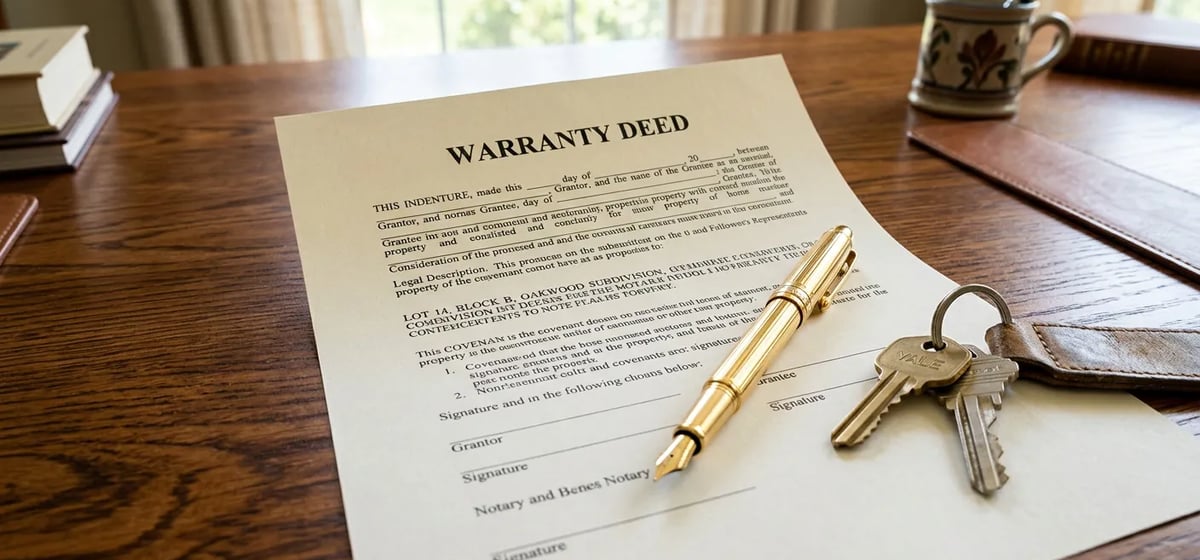
A deed is the official written document that proves you own your home and the land it sits on. When you buy a house, the seller signs this paper to transfer their ownership over to you. It includes a detailed legal description of your property lines and names you as the new legal owner. You'll sign or receive this document at the closing table when you finalize your purchase.
Many people confuse the deed with the title. They're related but different. Title is the legal concept that says you have the right to own and use the property. The deed is the actual physical paper that proves you hold that title. You can think of the title as the idea of ownership, and the deed as your receipt.
How it gets recorded
After you sign the paperwork at closing, your title company or real estate attorney takes the deed to your local county recorder office. The county clerk scans the document and enters it into the public record. This makes your ownership official to the rest of the world.
You usually pay a recording fee as part of your closing costs. This fee generally runs from 50 to 150 dollars, though ranges vary depending on your county and state. Once the county records the document, they mail the original physical copy to your new house. This usually happens a few weeks after you move in. If you're reading through our New Homeowner Guide, you'll see that waiting for this document in the mail is a normal part of the process.
Common types of deeds
You might hear a few different names for this document. The type you get depends on how you bought the house and the guarantees the seller makes.
- General warranty deed: This is the most common type when you buy a home. It offers the most protection. The seller guarantees they own the property free and clear, and they promise no one else has a claim to it.
- Special warranty deed: This offers a little less protection. The seller only guarantees that no title issues popped up while they personally owned the home. They don't promise anything about previous owners.
- Quitclaim deed: This type offers no guarantees at all. It simply transfers whatever ownership the person has over to you. People mostly use quitclaim deeds to transfer property between family members or to move a house into a living trust.
How to spot deed scams
Shortly after you buy a house, your mailbox will fill up with junk mail. Some of this mail looks like official government notices. These letters will tell you that you need a certified copy of your deed and offer to get it for you if you pay a fee of 80 to 100 dollars.
The original document will come to you in the mail directly from your county or title company for free. If you ever lose it and need a replacement, you can just go to your county clerk website or office. They'll print you a certified copy. The county fee is usually just 2 to 10 dollars. Keeping track of this paperwork is a great habit to build during Your First Month as a Homeowner.
You should keep your original document in a fireproof safe or a bank safety deposit box. You rarely need to show it to anyone, but you'll definitely need it when you're eventually Selling Your Home and transferring the property to the next buyer.