What Depreciation Means for Homeowners
The word depreciation comes from the Latin word depretiare. This means to lower in price. Accountants and insurance agents started using the term in the 1800s to track the falling value of business assets. Today, it is a big part of owning a home.
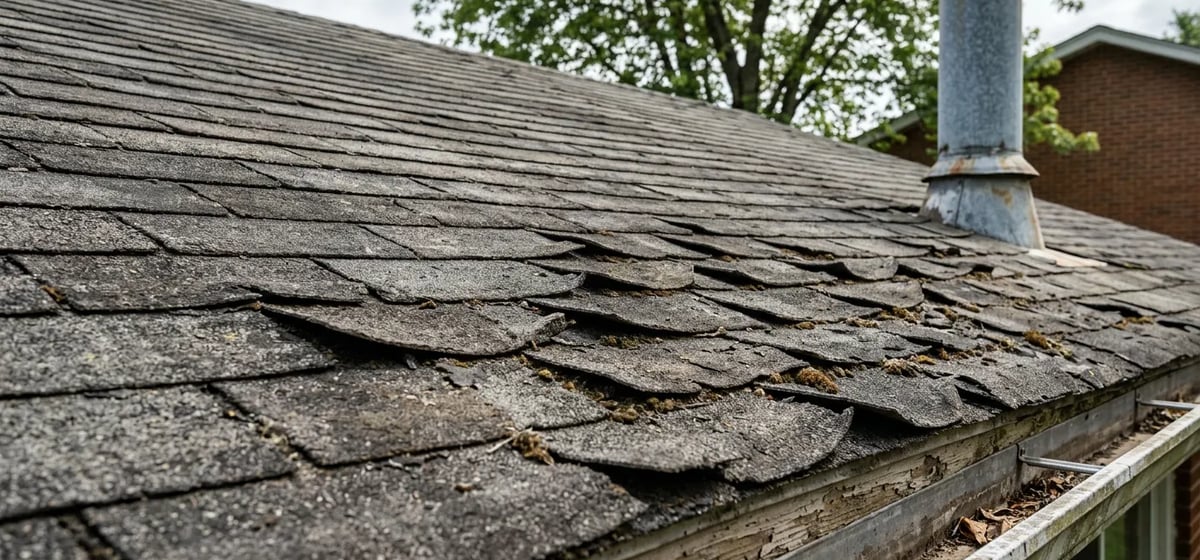
Depreciation is the loss of value of your home or its parts over time. Things lose value because of age and daily wear and tear. A brand new roof is worth a lot of money. A roof that is twenty years old is worth much less. That drop in value is depreciation.
You cannot stop things from getting older. Everything in your house has a lifespan. Paint peels, wood rots, and machines break down. As these things get closer to the end of their useful life, their cash value drops closer to zero.
How Insurance Uses Depreciation
Your insurance company uses this idea to decide how much money they will pay you after a disaster. If a storm ruins your old roof, they will not automatically pay the full price for a brand new one. First, they look at how old the roof is. Then, they subtract the depreciation from your payout.
You can learn more about how policies work in our guide to Home Insurance. Insurance adjusters have charts that tell them exactly how much value an item loses each year. If a television lasts ten years, it loses ten percent of its value every single year.
Where You See It Most
You will see depreciation hit hardest on big ticket items. Things outside your home face the sun, wind, and rain. They wear out faster. Your roof, siding, and deck are prime examples.
If you need to replace your roof, you might pay 8,000 to 15,000 dollars. Prices always vary by location. But if your roof has a lifespan of 25 years and gets destroyed at year 20, the insurance company says it has lost most of its value. You will have to pay the difference out of pocket. Read our Roofing guide for tips on extending its life.
Inside the house, appliances lose value very fast. A new refrigerator might cost 1,500 to 3,000 dollars. After ten years, its actual cash value is close to zero. Our Appliances page explains how to maintain these machines so they last longer.
Taxes and Home Value
If you just live in your home, you do not use depreciation for your taxes. The IRS only cares about it if you run a business or rent out a room. If you rent out part of your house, you can deduct the depreciation from your taxes. This means you tell the government your house is slowly wearing out, and they lower your tax bill in return.
Even though your house parts depreciate, the land under your house usually goes up in value. This is why a home can still sell for more money than you paid for it, even if the roof and the furnace are old.
How to Protect Yourself
You cannot stop time, but you can protect your wallet from the effects of depreciation.
- Keep up with regular maintenance. Clean your gutters and fix small leaks right away. A well maintained item keeps its value longer.
- Save all your receipts when you buy new appliances or replace parts of your home. You need proof of when you bought them.
- Take photos of your home every year. If you ever need to file an insurance claim, photos prove your items were in good shape.
- Upgrade your insurance policy. Ask your agent about switching to replacement cost coverage. It costs a little more each month, usually 10 to 20 percent more, but it ignores depreciation when you file a claim.