What It Is
Galvanized steel is regular steel coated with a thin layer of zinc. The zinc acts like a protective shield. It stops water and oxygen from reaching the steel underneath. This keeps the metal from rusting right away. The process is named after Luigi Galvani. He was an Italian scientist who studied electricity. Inventors patented the method in the 1830s after they figured out how to bond zinc to iron.
Today, builders still use this metal for many things around the outside of your house. It is strong and holds up well to rain and snow. However, plumbers do not use it for drinking water pipes anymore. The zinc coating does not last forever. Eventually, it wears down and the raw steel starts to rust.
Where You Will Find It
You will spot this metal all over your property. Builders love it because it handles the weather well. Here are the most common places you will see it:
- Old water pipes: Homes built before the 1960s often have galvanized steel plumbing.
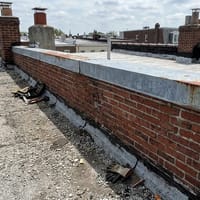
- Roof flashing: Roofers use it to seal joints around chimneys and vents. You can learn more in our guide to Roofing.
- Outdoor hardware: Deck screws, nails, and gate hinges usually have a zinc coating so they survive the rain.
- Fences: Chain link fences are almost always made from this material.
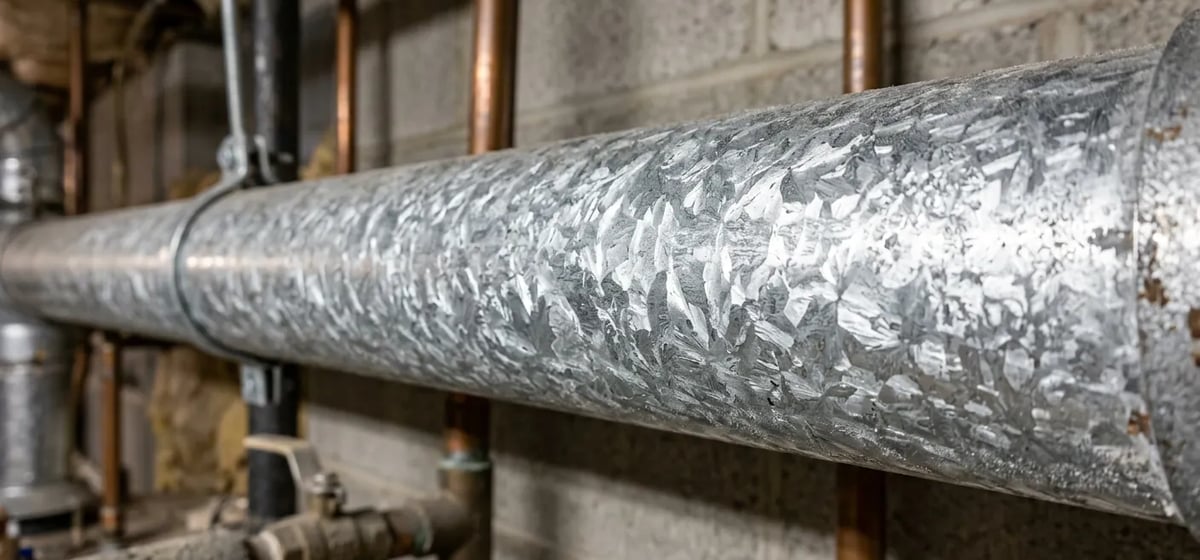
- Air ducts: The shiny metal ductwork in your attic or basement is usually galvanized steel.
How To Spot It
It is very easy to figure out if you have galvanized pipes in your basement or crawlspace. Grab a strong magnet from your fridge and a flathead screwdriver. Find a water pipe and scratch the outside of it gently with the screwdriver. If the pipe is galvanized steel, the scratched area will look a silver gray color. Next, hold the magnet against the pipe. A magnet will stick firmly to galvanized steel. It will not stick to copper or plastic pipes.
You can also look at the pipe joints. Galvanized pipes are threaded at the ends. They screw together with bulky metal fittings. Copper pipes are soldered together, so their joints look smooth.
The Problem With Old Pipes
If your house was built before 1960, you might have galvanized steel water lines. This is a big deal for homeowners. The zinc coating on the inside of the pipes washes away after 40 to 50 years. Once the zinc is gone, the bare steel rusts.
These pipes rust from the inside out. The rust builds up and clogs the pipe. It restricts the water flow. You will notice poor water pressure in your shower. You might also see brown water when you turn on the tap after a vacation. The rust can even ruin your washing machine and dishwasher.
Replacement Costs
Replacing old galvanized pipes is called repiping. Plumbers usually replace them with copper or a flexible plastic tubing called PEX. PEX is much cheaper and faster to install. If you are dealing with plumbing issues, check out our guide to Plumbing for more tips.
Repiping a whole house is a major project. You have to open up walls and ceilings to reach the old lines. A full replacement usually costs between 2,000 and 15,000 dollars. Keep in mind that prices vary widely. Your final bill depends on your local labor rates, the number of bathrooms you have, and the size of your home. You will also need to pay a handyman or drywaller to patch and paint the holes after the plumber leaves. If you need help finding a pro, read our guide on Hiring Contractors & What Things Cost.