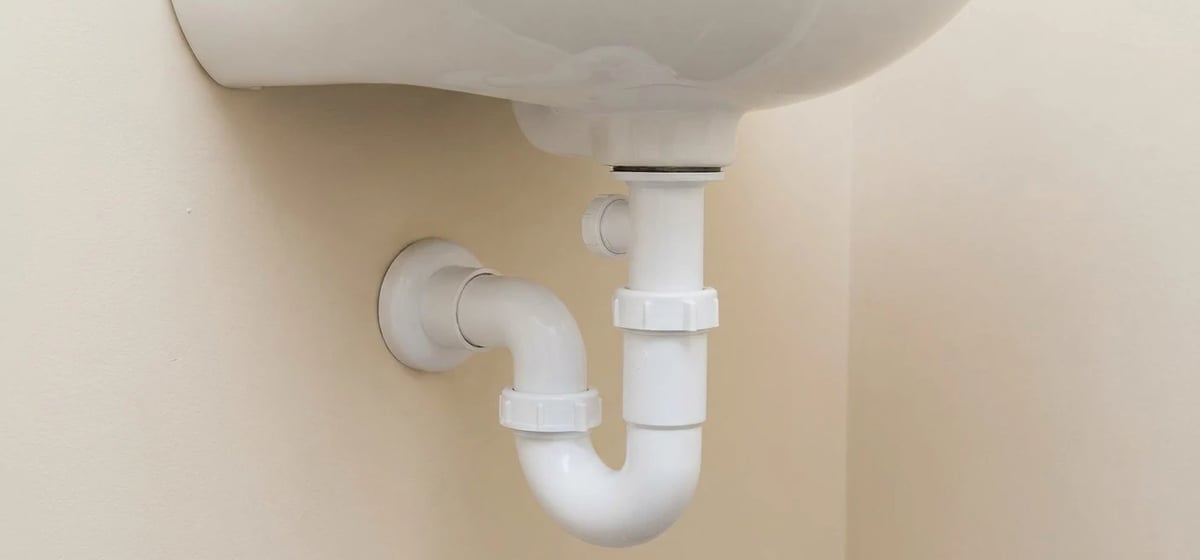
A drainpipe is the hollow tube that carries wastewater away from your sink, tub, or toilet. You'll see these pipes made of white plastic, black plastic, or metal under your sinks. They connect your home fixtures to the main sewer line outside. The word combines drain, from the Old English word dreahnian meaning to strain out, and pipe, from the Latin word pipare meaning to peep or chirp like a bird.
What a drainpipe is
Every time you wash your hands or flush a toilet, the dirty water needs a place to go. A drainpipe gives that water a safe path out of your house. These pipes start right below your fixtures. They travel through your walls and under your floors. The pipes are sized based on how much water they need to carry. A bathroom sink uses a smaller drainpipe than a toilet. Eventually, they all meet up and connect to the main sewer line buried in your yard. Without them, dirty water would just pool inside your home.
Why drainpipes matter
You rely on your drainpipes to keep your home clean and dry. Good drainpipes stop leaks and prevent bad smells from entering your rooms. They use gravity to pull water down and away. They also connect to vent pipes that go up to your roof. This venting lets air in so the water flows smoothly. If you read up on basic Plumbing, you'll see that keeping these pipes clear is a big part of home maintenance. Blocked pipes can back up and cause dirty water to flood your floors.
Common drainpipe materials
If you look under your kitchen or bathroom sink, you'll likely see one of three materials.
- White plastic: This is called PVC. It's very common in modern homes. It's cheap, easy to cut, and lasts a long time.
- Black plastic: This is called ABS. It's similar to PVC but is a bit stronger in extreme cold. Many older homes and some new ones use it.
- Metal: Older homes often have metal pipes made of cast iron, copper, or brass. Metal pipes are heavy and can rust over time.
What to watch for
You should check your drainpipes a few times a year. Look under your sinks for any signs of trouble. Catching a leak early saves you from dealing with ruined drywall or warped floors. You can easily spot most issues with a quick visual check. Small drips can turn into big problems if you ignore them. You might notice water stains on the bottom of your cabinets. You might also smell a foul odor coming from the drain. These are signs that a pipe is leaking or a clog is forming. Slow draining water is another early warning sign. If water takes a long time to leave your sink, a clog is building up somewhere in the pipe. If you ignore it, you might face bigger Home Emergencies later.
Repair and replacement costs
Drainpipe repairs are common. Sometimes you just need to tighten a loose connection. Other times, you need to replace a cracked pipe. You can save money by clearing simple clogs yourself with a plunger or a drain snake. However, if the pipe itself is broken, you'll usually want a professional to handle the repair. If you hire a plumber to fix a simple leak under a sink, expect to pay 150 to 300 dollars. If a plumber needs to cut into a wall to replace a broken pipe, the cost can jump to 400 to 800 dollars. Replacing a massive main drainpipe under your yard is much more expensive. That job usually costs 2,000 to 5,000 dollars. Keep in mind that prices depend on where you live, so ranges vary. Always get a few quotes before you start a big job. Checking out Hiring Contractors & What Things Cost is a smart move before you hire anyone.