What Is a Drain Stopper?
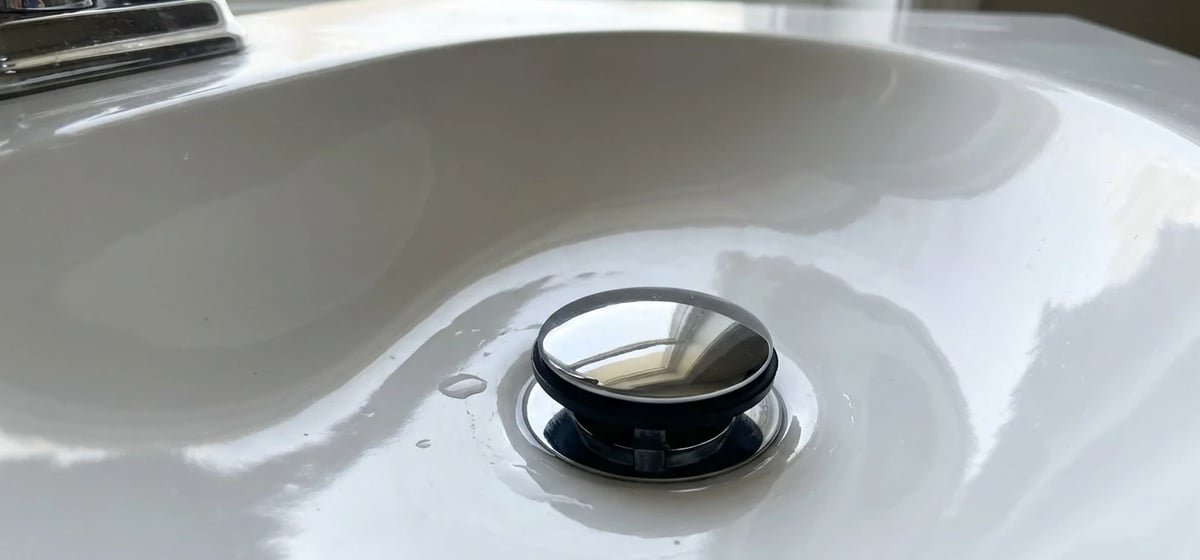
A drain stopper is a small plug inside your sink or bathtub that holds the water in the bowl. You will usually operate it by pulling a small rod behind the faucet or pressing down directly on the plug. Plumbers created this simple device in the early 1900s to replace loose rubber plugs. The name simply describes its function of stopping water from draining away. Today, almost every bathroom sink and tub has one. It keeps your water where you want it. It also catches hair and soap scum before they go deep into your pipes. You will need to clean it out regularly to prevent clogs.
Types of Drain Stoppers
You will find a few common types of drain stoppers in your home.
- Pop up stoppers: These connect to a lift rod behind your sink faucet. You pull the rod up to close the drain and push it down to open it.
- Push and pull stoppers: You press down on the center of the stopper to close it. You pull it back up to let the water out.
- Toe touch stoppers: These sit in your bathtub. You step on them with your toe to push them closed. Another tap with your toe pops them open.
- Lift and turn stoppers: You lift the small knob on top and twist it to lock the drain open. You twist it back to drop it down and seal the drain.
Why It Matters to You
Your drain stopper does more than just hold water for a bath or a shave. It acts as the first line of defense for your Plumbing system. Hair, toothpaste, and soap easily stick to the rod and plug under the surface. If you ignore a dirty stopper, water will drain very slowly. Eventually, that buildup creates a hard clog deep in your pipes. A stuck or broken stopper can also cause water to leak out of the bowl when you are trying to soak clothes or take a bath.
A slow draining sink is a nuisance. It leaves a ring of dirty scum around your sink bowl every time you brush your teeth. If you leave the house with the faucet running and the stopper accidentally closed, you could overflow your sink. This leads to severe water damage on your floors and drywall. If you are learning about Your First Year as a Homeowner, knowing how to clear your own drains will save you a lot of money and stress.
How to Clean and Fix Your Stopper
Cleaning a bathroom sink pop up stopper takes just a few minutes. Look under your sink for a horizontal metal rod going into the drain pipe. You will see a small nut holding this rod in place. Unscrew that nut with your fingers or a pair of pliers. Pull the rod back slightly. You can now lift the stopper straight out of the sink bowl. Wipe away all the gross hair and slime with an old rag or paper towel. Do not wash this gunk down the open drain. Throw it in the trash. Drop the clean stopper back into the hole. Push the metal rod back in so it catches the loop at the bottom of the stopper. Tighten the nut back onto the pipe. Run some water to make sure nothing leaks under the sink.
Bathtub stoppers are even easier. For a push and pull style, you just hold the bottom part still and unscrew the top knob. Once the knob is off, you can use a screwdriver to take out the brass post in the middle. The whole stopper comes right out. Clean it off and screw it back in. If the rubber gasket looks cracked or feels hard like plastic, you should buy a replacement gasket.
Common Problems and Costs
Drain stoppers break or wear out over time. The rubber seal on the bottom can dry out and crack. The metal connecting rods under your sink can rust and snap. When this happens, you will need to replace the parts.
You can buy a new drain stopper kit at a hardware store for 15 to 30 dollars. Replacing it yourself takes about an hour. If you decide to hire a plumber, expect to pay 100 to 250 dollars for the visit and the parts. Prices vary based on your location and the finish of your fixture. If you are reading up on What Home Repairs Cost, fixing a sink drain is usually one of the cheapest projects. Sometimes the issue is not the stopper itself but a massive clog beneath it. If a plumber needs to snake the main drain line, that service costs 150 to 300 dollars.