What is a Drip Edge?
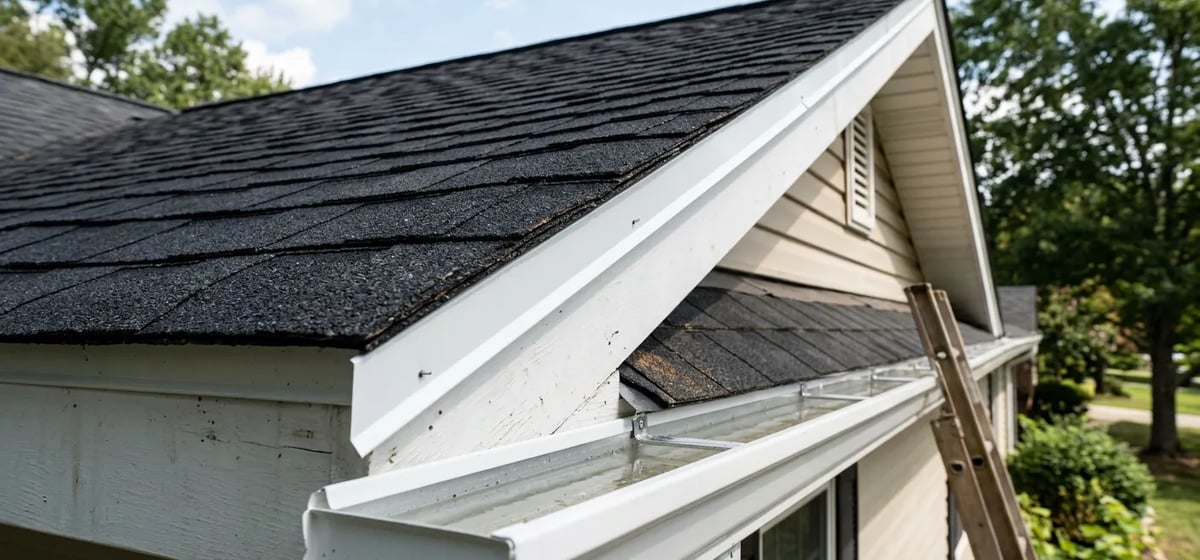
A drip edge is a simple piece of metal that does a huge job. It sits right at the very edge of your roof. Roofers slide the top flat part under your shingles and roofing paper. The bottom part bends down over the edge of your roof deck. This creates a small, sharp metal lip. When rain runs down your roof, this lip forces the water to drop straight down into your gutters. Without it, water does not just fall off the edge. Surface tension makes the water curl back underneath your shingles. It then soaks right into the wood that holds up your roof. Over time, that constant soaking leads to serious rot and expensive repairs.
Why It Matters for Your Home
You might not notice a drip edge from the street. However, it protects some of the most vulnerable parts of your home. It keeps water away from your fascia board. The fascia is the long wooden board your gutters attach to. It also protects your roof deck. The deck is the plywood layer right under your shingles. If water gets into these areas, the wood acts like a sponge. It rots out completely. You can learn more about how all these parts work together in our Roofing guide.
A good drip edge does more than just handle rain. It also seals the tiny gap between your roof deck and your fascia board. This gap is a common entry point for pests. Sealing it keeps bugs, bats, and small animals out of your attic. By pushing rain far away from the side of your house, the drip edge also helps protect your Exterior: Siding, Garage & Decks from constant water exposure and mold.
Signs Yours is Failing or Missing
Many older homes do not have a drip edge installed. Building codes did not always require them. If your home is missing this metal strip, you might start seeing problems. You should walk around your house and look closely at your roof line.
- Look behind your gutters for peeling paint or dark water stains on the wood.
- Check for soft or crumbling wood right at the edge of your roof line.
- Watch for shingles that are drooping into the gutters because the wood underneath them has rotted away.
- Look for small animals or wasps going in and out of the gap behind your gutters.
What Does It Cost?
Roofers usually install a new drip edge when they replace your entire roof. If you add it during a full roof replacement, the material cost is quite low. The metal itself usually costs 1 to 3 dollars per linear foot. Aluminum is the most common material and it is very affordable. Galvanized steel and copper cost more but last longer.
If you need a roofer to add a drip edge to your current roof, the labor costs go up. The roofer has to carefully lift up your existing shingles. Then they slide the new metal underneath the roofing paper and nail it down. Finally, they have to seal the shingles back into place. For a retrofit job like this, you can expect to pay 5 to 15 dollars per linear foot installed. Keep in mind that prices vary greatly based on where you live and the height of your roof. If you need to hire someone to fix your roof edge, review our tips on Hiring Contractors & What Things Cost so you know what to expect.