What is an Energy Recovery Ventilator?
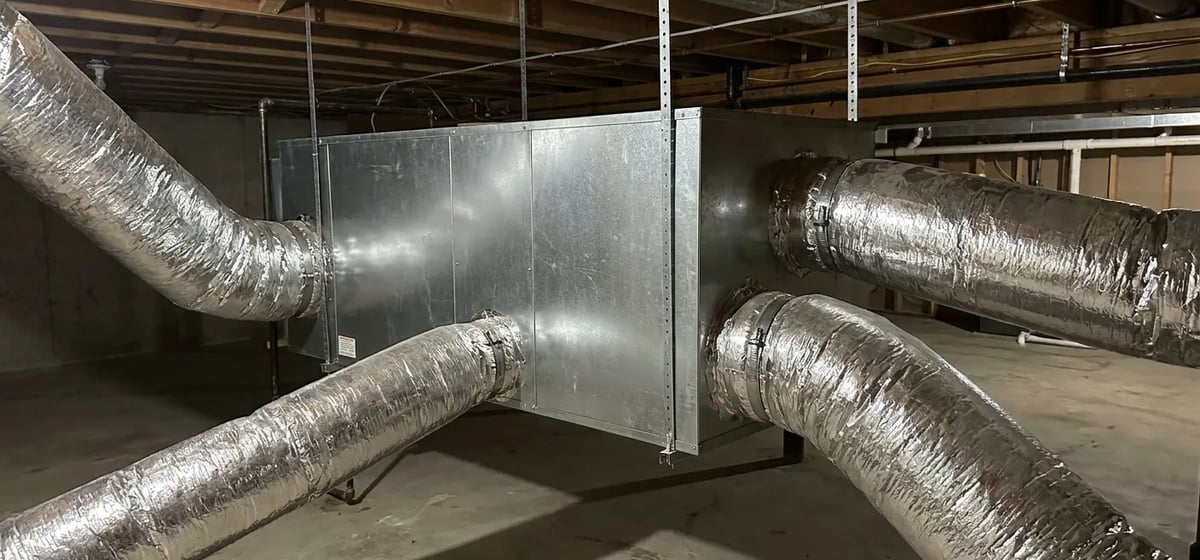
An Energy Recovery Ventilator is a machine that breathes for your house. We often just call it an ERV. Modern homes are built very tight to save energy and stop drafts. Because of this tight seal, stale air gets trapped inside. An ERV fixes this problem. It pulls fresh air in from the outside and pushes stale air out of your house.
It does a special trick along the way to save you money. Inside the machine, the two air streams pass by each other without mixing. The core of the machine transfers heat and moisture from the outgoing air to the incoming air. The concept of mechanical ventilation goes back to early industrial fans from the 1900s. The modern heat and moisture exchange core was developed in the 1970s to save energy during the oil crisis.
Why it matters to you
You want fresh air in your home to stay healthy. Opening a window works, but it lets out all your heated or cooled air. This makes your heating and cooling system work much harder. It also drives up your utility bills. An ERV captures the energy you already paid for.
In the winter, the warm air leaving your house heats up the freezing cold air coming in. In the summer, the cool air leaving your house cools down the hot air coming in. The ERV also transfers moisture. This keeps your home from getting extremely dry in the winter or sticky and humid in the summer.
Running an ERV helps clear out bad smells and odors from cooking, pets, or wet bathrooms. It also dilutes indoor pollutants and environmental hazards like fumes from new paint or cleaning chemicals. It gives you a constant supply of fresh air without ruining your indoor comfort.
How much does it cost?
Adding an ERV to your home is a major upgrade. Prices range from 1,500 to 3,500 dollars for the unit and professional installation. Keep in mind that ranges vary based on where you live and how your house is built.
If your home already has central ductwork, the job is usually straightforward. The installer will connect the ERV directly to your existing system. If you don't have ducts, you might need a ductless ERV. These cost a bit less to install but they only ventilate one or two specific rooms.
You'll also have ongoing maintenance costs. You need to replace the filters every 3 to 6 months to keep the air flowing freely. New filters cost between 20 to 60 dollars each depending on the brand.
What to watch for
An ERV only works well if you take care of it. The filters trap dust, pollen, and bugs before they reach the delicate core. If you let the filters get clogged, the machine has to work much harder. This wastes electricity and shortens the life of the unit.
Here is what you need to do to keep your unit running well:
- Check the filters at least four times a year and replace them when they look dirty.
- Clean the core once a year. Most cores slide right out so you can gently vacuum them.
- Inspect the outside vents in the fall and winter. Make sure leaves, ice, or snow don't block the fresh air intake.
- Listen for strange rattling noises. This can mean the fan motor is starting to fail.
If you are ever confused about how to clean the core, a professional can do it for you. You can ask them to check the ERV when they service your HVAC & Climate Control system.