What is EPDM?
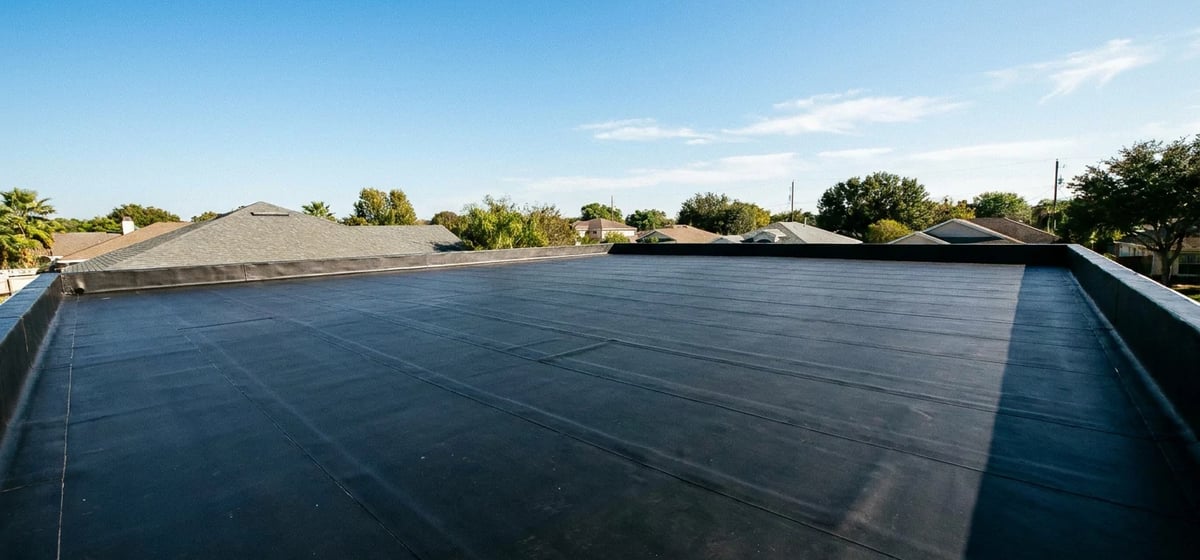
EPDM is a tough rubber membrane that roofers use to cover flat or low slope roofs. It rolls out in large black or white sheets. Roofers glue it down or nail it in place to keep water out of your home. You'll also see this material used to seal around skylights and roof vents. EPDM stands for Ethylene Propylene Diene Monomer. Scientists developed this synthetic rubber in the 1960s. They wanted to create a flexible material that can handle extreme heat and cold without cracking.
This rubber is very different from standard asphalt shingles. It feels like a thick inner tube from a bicycle tire. Because it comes in large rolls, it covers a lot of space with very few seams. Fewer seams mean fewer chances for water to sneak inside your house.
Why it matters to your home
If you have a flat roof over a porch, garage, or home addition, water doesn't drain off quickly. Standard shingles need a steep slope to shed rain. If you put shingles on a flat roof, water will back up under them and rot your wood. EPDM solves this problem because it creates a solid, waterproof seal.
This material is built to last. A well installed EPDM roof can easily survive 20 to 30 years. It fights off damage from the sun, heavy rain, and freezing snow. It also expands and contracts as the weather changes. This flexibility stops the roof from tearing when your house naturally shifts over time. If you want to learn more about different roof types, check out our guide on Roofing.
Where you'll run into it
You'll mostly hear about this rubber when dealing with roof repairs or home additions. However, it shows up in a few other places around your property.
- Flat and low slope roofs: This is the most common place. Carports, modern flat roof houses, and sunroom additions often use this material.
- Skylights and chimneys: Roofers sometimes use small pieces of this rubber as flashing. It helps seal tricky corners where metal flashing might not bend easily.
- Gutters and valleys: Sometimes contractors line wide, built up gutters with this rubber to stop hidden leaks.
- Pond liners: If you have a decorative koi pond or water feature in your yard, the heavy black liner holding the water is often made of the exact same rubber.
Costs and what to watch for
Replacing an EPDM roof is usually cheaper than installing metal, but it costs more than basic asphalt shingles. For a typical installation, you can expect to pay $4 to $8 per square foot for the material and labor. A standard flat garage roof might cost $1,500 to $3,500 to replace. Keep in mind that prices and ranges vary based on where you live and how much old roofing needs to be torn off. If you're hiring someone for this job, read up on Hiring Contractors & What Things Cost.
While this material is incredibly tough, it isn't perfect. You need to watch out for a few common issues as the roof ages.
- Shrinkage: Over many years, the rubber can slowly shrink. This pulls the material away from the edges of your roof or chimney.
- Seam failures: The glue holding the large sheets together can dry out and peel up. Water can easily blow under a loose seam during a bad storm.
- Punctures from falling branches: Heavy tree limbs can tear the rubber. If you see a hole, you need to fix it fast to avoid Home Emergencies like a flooded ceiling.
The good news is that repairing this rubber is very easy. A roofer can clean the torn area, apply a special primer, and stick a rubber patch right over the hole. It works just like patching a tire.