What Is An Expansion Joint
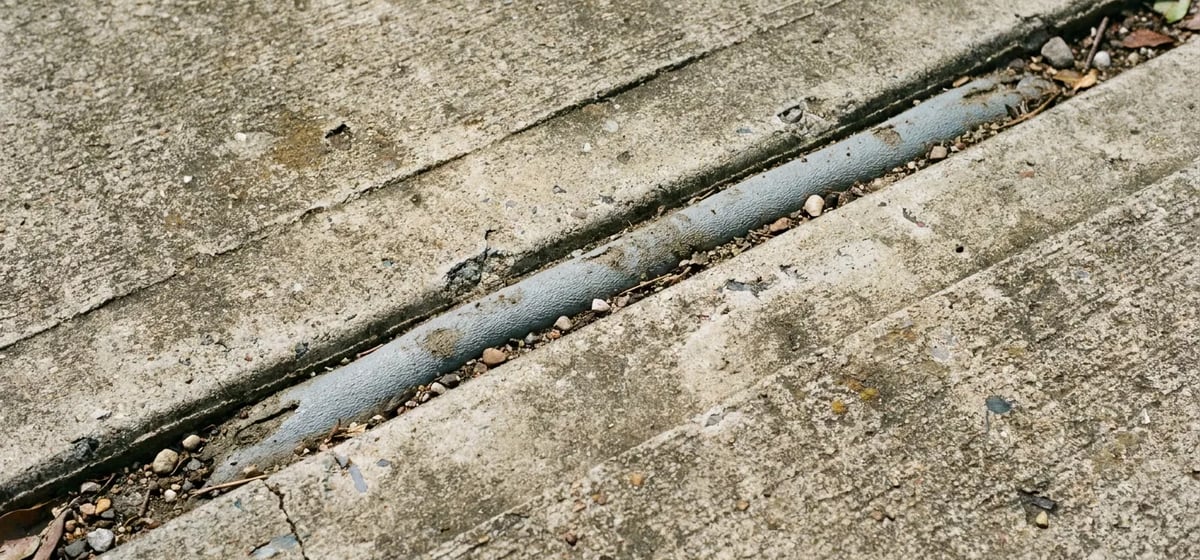
Concrete feels like solid rock, but it actually moves quite a bit. It expands when the sun beats down on it and shrinks when cold winter weather rolls in. An expansion joint is a flexible gap left between large slabs of concrete to handle this movement. You will usually see these straight lines filled with rubber, wood, or a specialized caulk. This small space gives the concrete room to spread out in the summer heat so it does not crack under the extreme pressure.
The word expansion comes from the Latin word expandere, which simply means to spread out. Concrete engineers started using these intentional gaps back in the early 1900s. They quickly realized that pouring large, solid slabs of concrete always led to major cracks due to seasonal temperature shifts.
Why It Matters To You
If your concrete does not have room to expand, it will push against whatever is in its way. Sometimes it pushes against another slab. Other times it pushes directly against your house. This intense pressure causes ugly cracks, crumbling edges, and uneven surfaces that can trip your family or guests.
Fixing a huge, cracked driveway slab is a very expensive headache. A simple flexible joint saves you from that massive repair bill. It acts like a shock absorber for your concrete surfaces. When the ground freezes and thaws, the joint compresses and stretches so the hard concrete does not have to.
Where You Run Into It
You will spot these flexible gaps all around the exterior of your property. Look down at your driveway, and you will see lines running across it to divide the big pour into smaller squares. You will also see them in your garage floor or your basement floor.
Walk around your house and look at the sidewalk or the patio in your backyard. You will often see an expansion joint right where a concrete patio meets the side of your house. This specific gap protects your Foundation & Structure from getting crushed by the moving patio. You will also see these joints around Pools & Hot Tubs where the concrete pool deck meets the plastic or tile pool edge.
Some homes also have expansion joints hidden inside. If you have a very long house, your builder might have placed an expansion joint in the main floor slab. You will not usually see this because your carpet or hardwood covers it up. However, if you ever plan to install brand new tile, your flooring installer will need to know exactly where this joint sits. Hard tile laid directly over an active expansion joint will snap in half the first time the concrete shifts.
What To Watch For
The flexible material inside the joint breaks down over time. Old builders often used strips of wood to fill the gaps, and that wood eventually rots away. Modern rubber strips shrink and crack from sun exposure. Liquid caulk eventually dries out and peels up.
When the filler fails, water gets inside the empty gap. In the winter, that trapped water freezes and expands. This ice pushes the concrete up and causes severe damage. Dirt also blows into empty joints. Weeds love to grow in this dirt, and their thick roots can lift your concrete slabs. You should walk your property every fall and look for these warning signs:
- Weeds or grass growing out of the concrete lines.
- Missing, splintered, or rotting wood strips.
- Cracked rubber seals that pull away from the concrete edges.
- Water pooling inside the gaps after a heavy rainstorm.
If you catch the problem early, fixing your joints is an easy weekend project. You can buy tubes of special self-leveling concrete caulk at any hardware store. A single tube usually costs 10 to 15 dollars. If you skip the DIY route and look into Hiring Contractors & What Things Cost, expect to pay a professional 200 to 500 dollars to clean out and reseal the joints in an average driveway. Keep in mind that real costs vary based on where you live and the total length of the cracks you need filled.