What It Is and Where It Came From
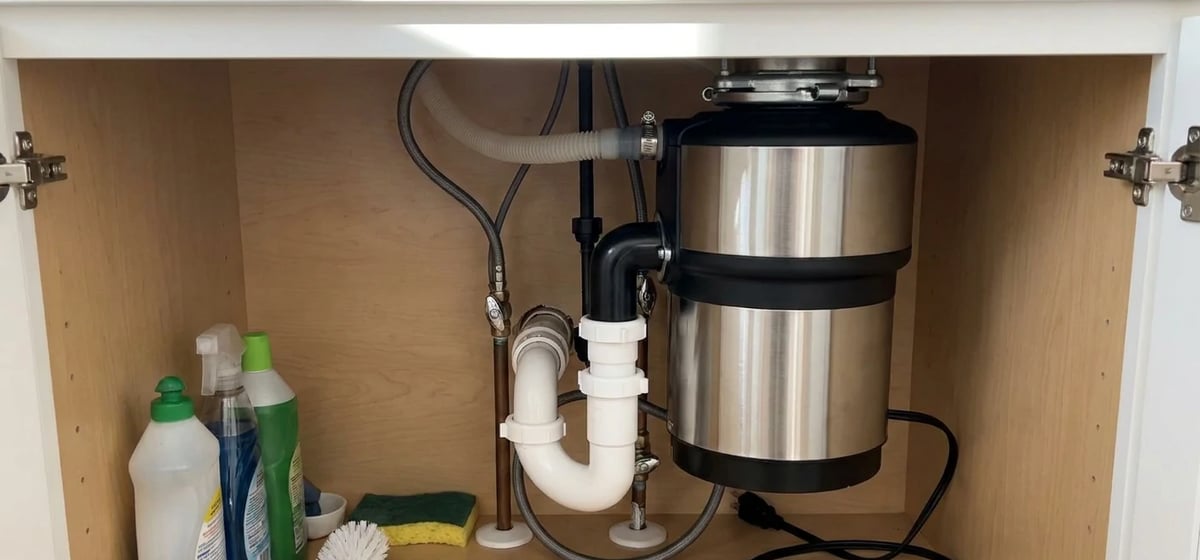
A garbage disposal is an electric appliance mounted right under your kitchen sink. It shreds food waste into tiny pieces. The ground up food then passes safely through your plumbing and out to the local sewer system. You'll turn it on using a wall switch while running cold water to help wash the particles down the drain. An architect named John W Hammes invented the first motorized food waste disposer in 1927 for his wife. He later founded the InSinkErator company to manufacture and sell the device to the public. Today, it's a common feature in most modern kitchens.
How It Connects to Your Home
The unit hangs from the sink drain and connects directly to your home Plumbing system. Inside the disposal, there's a flat plate covered with metal teeth. When you flip the switch, a heavy motor spins this plate at a very high speed. The food gets forced against a stationary grind ring that breaks it down into a paste. The water you run from the faucet flushes this paste out of the disposal and into the drainpipe. The disposal also has a special port on the side where your dishwasher drain hose connects. This lets the dishwasher pump dirty water and small food scraps straight into the disposal.
What to Avoid Putting Down the Drain
Many people think a garbage disposal acts like a blender that can handle anything. This is a common mistake that leads to clogs and broken motors. You should only use it for soft food scraps left over from scraping your plates.
- Don't grind coffee grounds, eggshells, or potato peels. These turn into a thick paste that clogs pipes.
- Avoid stringy foods like celery, corn husks, and onion skins. The fibers wrap around the spinning parts and jam the motor.
- Never pour cooking grease or fat down the disposal. The grease will cool, harden, and create a solid block in your drain.
- Keep non-food items like glass, plastic, and metal far away from the sink opening.
Routine Care and Fixing Jams
Taking care of your disposal is easy, and you just need to keep it clean and run it regularly. If you notice bad Smells & Odors coming from the sink, you can grind up a few lemon peels or ice cubes. The ice knocks stuck debris off the grind ring, and the citrus oils freshen the air. Sometimes the motor will jam if a hard object like a bone gets stuck inside. When this happens, the disposal will make a loud humming noise and then shut off automatically to prevent an electrical fire.
You can fix most jams yourself without calling a plumber. First, make sure the wall switch is completely off. Take a standard Allen wrench and insert it into the small hole at the bottom center of the disposal unit under the sink. Crank the wrench back and forth to manually turn the motor and free the stuck item. Once the jam is clear, press the small red reset button on the bottom of the unit before turning the switch back on.
Replacement Costs and Hiring a Pro
Like all Appliances, garbage disposals eventually wear out from daily use. A high quality unit usually lasts 10 to 12 years before the internal seals fail. If yours starts leaking water from the bottom casing or the motor simply burns out, you'll need to replace the entire unit. You can't easily repair a cracked disposal body. A new garbage disposal costs 100 to 300 dollars at a local hardware store. The final price depends heavily on the motor size, the noise insulation features, and the brand name. If you hire a licensed plumber to install it, expect to pay another 150 to 250 dollars for their labor. Total replacement costs normally fall between 250 and 550 dollars. Keep in mind that these ranges vary based on where you live and the specific model you choose for your kitchen.