What Is A Header?
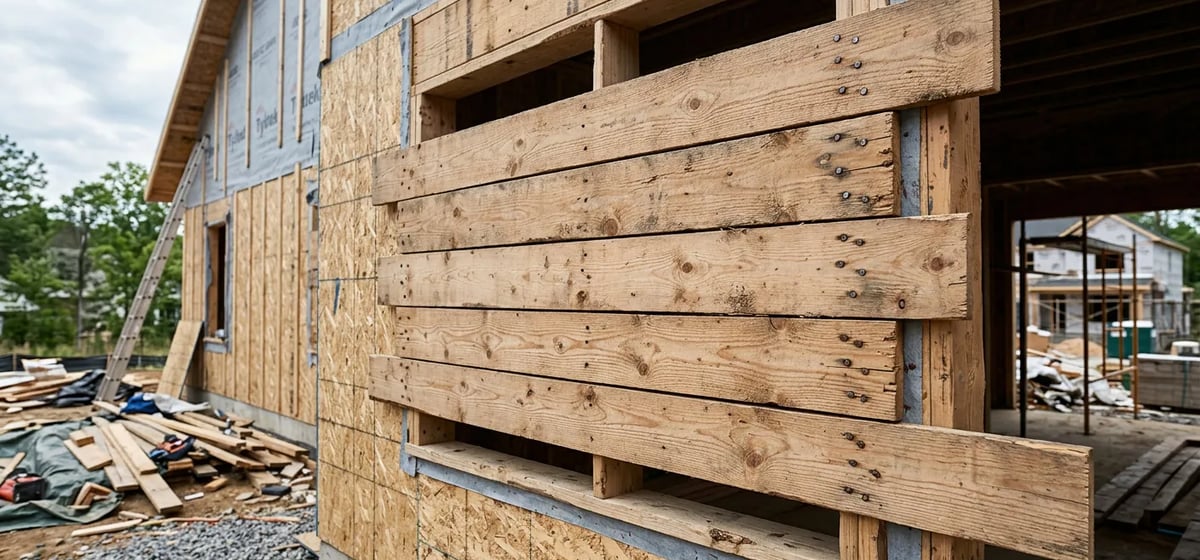
A header is a thick wooden beam. It sits horizontally over a door or a window. When builders frame a house, they use vertical boards called studs to hold up the roof. To make a hole for a window, they have to cut those studs. The header goes across the top of that hole. It takes the weight from the roof above and pushes it down the sides of the window. This keeps the wall strong.
The size of the header depends on how wide the opening is. A standard single door might just need two pieces of two-by-four wood nailed together. A wide garage door needs a massive beam made from engineered wood or steel. The wider the gap, the thicker the header must be.
Why It Matters To You
You might not think about headers because they hide behind your drywall. But they do a huge job. Without a strong header, the weight of your house would press directly down on your window frame. Over time, the frame would sag. Your doors would stick. Your window glass could even shatter from the pressure.
If you are planning a remodel, headers are a big deal. You cannot just knock a hole in a wall without putting a header above it. If the wall is load bearing, taking out a header can cause serious structural damage. You can read more about how your house stands up in our guide to Foundation & Structure.
Where You Run Into It
You usually run into headers when you want to change your home layout. Maybe you want to put in a wider front door. Maybe you want to add French doors to your back patio. To do this, a contractor has to open the wall and install a longer, thicker header. You will also see header issues if you are replacing old windows. If the old header is rotting or sagging, the installers have to fix it before they put the new window in.
Upgrading a header adds to your total cost. A basic window replacement might cost 500 to 800 dollars. But if the contractor has to reframe and install a new header, expect to pay an extra 300 to 600 dollars per window. Keep in mind that prices vary based on your location and the size of the beam. You can learn more about window projects in our Windows & Doors section.
You might also hear about headers during a home inspection. If a previous owner did a DIY remodel and took down a wall without adding a proper header, the inspector will flag it. Fixing a missing header is not a cheap job. It requires opening the drywall, supporting the ceiling temporarily, putting in the beam, and fixing the wall. A small job like this usually costs 800 to 1500 dollars. Prices vary depending on the finish work needed. If you are curious about when to hire help for this, check out our guide on DIY vs. Hiring a Pro.
What To Watch For
Headers are built to last a long time. But they can fail. Water leaks are the biggest threat. If water gets behind your siding, it can rot the wood beam. Termites and carpenter ants can also eat away at the header. Here are a few signs that a header is failing:
- Your door rubs against the top of its frame when you open it.
- You see diagonal cracks in the drywall above the corners of a window.
- Your window gets very hard to slide up and down.
- The ceiling directly above the window starts to dip.
If you notice these signs, do not ignore them. A sagging header only gets worse over time. Eventually, it will crush the door or window below it. You will need to hire a carpenter or a structural engineer to look at the problem. They can tell you if the beam needs to be replaced or just reinforced. Catching a bad header early saves you from replacing expensive glass later.