What is hazard insurance?
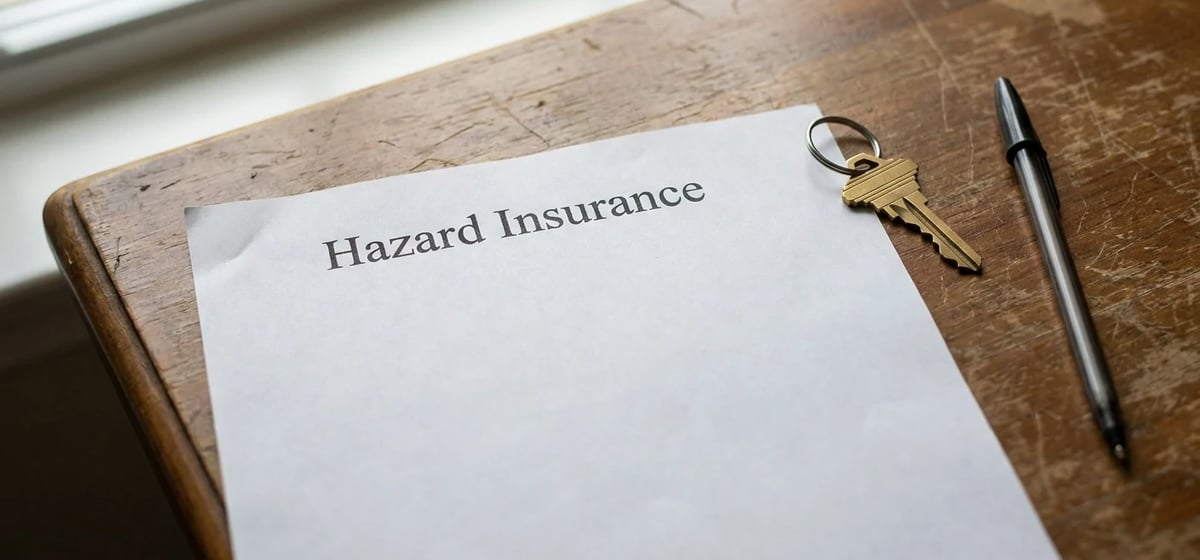
When you buy a house, you hear a lot of new terms. Hazard insurance is one that often confuses people. It sounds like a special policy you have to buy. In reality, it's just the core part of your standard Home Insurance policy. It's the specific section that pays to repair or rebuild the physical structure of your home if a disaster strikes.
Your main policy has different buckets of coverage. One bucket covers your personal belongings, like your couch and TV. Another bucket covers liability in case someone slips on your driveway and sues you. The hazard bucket is strictly for the building itself. This includes the walls, the foundation, the roof, and attached structures like a garage.
What this coverage actually protects
This coverage steps in when sudden, accidental events damage your home. Insurance companies call these events perils. A standard policy usually covers a specific list of these perils.
- Fire and smoke: This covers everything from a small kitchen fire to a massive wildfire.
- Wind and hail: This pays out if a heavy storm tears off your shingles or damages your siding.
- Lightning strikes: This covers damage if a bolt hits your house and starts a fire or fries your home systems.
- Vandalism and theft: This pays to fix broken doors, smashed windows, or graffiti.
- Falling objects: This covers you if a dead tree crashes into your Roofing during a storm.
Why your lender requires it
If you borrowed money to buy your house, your lender has a massive financial stake in the property. The house serves as the collateral for your loan. If the house burns to the ground, the lender wants to know there is money available to rebuild it. That's why they require you to carry hazard insurance.
When you apply for Mortgages, the bank will ask for proof of this coverage before they approve the loan. They will also make sure you keep the policy active for as long as you owe them money. To guarantee the bill gets paid, most lenders collect a portion of your yearly premium every month. They hold this money in an escrow account and pay the insurance company directly when the bill is due.
What you can expect to pay
Since hazard insurance is bundled into your main homeowners policy, you won't see a separate price tag for it. Instead, you pay one total premium. Across the United States, a standard homeowners policy usually costs 1,200 to 2,500 dollars per year. The hazard coverage makes up the largest chunk of that bill.
Keep in mind that these prices vary widely. Your actual cost depends on your location, the age of your home, and the cost of local construction materials. If you live near the coast where hurricanes are common, your premiums will be much higher. If you live in a low-risk area with a brand new roof, you will likely pay less. You can lower your yearly cost by choosing a higher deductible, which is the amount you pay out of pocket before the insurance kicks in.
You should review your coverage limits every few years. As construction costs go up, the amount of money it takes to rebuild your home increases. You want to make sure your hazard coverage limit matches the current cost to rebuild your house from the ground up.
How to use your coverage
If a storm damages your house, you need to act fast. First, make sure your family is safe. Then, do what you can to prevent further damage. For example, you might need to throw a tarp over a leaky roof or turn off your main water valve. Insurance companies expect you to take these basic steps.
Next, take clear photos and videos of all the damage. Do this before you move any debris. Call your insurance agent or use their app to start a claim. The company will send an adjuster to your home. This person will inspect the damage, review your photos, and write up an estimate. Once the claim is approved, the insurance company will issue a check so you can hire contractors to start the repairs. If you have a mortgage, the check might be made out to both you and your lender.