What Is a Heat Sequencer?
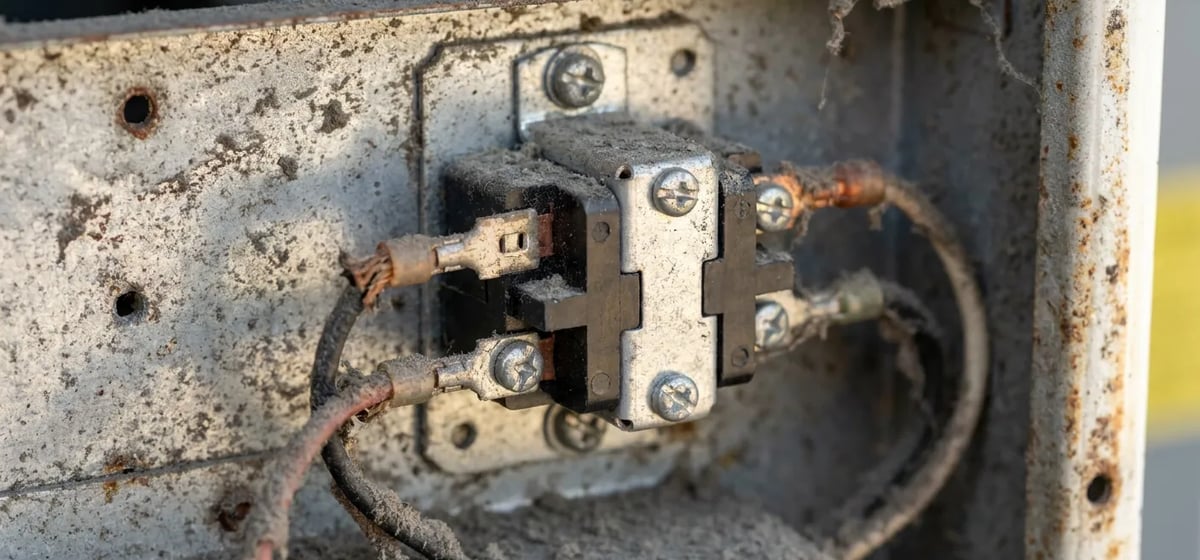
A heat sequencer is a small electrical switch hidden inside your electric furnace. It has a very specific job. It turns the heating coils on one at a time instead of all at once. Engineers developed this component in the mid twentieth century as electric furnaces became common in homes. The name comes from the Latin word sequi. This means to follow. It perfectly describes how the heating coils turn on in a sequence.
Think of your furnace like a giant toaster. It uses thick wire coils to create heat. If your furnace tried to turn on all its coils at the exact same time, it would demand a massive amount of electricity. The heat sequencer prevents this. It uses a small built in heater to slowly bend a piece of metal inside the switch. As the metal bends, it closes different electrical contacts one by one. This staggers the power load over a few minutes. You can learn more about how your heating system works in our HVAC & Climate Control guide.
Why It Matters for Your Home
The sequencer protects your home electrical system from huge power surges. A standard electric furnace draws a lot of power. If all that power hit your electrical panel at once, it would easily overload the system. You would see your lights dim. You would also trip your main circuit breaker every time the heat kicked on.
By stepping the power up slowly, the sequencer keeps your electricity flowing smoothly. It also controls your blower motor. The sequencer makes sure the fan turns on only after the first heating coil gets warm. This stops the furnace from blowing freezing cold air into your rooms when it first starts up. It also keeps the fan running for a minute after the heating coils turn off. This pushes the last bit of warm air into your house instead of wasting it. Understanding this process helps you see how your Electrical system and heating equipment work together.
Signs of a Bad Heat Sequencer
Heat sequencers work hard every winter. Over time, the internal metal parts wear out or get stuck. When a sequencer fails, it usually causes very noticeable heating problems. You might notice one of these common issues.
- The furnace blows cold air because the heating coils never turn on.
- The blower fan runs non stop even when the thermostat is off.
- Your circuit breaker trips the moment the furnace starts.
- The house takes much longer to warm up because only some of the coils activate.
Repair and Replacement Costs
You will usually find out you have a bad sequencer when an HVAC technician comes to diagnose a broken furnace. The good news is that the part itself is very cheap. A new heat sequencer usually costs 20 to 50 dollars at a hardware store. However, you are mostly paying for the professional labor to diagnose the issue and install it safely.
If you hire a professional, expect to pay 150 to 300 dollars for the total repair. Prices and ranges vary based on your location, the time of year, and your specific furnace model. Emergency weekend calls will cost more. The repair takes less than an hour for an experienced technician. They will remove the old switch, attach the many wires to the new switch in the exact right order, and test the furnace. If you are curious about typical service fees, check out our guide on Hiring Contractors & What Things Cost.