What are HOA dues?
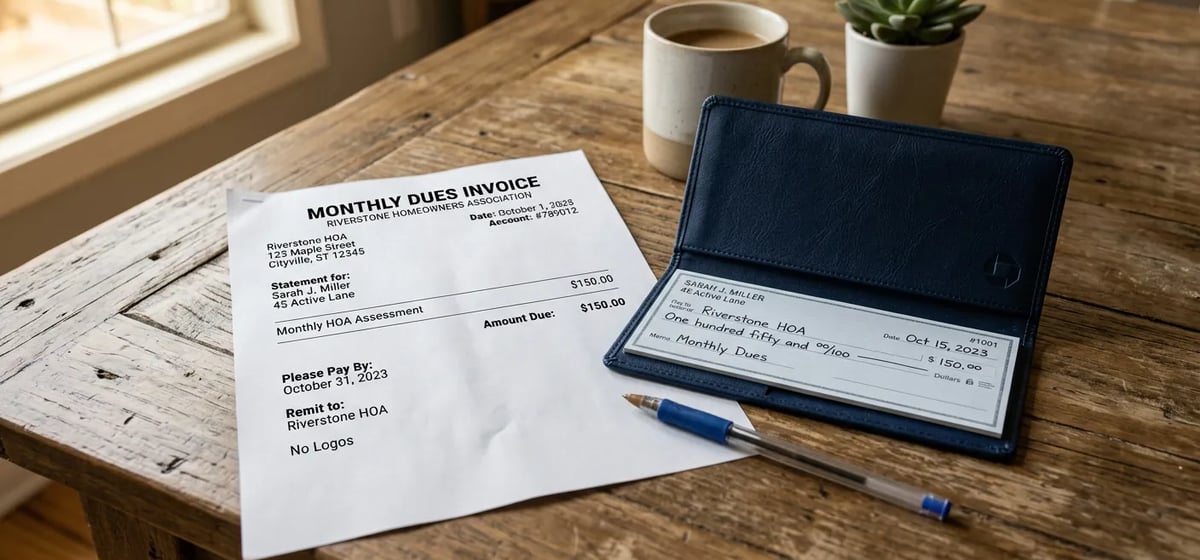
If you live in a planned neighborhood, you likely pay HOA dues. The acronym stands for Homeowners Association. The word dues comes from an Old French word meaning owed. These fees became standard in the 1960s when planned suburban communities grew popular. Today, they are a mandatory fee you pay to your neighborhood board every month or year. You agree to pay this money when you close on your house. It is a legal requirement tied to your property deed.
Where does the money go?
Your association uses this cash to pay for shared community items. A well-run board sets a clear budget each year. The money covers regular upkeep and builds a reserve fund for big future repairs.
Common things your dues cover include:
- Pool maintenance and lifeguard pay.
- Lawn care for parks and shared green spaces.
- Power bills for streetlights and neighborhood entrance signs.
- Snow removal for private community roads.
- Trash pickup if the city does not provide it.
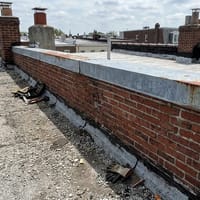
You will typically pay between 100 to 500 dollars a month, though ranges vary wildly by location. A neighborhood with a basic entrance sign will charge much less than a gated community with a golf course and private security. If you live in a condo or townhome, your dues might also cover the building roof and exterior siding.
Why they matter to your finances
You must factor these fees into your monthly budget. When you are looking into Buying a Home, your mortgage lender will look at the HOA dues to make sure you can afford the total monthly cost. These fees are not optional. You cannot opt out just because you never swim in the community pool or use the tennis courts.
If the neighborhood needs a major repair and the reserve fund is empty, the board can charge a special assessment. This is an extra one-time bill on top of your regular dues. For example, if the community clubhouse needs a new roof, every homeowner might get a surprise bill for 1,000 to 3,000 dollars. It is smart to review the neighborhood financials to see if the board has enough cash saved for emergencies. You can learn more about managing these costs in our guide to Property Taxes & Home Finances.
What to watch out for
HOA dues rarely stay the same forever. They usually go up over time. Inflation drives up the cost of landscaping, pool chemicals, and insurance. The board will vote on these increases, often at an annual meeting. You have the right to attend these meetings and see exactly how they spend your money.
If you run into financial trouble, talk to the board immediately. They might offer a payment plan. You should also read the community rules carefully so you know exactly what you owe and when it is due. For more details on living under community rules, check out our section on Neighbors & HOAs.