What a Limit Switch Does
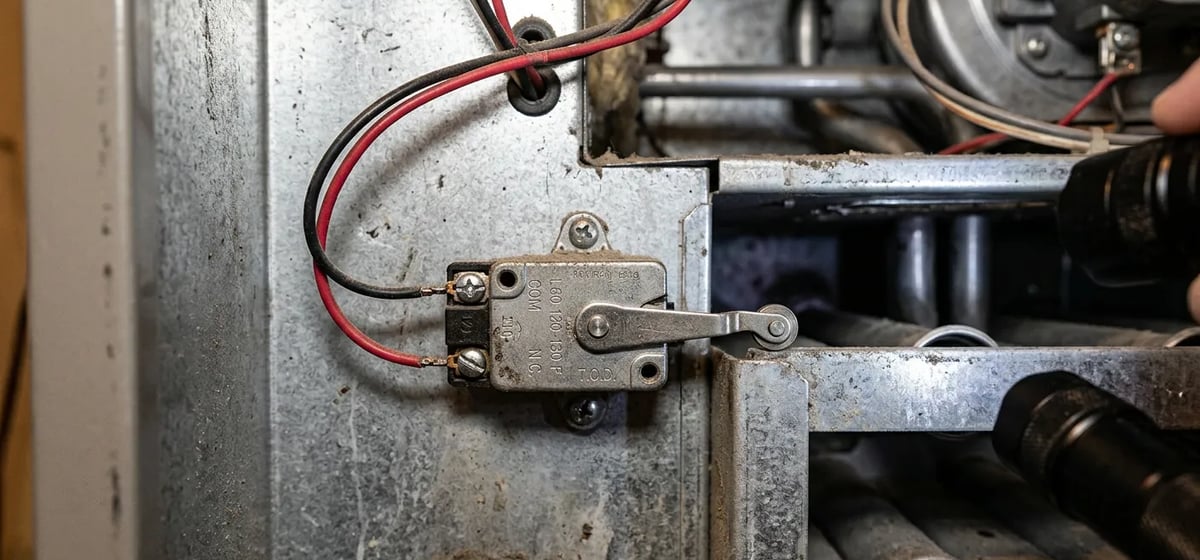
If you take the front panel off your furnace, you might see a small metal plate with a few wires attached to it. That is the outside of the limit switch. The important part is the probe hidden behind that plate. A limit switch is a small part with a big job inside your heating system. It sits just above the burners. A long metal probe reaches into the area where the air gets heated. This probe constantly measures the air temperature. The switch uses this temperature reading to control two main things.
First, it tells the blower fan when to turn on. When your thermostat calls for heat, the burners light up. The furnace waits a minute or two for the air inside to get warm. Once the limit switch feels that the air is warm enough, it turns the blower fan on. This pushes the warm air through your vents. It also keeps the fan running for a bit after the burners turn off. This helps push the last bit of warm air into your rooms so no heat goes to waste.
Second, it acts as a critical safety guard. If the air inside the furnace gets dangerously hot, the limit switch trips. It immediately shuts off the gas to the burners. This stops the furnace from overheating and keeps your home safe.
Why It Matters for Your Safety
Your furnace creates a massive amount of heat. Without a limit switch, that heat could build up to dangerous levels very quickly. Overheating causes serious damage to your heating system. It can easily warp or crack the heat exchanger. A cracked heat exchanger can leak deadly carbon monoxide gas into your home. This is why a working limit switch is so important for preventing Home Emergencies.
Overheating is a common problem in many homes. It usually happens when airflow is blocked. If you forget to change your air filter, the fan can't push enough air through the system. The heat gets trapped inside the furnace. The limit switch senses this trapped heat and shuts the system down before a fire starts. Regular maintenance keeps this safety feature working right. When a technician comes out for a fall tune up, they test the limit switch to ensure it trips at the exact right temperature.
Signs Your Limit Switch is Failing
Limit switches wear out over time. The constant heating and cooling cycle eventually takes a toll on the metal sensor. It expands and contracts thousands of times every winter. You'll usually notice a few clear signs when this part starts to fail.
- The furnace short cycles. Your furnace might turn on, run for a couple of minutes, and then turn off before your house gets warm. A bad switch trips too early because it wrongly thinks the furnace is overheating.
- The blower fan never stops. Some limit switches get stuck in the open position. When this happens, the switch thinks the furnace is always hot. It keeps the blower fan running, blowing cold air from your vents.
- The furnace won't turn on at all. Modern furnaces have safety lockouts. If the limit switch trips several times in a row, the furnace computer shuts everything down. You won't get any heat until a pro resets the system.
What It Costs to Replace
Replacing a limit switch is a fast and standard repair for any heating technician. The part itself is quite cheap. Most of what you pay goes toward the service call and the labor. You can expect to pay between $150 to $300 for a professional replacement. Keep in mind that price ranges vary based on your location, the time of year, and the brand of your furnace. Emergency weekend calls will always cost much more.
While you can buy the part online for $10 to $30, you should usually hire a pro for this job. You don't want to mess with the safety sensors on a gas appliance. You can learn more about finding the right technician in our guide to Hiring Contractors & What Things Cost. A pro will also check your HVAC & Climate Control system to make sure a bigger problem didn't cause the switch to fail in the first place.