What is a Line Set?
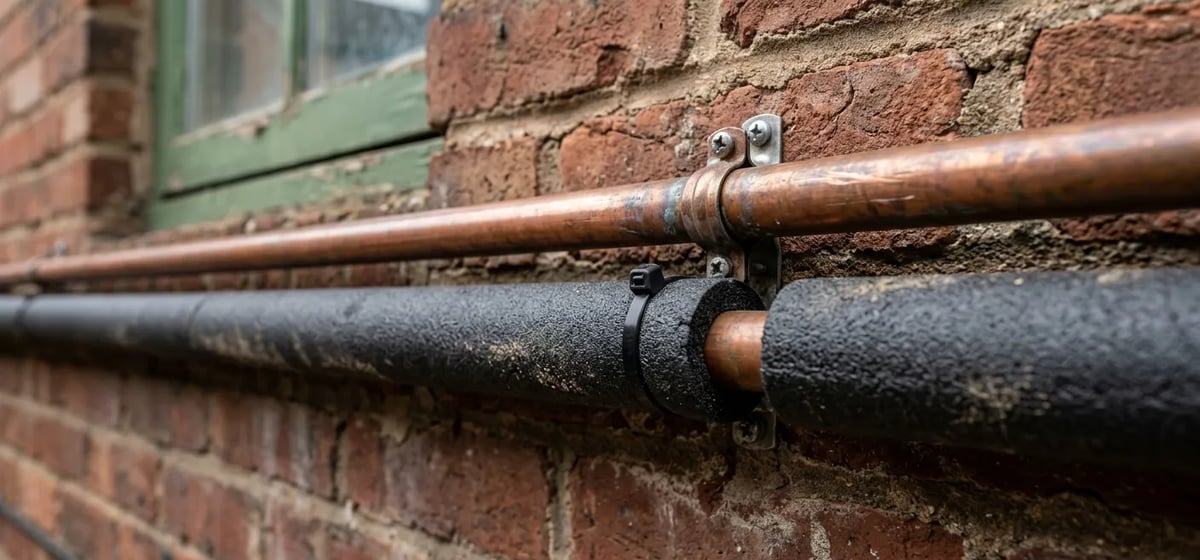
A line set is the pair of copper tubes connecting your outdoor air conditioner to your indoor unit. These tubes create a closed loop. They move chemical refrigerant back and forth to cool your home. The smaller tube is called the liquid line. It carries cold, high pressure liquid refrigerant inside. The larger tube is the suction line. It carries warm gas back outside to release heat.
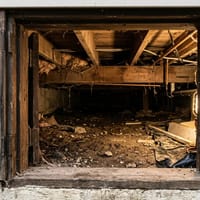
The term comes from the plumbing and heating trades in the early 1900s. Workers simply referred to paired pipes running together as a set of lines. You will usually see these pipes running up the outside wall of your house. They often connect to your HVAC & Climate Control system in the basement, crawlspace, or attic. The larger suction line should always have thick, black foam insulation wrapped around it. This foam keeps the pipe from sweating and helps your system run efficiently.
Why Your Line Set Matters
Your air conditioner cannot work without a healthy line set. If these copper pipes get damaged, your system loses refrigerant. This forces your outdoor compressor to work much harder to cool your house. A harder working compressor uses more electricity and burns out much faster.
The insulation on the larger pipe is just as important as the copper itself. If the foam tears or rots away from sun exposure, the cold pipe will attract moisture from the humid summer air. This moisture drips down your wall and can cause water damage or mold. Missing insulation also warms up the refrigerant before it reaches the outdoor unit. That means your air conditioner takes longer to cool your house and costs you more money on your utility bills.
Signs of Trouble
Line sets usually last a long time, but they are vulnerable to weather and accidents. Keep an eye out for these common issues as you walk around your yard:
- Missing insulation: Look at the pipes outside. If you see bare copper on the thicker pipe, you need to add new foam insulation. You can buy foam tubes with a slit down the side at any hardware store and slip them right over the pipe.
- Oil spots: Refrigerant contains a special oil that lubricates the system. If you see dark, greasy spots on the copper pipes or the surrounding concrete, you likely have a leak.
- Ice buildup: If the copper pipes freeze over in the middle of summer, your system is struggling. This often points to a refrigerant leak or a severely dirty air filter. Turn the system off right away to prevent permanent damage.
- Kinks or dents: Weed trimmers, falling branches, and playful dogs can easily dent the soft copper.
How to Protect Your Pipes
You can greatly extend the life of your line set by installing a plastic cover. These covers are often called line hide or slim duct. They screw directly into your exterior siding and completely encase the copper pipes. A hard plastic cover protects the fragile foam insulation from the sun. It also keeps the soft copper safe from lawn equipment and pests.
If you do not want to install a cover, you should at least wrap the foam insulation with special tape. The sun eats away at unprotected foam in just a few years. A tight wrap of weather tape will keep the insulation intact and prevent messy condensation drips.
Replacement and Costs
You do not need to replace your line set every time you buy a new air conditioner. A good technician can often flush the old copper pipes with a special solvent and reuse them. However, you must replace the line set if the old pipes are the wrong size for your new unit. You also need a brand new set if the old pipes have severe leaks, deep kinks, or corrosion.
Replacing a line set is never a do it yourself project. A professional must handle the hazardous chemical refrigerant and weld the new copper pipes together. The cost to replace a line set usually runs from 300 to 800 dollars. Prices vary based on how far the pipes need to travel and how hard it is to reach them. If the pipes run behind finished drywall, you will pay more for the extra labor and wall repairs.