What is a mansard roof?
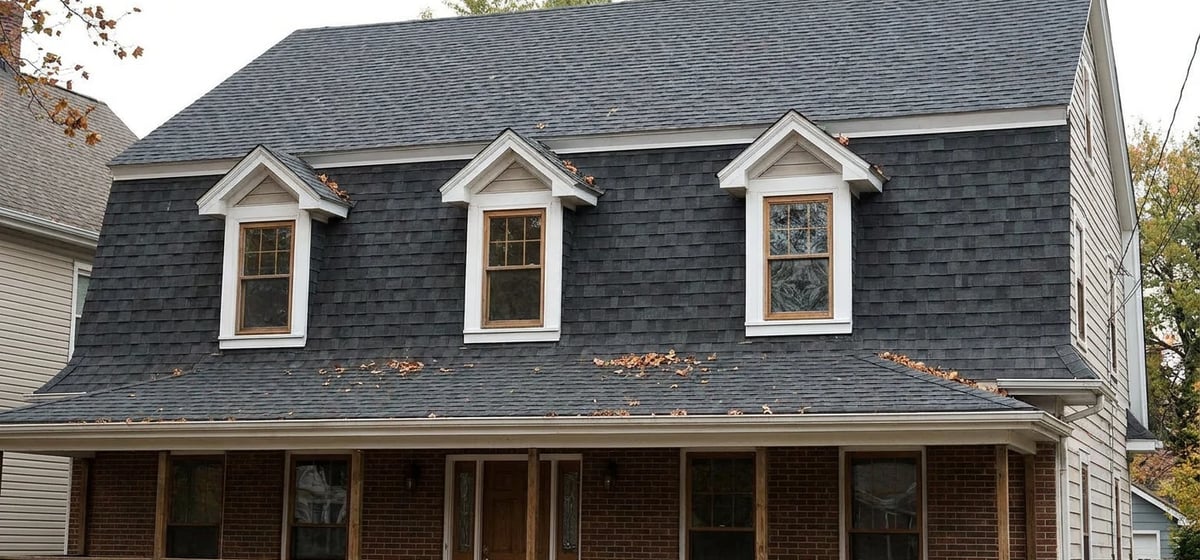
A mansard roof has four sides, and each side has two different slopes. The top slope is almost flat. The bottom slope is very steep and drops down over the sides of the house. You'll often see dormer windows built right into this steep lower section. This roof style is named after Francois Mansart. He was a French architect in the 1600s who made this design very popular in Paris.
Today, you'll find this style on older historic homes and some modern houses across the United States. It creates a unique look that stands out in any neighborhood. The design basically turns your attic into a full top floor. Instead of a dark storage space, you get a bright and usable room.
Many people confuse this style with a gambrel roof. A gambrel roof also has two slopes, but it only has two sides. A gambrel roof looks like a classic red barn. A mansard roof wraps all the way around the house on all four sides.
Why this roof style matters to you
The biggest benefit of a mansard roof is the extra living space. Because the lower slope is almost straight up and down, your attic gets normal ceiling heights. You don't have to bump your head on slanted ceilings like you would under a standard pitched roof. This makes it very easy to add an extra bedroom, a home office, or a playroom upstairs.
This roof style also makes future additions easier. If you want to build another floor later, the nearly flat top makes it simpler to frame and add on. Plus, the built-in windows bring a lot of natural light into that top floor. The steep sides also give you a great chance to show off decorative shingles or slate tiles. If you need to update the built-in windows, you can learn more about your options in our guide to Windows & Doors.
What to watch out for
Mansard roofs need a lot of care. You must pay attention to a few key areas to keep your home safe and dry:
- The flat top section collects standing water, leaves, and snow.
- Heavy snow can sit on top and put a lot of weight on your house frame.
- The joints around dormer windows are prime spots for water leaks.
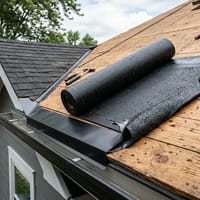
You have to clean your gutters and check the top slope often to make sure water is draining off the house properly. If you live in an area with heavy winters, you might need special waterproof membranes to keep the melting snow out of your attic.
You also have to maintain the dormer windows. You should inspect the metal flashing around these windows every year. A small leak here can rot the wood inside your walls before you even notice it.
Repair and replacement costs
Fixing or replacing a mansard roof costs more than a standard roof. The steep sides make the job dangerous, so roofers charge extra for labor and safety gear. The flat top also requires special materials that cost more than regular shingles. You can read more about standard roofing materials in our Roofing guide.
If you need to replace the whole roof, expect to pay a premium. Costs depend on where you live and the materials you choose, so ranges vary a lot. A full replacement usually costs $15,000 to $35,000 for an average home. If you use high-end materials like slate or copper on the steep sides, the price can easily climb over $50,000.
Routine maintenance is also an ongoing cost. Minor repairs to the flat top section or fixing flashing around a dormer window usually cost $300 to $1,000. You should budget for regular inspections to catch problems early. If you're planning a big repair project, check our guide on What Home Repairs Cost to help set your budget properly.