What is a MERV rating?
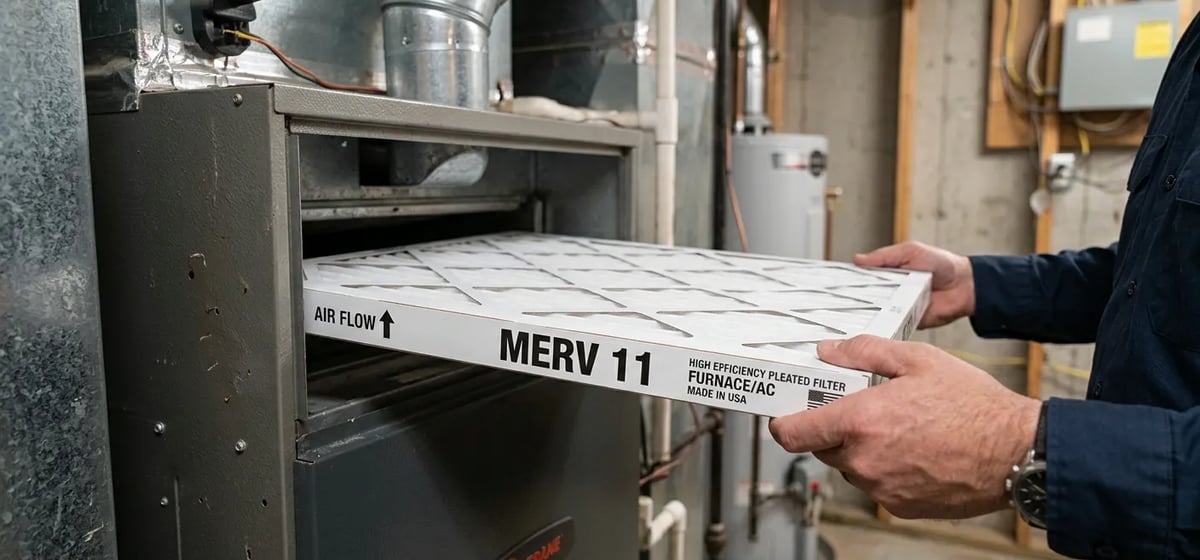
MERV stands for Minimum Efficiency Reporting Value. The American Society of Heating, Refrigerating and Air Conditioning Engineers created this rating scale in 1987. It is a number between 1 and 16 that tells you exactly how well your furnace or air conditioning filter catches dust, pollen, and other unwanted particles. A higher number means the filter traps much smaller particles to keep your indoor air cleaner. You will see this number printed clearly on the cardboard edge of almost any air filter you buy for your home.
When you start learning about HVAC & Climate Control, you will quickly find out that filters actually do two important jobs. They keep the air you breathe clean, but their primary job is to protect your expensive furnace equipment from dust buildup. The rating scale helps you balance clean indoor air with a healthy, efficient machine.
Why it matters to you
You might naturally think buying the highest possible rating is the best choice for your house. This is a very common mistake new homeowners make. A filter with a high rating has much smaller pores to catch tiny particles in the air. Because those holes are so small, your furnace fan has to work much harder to pull air through the thick filter material. If your HVAC system is not built to handle that kind of resistance, a high rating can cause serious and expensive problems.
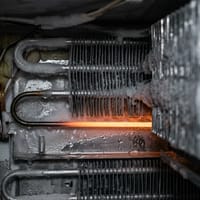
When your furnace works too hard to pull air through a dense filter, the blower motor can overheat and burn out. Your air conditioner coils might also freeze up during the summer because there is simply not enough airflow moving across them. Repairing a burned out blower motor can cost you anywhere from 400 to 1200 dollars. It is important to find the sweet spot for your specific system. You want a filter that catches pet dander and seasonal pollen without choking your expensive equipment.
The rating scale explained
Most residential homes need a filter rated between 5 and 11. Here is a simple breakdown of the scale so you know exactly what you are buying when you stand in the hardware store aisle:
- Ratings 1 to 4: These are cheap, thin fiberglass filters. They only catch large dust bunnies, lint, and bugs. They protect your furnace motor but do almost nothing for your indoor air quality. They usually cost 2 to 5 dollars each.
- Ratings 5 to 8: This is a great middle ground for most homes. These pleated filters catch mold spores, dust mites, and pet dander. They cost around 10 to 15 dollars each and keep your air decently clean.
- Ratings 9 to 12: These are the best choice if you have moderate allergies or multiple pets inside the house. They trap very fine dust and auto emissions from outside. They usually cost 15 to 25 dollars each.
- Ratings 13 to 16: These catch microscopic bacteria and fine smoke particles. They are mostly used in hospitals or special clean rooms. They cost 20 to 40 dollars each. Keep in mind that all filter prices vary based on the specific dimensions and the brand you choose.
When to change your filter
The rating you choose also directly affects how often you need to replace the filter. A higher rating means the filter gets clogged much faster because it catches a larger amount of fine dirt. If you use a filter rated 11 or 12, you should check it every single month to make sure light can still pass through it. If you live in an area prone to wildfires, you might read about Environmental Hazards and decide to use a higher rated filter temporarily to block the smoke. Just remember to replace it frequently so you do not block the airflow.
For a standard pleated filter rated 8, you can usually wait two to three months before swapping it out for a new one. The easiest way to stay on track is to write the date on the cardboard edge with a marker when you install it. Keep a few extra filters in your utility closet so you always have the right size and rating on hand when it is time for a change.