What Is Mudjacking?
Mudjacking is a common repair method used to lift a sunken concrete slab back to its original height. Over time, the dirt under your driveway, patio, or sidewalk can settle or wash away. This leaves empty pockets in the soil. Without support beneath it, the heavy concrete sinks and cracks.
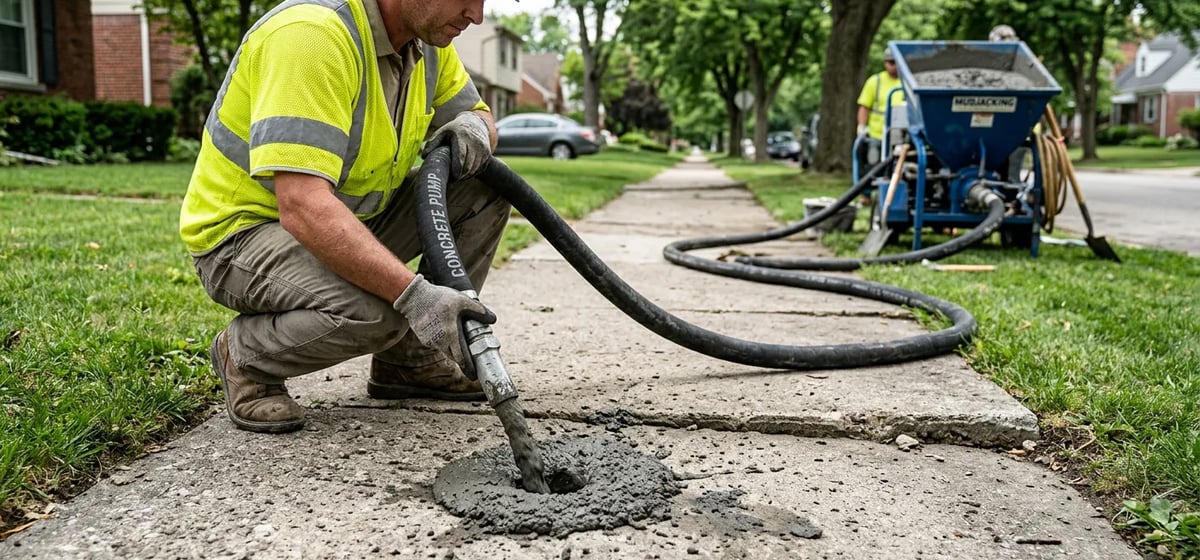
To fix this, a contractor drills small holes into the sunken concrete. They pump a thick mixture of water, dirt, and cement into these holes. This mixture is often called slurry. The heavy slurry fills the empty pockets in the dirt. As the space fills up, the pressure pushes the concrete slab back up to its proper level. Once the concrete is level again, the contractor patches the drill holes with fresh cement.
You'll often hear this term when you look into Foundation & Structure repairs. The phrase comes from mixing the word mud for the cement slurry and jacking for the lifting action.
Why It Matters To You
Sunken concrete is more than just an eyesore. It can create serious problems around your property.
- Trip hazards: Uneven sidewalks and driveway panels are dangerous for your family and guests.
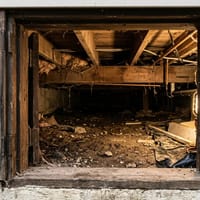
- Water damage: A sunken patio can tilt toward your house. This directs rainwater right into your basement or crawlspace.
- Vehicle wear: A sharp bump at the bottom of your driveway can scrape your car bumper every time you pull in.
Mudjacking is usually much faster than tearing out old concrete and pouring a new slab. A mudjacking job takes a few hours. A new concrete pour takes days to dry and cure. You can usually walk or drive on a mudjacked surface the very same day.
What It Costs
Mudjacking is popular because it saves money. It almost always costs less than replacing the concrete. On average, you can expect to pay 500 to 1,500 dollars for a standard mudjacking job in the US. Keep in mind that ranges vary based on where you live and how much concrete needs lifting.
Replacing the same stretch of concrete might cost 2,000 to 5,000 dollars. When you replace a slab, you have to pay for demolition, hauling away the old heavy chunks, and pouring brand new cement. If you're looking into Hiring Contractors & What Things Cost, always ask for quotes on both repair and replacement to compare the value.
What To Watch For
Before you hire a crew, you need to know why the concrete sank in the first place. Mudjacking fixes the symptom, but it doesn't fix the root cause. If a broken gutter dumps water onto your driveway, the soil will just wash away again. Make sure your Landscaping, Drainage & Outdoor setup moves water away from your concrete before you pay for lifting.
You also need to accept that mudjacking isn't a perfect cosmetic fix. The patched drill holes will look like small gray circles on your driveway. The old concrete might still have cracks. The process only lifts the slab and makes it safe to use again.