What Is a Mullion?
A mullion is a thick vertical piece that divides a window or a set of doors. It usually consists of wood, metal, or plastic. This piece is not just for looks. It actually provides structural support to hold large glass panels or heavy doors in place. The word comes from the Old French word moilon. That meant the center stone of an arch. Builders originally used the term in medieval times to describe the heavy stone bars between huge church windows. Today, you see mullions in modern homes to break up large openings and add a traditional style.
Where You Will Find Mullions
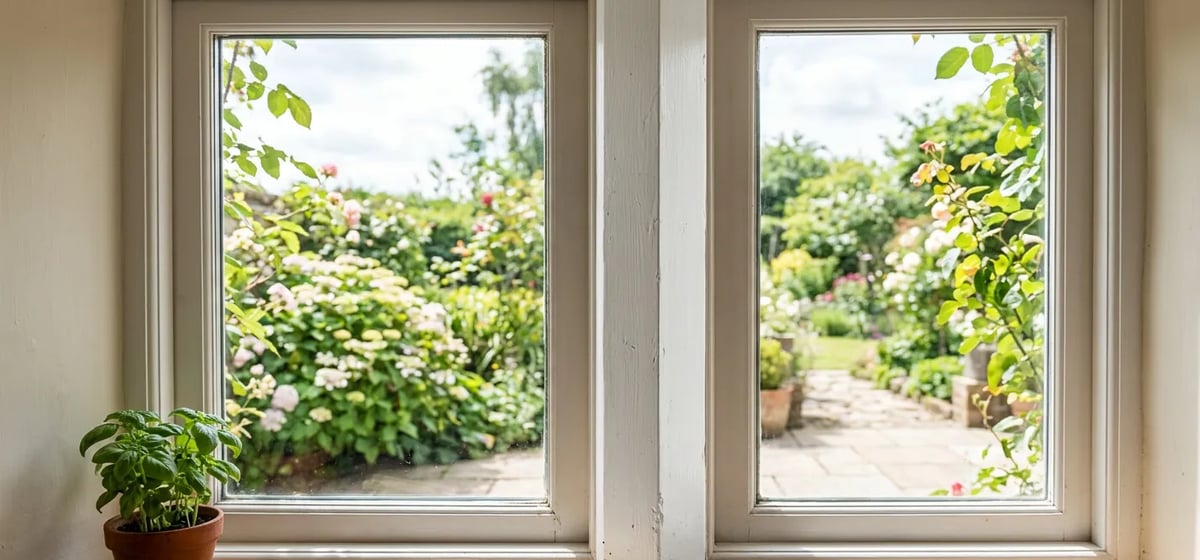
You can spot mullions in several places inside and outside your house. They're very common in large window setups. If you have two big windows sitting side by side in a single frame, the thick vertical bar between them is a mullion. You can learn more about these setups in our guide to Windows & Doors.
You will also find mullions on double doors. French doors often have a vertical strip down the middle where the two doors meet and lock. Some homeowners also have mullions inside their houses. Glass kitchen cabinets sometimes feature wooden mullions to divide the glass into smaller panes. Even your refrigerator might have a mullion. On a French door fridge, a hinged plastic mullion flips out to seal the gap between the two doors. If this part breaks, your fridge will leak cold air. You can read up on fridge maintenance in our guide to Appliances.
Mullions and Muntins
People often confuse mullions with muntins. They sound similar but do very different jobs.
- Mullions: These are the thick, heavy vertical bars that separate two whole windows or doors. They carry weight and provide structure.
- Muntins: These are the thin, lightweight strips of wood or metal that divide a single window glass into smaller squares. They're mostly decorative.
Repair and Replacement Costs
Mullions take a lot of abuse from weather, slamming doors, and daily use. Wood mullions on the outside of your house can rot from rain and snow. Plastic mullions on your refrigerator often snap if someone forces the door shut incorrectly.
Fixing a mullion depends entirely on where it is located. Keep in mind that material and labor prices change, so these ranges vary based on your location.
- Refrigerator door mullions: A replacement plastic flapper part usually costs 50 to 120 dollars. It's a very easy repair you can do yourself with a screwdriver in about ten minutes.
- Interior cabinet doors: Fixing a cracked wood mullion on a kitchen cabinet door might cost 100 to 250 dollars. A local carpenter can usually patch or replace the wood.
- Exterior window mullions: If the structural mullion between two large windows rots, it becomes a major project. A contractor has to remove the windows, replace the rotted frame piece, and reinstall the glass. This repair generally costs 400 to 900 dollars.
- Entryway doors: Replacing a damaged mullion between a front door and a sidelight window can cost 300 to 600 dollars.
If you catch wood rot early, you can sometimes patch the mullion with wood epoxy. You can find out more about fixing trim and wood details in our guide to Interior: Paint, Drywall & Trim. Regular painting and caulking will protect your exterior mullions and save you money in the long run.
What to Watch For
You should inspect your window and door mullions twice a year. Walk around the outside of your house in the spring and fall. Look closely at the vertical bars between your windows. Press a screwdriver gently into the wood at the bottom of the mullion. If the wood feels soft or spongy, you have water damage. You need to seal and paint it before the rot spreads.
Inside the house, pay attention to drafts. If you feel cold air coming through the space between two windows, the caulking around the mullion has likely failed. Scrape out the old caulk and apply a fresh bead of exterior grade silicone. For your French door refrigerator, watch out for condensation. If you see water droplets forming on the vertical strip between the doors, the mullion heater has probably failed. Most modern fridges have a tiny heater inside that plastic strip to stop moisture from building up. If it breaks, you'll need to replace the entire mullion assembly.