What is Photovoltaic Technology?
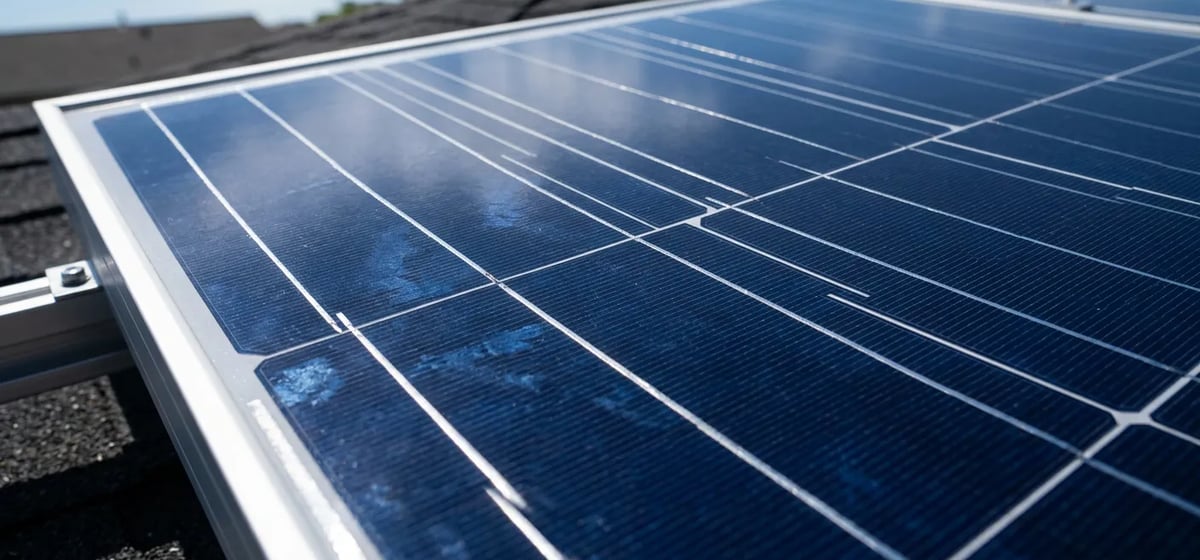
Photovoltaic is the science of turning sunlight directly into electricity. You will usually hear this word used to describe solar panels. The word itself comes from two parts. Photo comes from the Greek word for light. Voltaic is named after Alessandro Volta. He was the Italian physicist who invented the electrical battery. Together, the word simply means making electricity from light.
When sunlight hits a photovoltaic cell, it knocks electrons loose. These tiny particles move through the cell and create an electrical current. Multiple cells are wired together to make a single solar panel. Multiple panels are wired together to power your house. This system hooks directly into your home Electrical panel.
Why It Matters to You
If you want to lower your monthly power bills, photovoltaic technology is how you do it. By installing these panels on your property, you create your own power. When the sun is shining, your house uses the electricity your panels make. If your panels make more power than you need, the extra power goes back to the local grid. Many utility companies will actually pay you or give you a credit for this extra power.
This technology also helps protect you from rising energy costs. Utility rates usually go up over time. If you produce your own electricity, those rate hikes do not hurt your wallet as much. You can learn more about how these systems fit onto your house in our guide to Solar Panels.
What Things Cost
Adding a photovoltaic system to your home is a big investment. For a typical US home, a complete solar system costs anywhere from 15,000 to 30,000 dollars before tax credits. Prices vary widely based on where you live, the size of your house, and the type of panels you buy.
You can also lease the panels or sign a power purchase agreement. In these setups, a company installs the panels for free or for a very low cost. You then buy the power the panels make at a set rate. However, buying the system outright usually saves you the most money in the long run.
What to Watch For Before Installing
Before you sign a contract for a photovoltaic system, you need to check a few things around your house.
- Your roof condition: Solar panels last 25 to 30 years. If your roof is old, you should replace it before you add panels. Taking panels off to fix your Roofing later is very expensive.
- Sunlight and shade: Look at the trees around your house. If big trees block the sun from hitting your roof, the panels will not make much electricity. You might need to trim or remove trees first.
- HOA rules: Many neighborhood groups have rules about where you can put solar panels. Check your bylaws before you buy anything.
- Your electrical panel: Older homes might need an electrical panel upgrade to handle the new solar connection. This can add 1,000 to 3,000 dollars to your total cost.
Keeping Your System Running
One of the best things about photovoltaic systems is how little care they need. Because there are no moving parts, very little can break. The rain usually washes away dust and dirt from the glass. If you live in a very dusty area or get a lot of pollen, you might need to spray the panels with a hose once or twice a year. You should also watch out for heavy snow. If snow covers the panels, they cannot catch the sunlight. You can hire a professional to safely clear the snow off your roof.
Your system will come with an inverter. This box changes the raw power from the panels into the standard electricity your home uses. Inverters usually last 10 to 15 years. You will likely need to replace the inverter at least once during the life of your solar panels. A new inverter usually costs 1,000 to 2,000 dollars.