What is a wire nut?
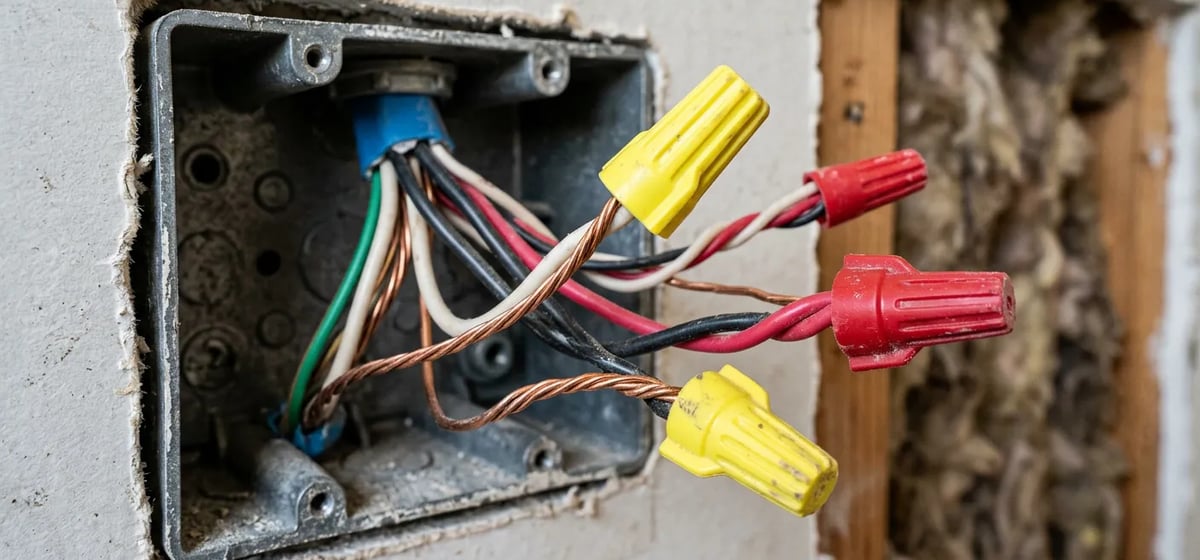
A wire nut is a small plastic cap used to safely connect two or more electrical wires together. You twist it onto the bare ends of the wires to hold them tight and cover the exposed metal. The term describes the nut shape of the cap that threads onto the wires. A company called Ideal Industries invented the modern twist on wire connector in the 1920s. Inside the hard plastic shell, there is a small metal coil. When you twist the cap clockwise over the wires, this coil grips the bare copper. It pulls the wires tightly together to create a solid electrical path. You do not need any special tools to put them on. You just use your fingers to twist them until they are snug.
Why wire nuts matter to you
Your home relies on safe Electrical connections to keep the power flowing. Wires that just touch each other can easily pull apart. They can also spark. A wire nut locks the wires together so they cannot slip out of place. It also acts as an important insulator. The plastic cap completely covers the bare copper ends. This stops the live wires from touching the metal electrical box. It also stops them from touching other wires nearby. If bare wires touch the wrong thing, they can cause a short circuit. They can also trip your breaker or start a house fire. The simple wire nut prevents all of these problems.
Colors and sizes
Wire nuts come in different colors. These colors show what size wires they can hold. You cannot just use any color cap for any job. The color tells you the minimum and maximum number of wires the nut can safely grip.
- Orange nuts are for small jobs. You use them for connecting light fixtures or doorbell wires.
- Yellow nuts are very common. You use them for standard household outlets and light switches.
- Red nuts handle larger groups of thick wires. You might see them where multiple outlet wires join together.
- Blue and gray nuts are often used for very large wires or commercial electrical work.
A small pack of wire nuts costs about 5 to 10 dollars at the hardware store. A large bucket for a whole house project might cost 20 to 40 dollars. Keep in mind that material prices always vary by region and store.
Where you run into them
You will see wire nuts anytime you open an electrical box in your home. If you decide to change a dining room chandelier, you will need to unscrew the old wire nuts. Then you will twist on new ones to connect the new light. You will also find them behind every light switch and wall outlet in your house. They sit tucked into the back of the plastic or metal wall boxes. If you are reading up on DIY vs. Hiring a Pro, changing a basic light fixture is a very common beginner project. You will definitely handle wire nuts if you take that job on. You might also see them in your attic or basement holding wires together inside junction boxes.
Common mistakes to watch for
Homeowners and even handymen sometimes make mistakes when using wire nuts. One big mistake is leaving bare copper exposed. The plastic cap should cover the wire insulation completely. If you see bare copper sticking out below the plastic cap, the wires were stripped too far. Another issue is a loose connection. Over time, wire nuts can loosen up. This happens if they were not twisted tightly enough in the first place. Vibrations from a ceiling fan can also shake them loose. A loose wire nut is dangerous. It can cause lights to flicker or outlets to stop working. You should also look out for melted plastic or scorch marks on the cap. This means the connection got too hot and you need an electrician right away.