What is a Power Purchase Agreement?
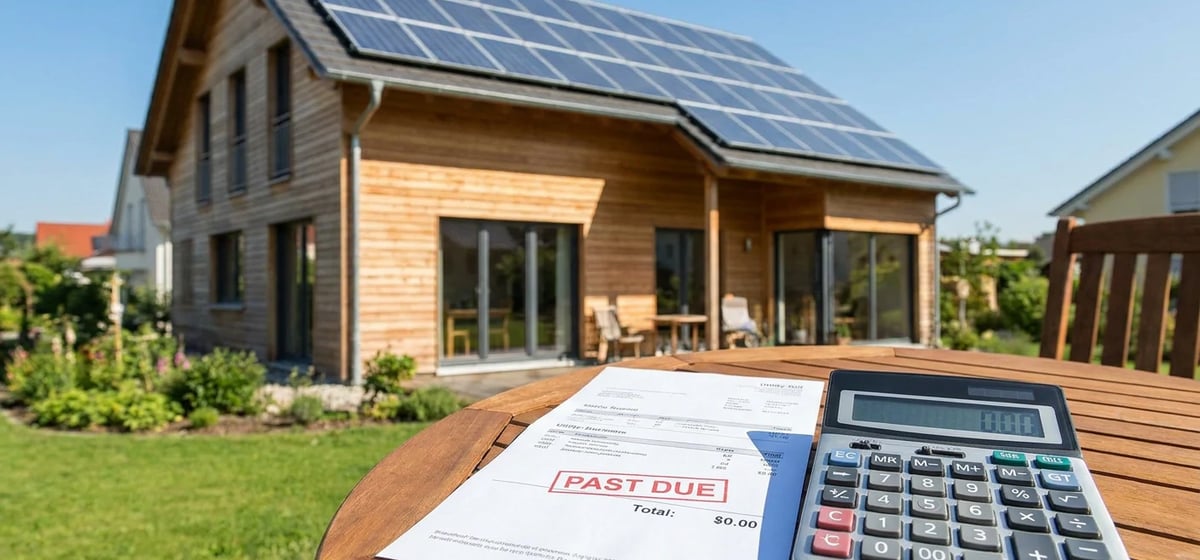
A power purchase agreement is a popular financial contract for home solar panels. A solar company installs the panels on your roof and keeps full ownership of the equipment. You do not pay for the panels or the installation labor. Instead, you agree to buy the electricity those panels make at a set price.
This idea actually started in the commercial energy world. Large utility companies would agree to buy power from independent power plants to ensure a steady supply. In the early 2000s, the residential solar industry adapted this model. It made home solar an option for everyday people who wanted green energy without the massive upfront price tag.
This setup is different from a solar lease. With a lease, you pay a fixed monthly fee to rent the equipment no matter how much power it makes. With a power purchase agreement, you only pay for the exact amount of electricity the panels produce each month.
When you sign the paperwork, the solar company handles all the permits and local utility approvals. They coordinate the inspections and get the system turned on. You basically just provide the roof space and agree to buy the clean power.
How the Costs Work
Buying a solar system outright can easily cost 15,000 to 30,000 dollars. Ranges vary based on your home size and location. With a power purchase agreement, your upfront cost is often zero dollars. You simply pay a monthly bill to the solar company for the power the system generates.
These contracts usually last 10 to 25 years. Your set electricity rate might increase slightly each year, but it generally stays cheaper than regular grid electricity. This can lead to noticeable savings on your monthly utility bills over time. You can learn more about how these systems function in our guide to Solar Panels.
Keep in mind that U.S. federal home energy tax credits ended for systems installed after December 31, 2025. Because the solar company owns the panels anyway, they take any remaining state or utility incentives. You do not get to claim them. Check with your state energy office or local utility for any current rebates or free energy audits in your area.
Maintenance and Roof Repairs
Since you do not own the equipment, you do not have to pay for repairs. The solar company monitors the system and fixes broken parts. If a panel breaks or an inverter fails, the company replaces it at their own expense. This gives you peace of mind over the life of the long contract.
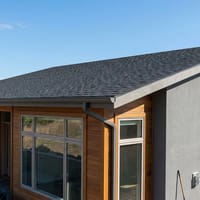
However, the panels sit directly on your roof. If you need a roof replacement, the solar company will charge you to remove and reinstall the panels. This removal step usually costs 1,500 to 3,000 dollars. Always check the condition of your roof before signing a contract. You can read more about roof care in our guide to Roofing.
Selling Your Home
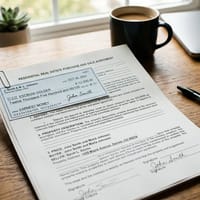
Selling a house with a power purchase agreement can be tricky. The new buyer must agree to take over the contract. They also have to pass a credit check with the solar company. If the buyer refuses the terms or fails the credit check, you have a problem.
In that case, you might have to buy out the rest of the contract yourself to close the sale. Buyouts can cost 10,000 to 20,000 dollars depending on how much time is left on your term. Make sure you understand the transfer rules before you sign. For more tips on listing your house, check out Selling Your Home.
Some real estate agents find that buyers are hesitant to take on someone else's long contract. A buyer might want to own their solar panels outright instead of dealing with a third party. You should factor this into your plans if you think you might move in the next five to ten years.