What is a rake board?
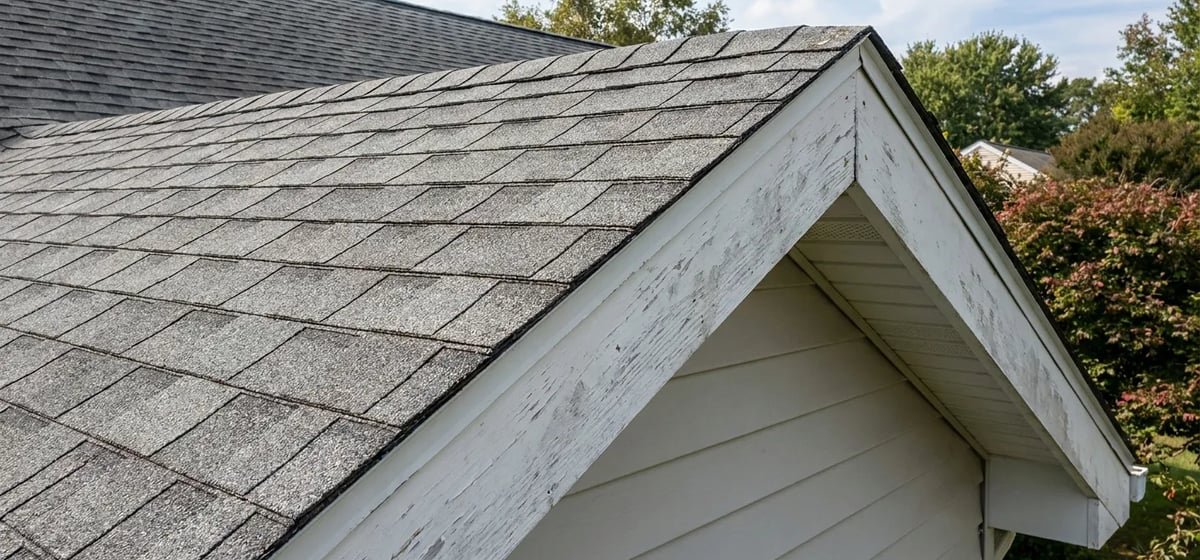
A rake board is the piece of flat trim that runs along the sloped edge of your roof. If you stand in the front yard and look up at the triangle shape of your house, the rake boards are the angled trim pieces forming the sides of that peak. They cover the exposed ends of the roof deck and the top edges of your exterior siding.
In the construction world, the slope of a roof is called its rake. The term likely comes from the Old English word racu. This word means a sloping path or forward movement. Today, builders use rake boards to give the edge of your roofing a clean and finished look. You'll almost always see them painted to match the rest of the trim on your house. They provide a sharp visual outline that boosts your curb appeal.
Why rake boards matter
Rake boards do a lot more than just look nice. They're a main line of defense for your home. Without them, the wooden edge of your roof deck would be completely open to the weather. Rain, ice, and snow would soak right into the exposed wood. This leads to deep rot and expensive structural damage over time.
They also seal a major gap where critters like to enter. Squirrels, birds, and insects actively look for small openings under your roof line to build nests. A solid rake board blocks these pests from getting into your warm attic. If you keep your rake boards in good shape, you reduce the need for expensive pest control visits later on.
Common materials and costs
Builders make rake boards out of a few different materials. The right choice depends on your budget and how much maintenance you want to do. If you need to replace your rake boards, expect to pay between 150 and 400 dollars per side for professional installation. This breaks down to roughly 15 to 30 dollars per linear foot. Keep in mind that material and labor prices vary based on where you live.
| Material | Pros and Cons |
|---|---|
| Wood (Pine or Cedar) | Very common and looks traditional. You must paint or stain it often to stop rot. |
| PVC or Vinyl | Never rots and bugs won't eat it. It costs more upfront but needs almost no maintenance. |
| Fiber Cement | Extremely tough and resists fire and rot. It's heavy and harder to install. |
What to watch for
Because rake boards sit at the very edge of your roof, they take a beating from the sun and rain. You should look at them closely at least once a year. Grab a pair of binoculars and scan the edges of your roof from the ground.
Look for peeling or bubbling paint. This is usually the first sign that water is getting into the wood. You should also watch for dark spots, splitting wood, or small holes. Woodpeckers love to drum on rotting rake boards to find hidden bugs. If you see damage, you should fix it quickly. Small rot spots can easily spread past the exterior trim and reach the framing of your house.
How to maintain your rake boards
Taking care of your rake boards will save you a lot of money. The best thing you can do is keep a fresh coat of paint on them. Paint seals the wood and stops water from soaking in. You should plan to scrape and repaint wooden rake boards every 5 to 7 years. If your house gets a lot of direct sunlight, you might need to paint them more often.
You should also follow a few basic yard chores to protect your trim:
- Trim back tree branches so they do not scrape the paint on windy days.
- Remove wet leaves from your roof so they do not hold moisture against the wood.
- Clean your gutters in the spring and fall so water does not overflow onto the bottom edges of the boards.
These simple steps go a long way toward protecting your roof edges from rot. Just be careful if you use a ladder to do this work. You shouldn't lean a heavy extension ladder directly against a vinyl or PVC rake board, because the plastic can crack under the weight.