What is a reversing valve?
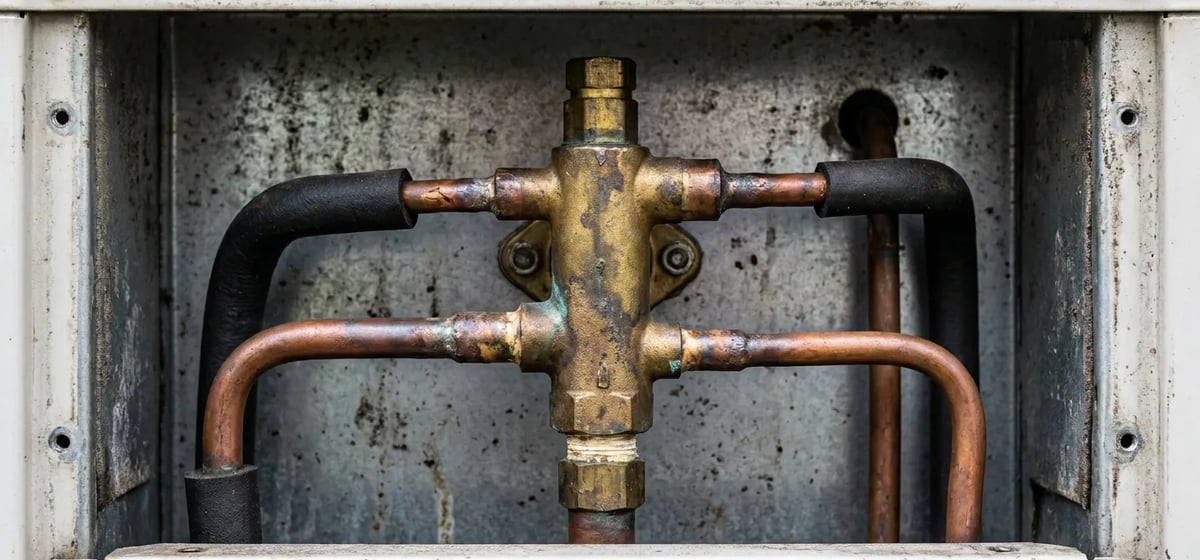
If you own a heat pump, you have a reversing valve. This small brass part sits inside your outdoor unit. It is the magic piece that lets one machine both heat and cool your home. Standard air conditioners only pump heat out of your house. A heat pump uses a reversing valve to change the direction of the refrigerant. In the summer, it pulls heat out. In the winter, it reverses the flow to pull heat inside.
The valve works by using a small electromagnet called a solenoid. When you adjust your thermostat, it sends an electrical signal to this solenoid. The magnet pulls a slider inside the brass tube. This slider redirects the high pressure gas. It is a simple mechanical action, but it completely changes how your whole system operates.
Why it matters to you
This valve is the only reason you do not need a separate furnace and air conditioner. It saves you money on equipment and saves space in your home. You will actually hear this valve do its job. When you switch your thermostat from cooling to heating at the change of seasons, the valve shifts. You will hear a loud whoosh or a sharp clicking sound from the outside unit. This is totally normal. It just means the pressure is changing directions.
You will also hear this sound during the winter. Heat pumps sometimes build up frost on the outside coils when the temperature drops. The system will briefly switch back to cooling mode to melt that ice. This is called a defrost cycle. The reversing valve makes this quick switch possible. You can learn more about how these cycles work in our guide to HVAC & Climate Control.
Signs of trouble
Reversing valves can get stuck. They sit outside in the elements and work hard all year long. Sometimes the solenoid burns out. Other times, the internal slider gets jammed by dirt or old oil. When a valve gets stuck, your system cannot switch modes. Sometimes a valve does not get completely stuck, but it leaks internally. If this happens, the hot and cold gases mix together. Your system will run, but the air coming out of your vents will feel lukewarm. This forces your heat pump to work twice as hard to reach your target temperature.
Here are a few clear signs your reversing valve might be failing:
- Your vents blow hot air when you set the thermostat to AC.
- Your vents blow cold air when you set the thermostat to heat.
- Your outdoor unit makes a loud, repeated clicking sound but never actually starts blowing air.
- Your energy bills spike because the system runs non stop without actually changing the room temperature.
Repair and replacement costs
You cannot fix a broken reversing valve yourself. It involves handling high pressure chemical refrigerants. Only a licensed professional can legally do this work. The technician will need to drain the entire system, cut out the old brass valve, weld a new one in place, and refill the refrigerant. It is a messy and time consuming job. A good technician will also check the electrical wiring to the solenoid before they cut any pipes. Sometimes the valve itself is fine, and a cheap wire is the real problem.
Replacing a reversing valve is a major repair. You can expect to pay 500 to 1,500 dollars for the job. Labor makes up most of this price. The exact cost depends on your local rates, the cost of new refrigerant, and the size of your unit, so ranges vary. If your heat pump is older than ten or twelve years, you might want to replace the whole outdoor unit instead of paying for this single repair. You can read up on getting good quotes in our guide to Hiring Contractors & What Things Cost.