What Is a Roof Boot?
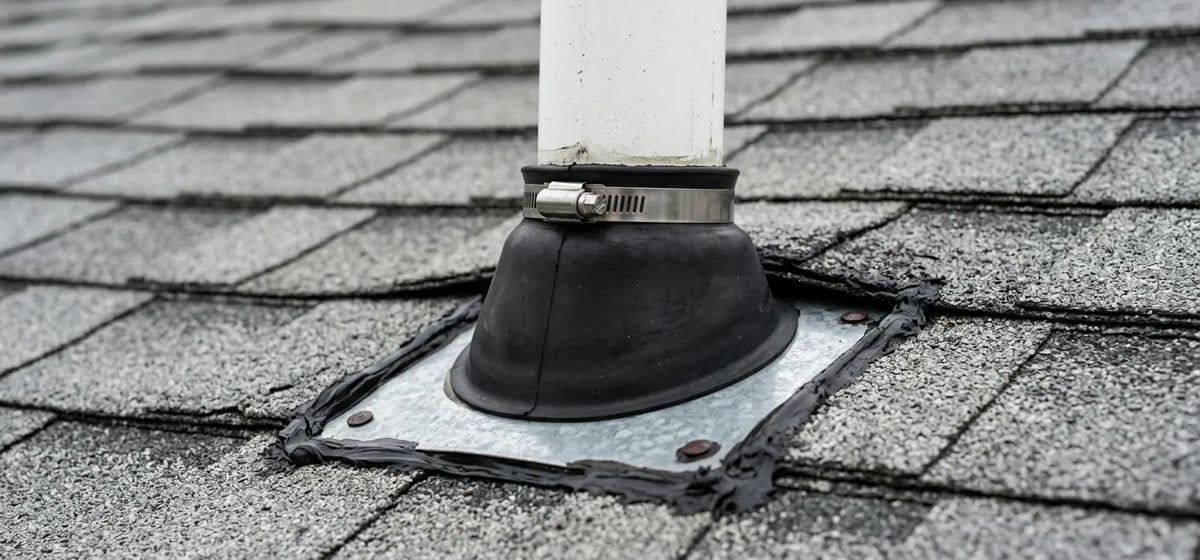
A roof boot is a small but important piece of flashing on top of your house. It fits tightly around the plumbing vent pipes that stick out of your roof. These pipes let sewer gases escape and help your drains flow smoothly. When roofers install these pipes, they cut a hole in the roof deck. The roof boot covers that hole. It's usually made of metal, plastic, or rubber. The bottom flat part slides under the shingles above the pipe and sits on top of the shingles below the pipe. The top part is a flexible collar that hugs the pipe tight. This design forces rainwater to flow around the pipe and down the roof instead of dripping into your attic. The term comes from the shape of the cover. It looks like a shoe or a boot sitting at the base of the pipe. You might also hear contractors call them pipe jacks or vent flashings.
Why Roof Boots Matter
Your roof has to keep water out of your house. A solid sheet of shingles does a great job of this. But every hole you cut into the roof creates a weak spot. Plumbing vents are the most common holes. A healthy roof boot seals this gap perfectly. If the seal fails, water will sneak past the shingles. It will run down the outside of the PVC pipe straight into your attic. This water can ruin your insulation and rot your wood framing. Mold can grow in wet insulation in just a few days. The water can also run along rafters and drip far away from the actual leak. This makes it very hard to track down the source of the water spot on your ceiling. Taking care of your roof boots is a big part of basic Roofing maintenance.
Signs Your Roof Boot Is Failing
Roof boots don't last forever. The sun beats down on them every day. The rubber collar dries out and cracks over time. Squirrels and other animals sometimes chew on the soft rubber. Most rubber roof boots last 10 to 15 years. This is often much shorter than the life of your actual roof shingles. You should inspect them from the ground with binoculars once a year. Look for a few clear warning signs.
- Cracks or tears in the black rubber collar around the pipe.
- The rubber seal pulling away from the pipe.
- Curling or rusting on the metal base of the boot.
- Water stains on your ceiling right below a bathroom or kitchen.
- Damp insulation in your attic near a plumbing vent.
Repair and Replacement Costs
Replacing a roof boot is a common and affordable repair. You can hire a roofer or a handyman to do the job. The part itself only costs 10 to 30 dollars at a hardware store. But you're paying for the labor and the risk of climbing on the roof. Most homeowners pay 150 to 400 dollars to have a professional replace a single roof boot. Prices vary based on your location and how steep your roof is. If you have multiple plumbing vents, it's smart to replace all the boots at the same time. The contractor is already up there, so the extra boots will only add 50 to 100 dollars each to the total bill. Some homeowners try to seal a cracked boot with roofing tar or silicone caulk. This is only a short fix. The sun will break down the caulk in a few months. A full replacement is the only permanent solution. The contractor will gently lift the surrounding shingles, remove the old boot, nail down the new one, and seal the nail heads. This simple update keeps your Plumbing vents sealed and your attic bone dry.