What is a roofing nail?
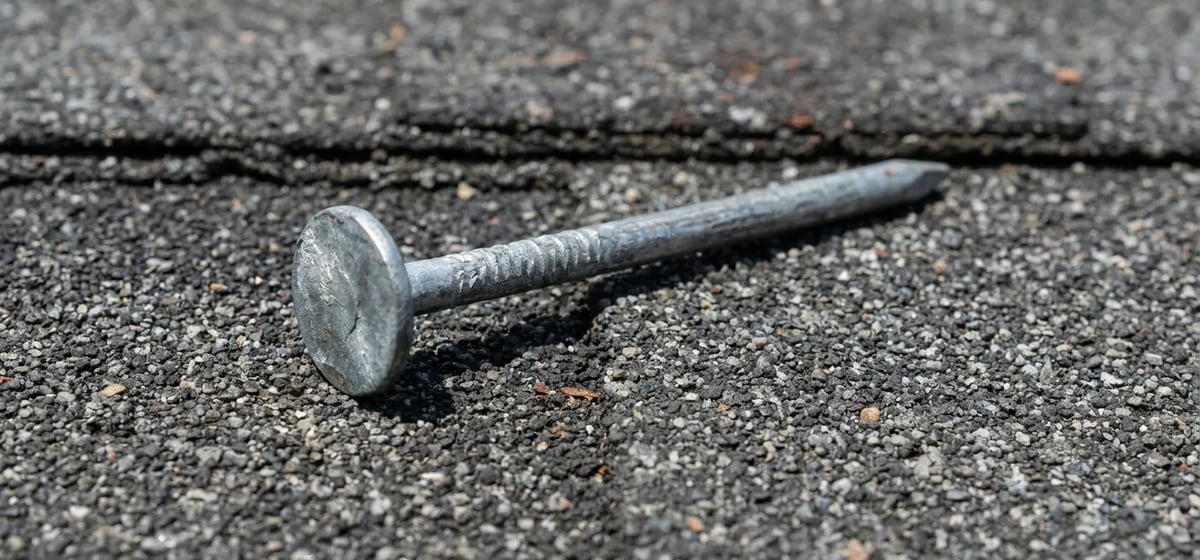
A roofing nail is a short and thick fastener. It features a very wide and flat head. Roofers use them to secure asphalt shingles and waterproof underlayment to the wooden deck of your roof. The large head stops the nail from tearing through the soft shingle material during high winds. The word nail comes from the Old English word naegel. This originally meant a human fingernail or a wooden peg. Manufacturers designed the modern wide head version specifically for the booming American asphalt shingle market in the 1920s.
These fasteners are usually 1 to 2 inches long. They have a sharp diamond point to pierce the wood easily without splitting it. The shank is the long part of the nail that goes into the wood. Some shanks are completely smooth. Other shanks have rings or twists cut into them. Ring shank nails grip the wood much tighter than smooth ones. They are much harder to pull out. This makes them perfect for homes in areas that get hurricanes or heavy storms.
Why it matters to you
Your roof takes a beating from the weather every single day. The roofing nail is the only thing holding your shingles in place. If a contractor uses the wrong type of fastener, a strong gust of wind can easily rip your shingles right off the house. This leaves your home completely open to water damage.
When you learn about Roofing, you will see that building codes dictate exactly how many nails must go into each shingle. Most standard installations require four nails per shingle. Areas with high winds might require six nails per shingle. An inspector will check the nail placement if you get a new roof. The nails must go through the thickest part of the shingle. If the roofer shoots the nail too high, it will not hold the shingle down. If they shoot it too low, water will catch on the nail head and cause a leak. The nail head must also sit perfectly flat against the shingle. If the nail goes in at an angle, the sharp edge of the head will cut into the asphalt over time.
Materials and costs
You will find roofing nails in a few different materials. The material matters a lot because roofs get wet. You need a nail that will not rust away over the years.
- Galvanized steel: These are the most common. Manufacturers coat steel nails in zinc to stop rust.
- Aluminum: These resist rust well but they bend easily. Roofers sometimes use them for metal roofs.
- Copper: These are very expensive. Contractors only use them on copper roofs to prevent chemical reactions between different metals.
Contractors usually buy these nails in large coils rather than loose in a box. A coil allows the roofer to use a pneumatic nail gun. A nail gun speeds up the job significantly. A single box of coil nails contains thousands of fasteners. One box usually costs 40 to 60 dollars. A typical suburban home might need three or four boxes for a complete roof replacement. If you hire a professional, the cost of nails is just a tiny fraction of the total job. A full roof replacement often costs 8,000 to 15,000 dollars, though prices vary based on your location and roof size. You can read more about pricing in our guide on Hiring Contractors & What Things Cost.
What to watch for
As your house heats up and cools down, the wood in your roof expands and contracts. This constant movement can slowly push a roofing nail up and out of the wood. Roofers call this a nail pop. A popped nail will lift the shingle above it. This breaks the waterproof seal. Water can then sneak under the shingle and rot your roof deck.
You might also see rusty nail heads if you look up in your attic. If you see dark water stains around a nail pointing down through your attic ceiling, you have an active leak. Catching these small issues early saves you from massive water damage repairs inside your walls and ceilings later.