What is a root barrier?
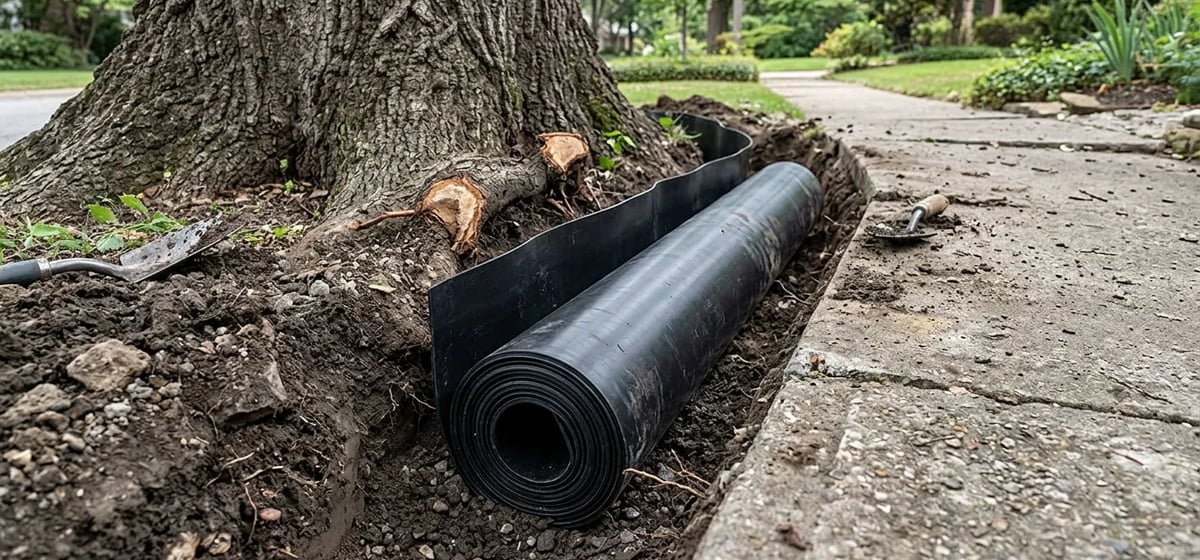
A root barrier is a thick, hard plastic wall buried in the ground near trees or large bushes. When you plant a tree, its roots naturally want to spread outward near the surface to find water and oxygen. A root barrier blocks this outward path. It forces the tree roots to grow straight down into the deeper soil instead. Landscapers and engineers developed these physical shields in the 1970s. They needed a way to prevent expensive repairs caused by urban tree planting.
These barriers come in long rolls or interlocking panels. They are usually made of high density polyethylene plastic. They stand vertically in the soil. They range from 12 to 36 inches deep. The depth you need depends on the type of tree and what you are trying to protect.
Why it matters to you
Tree roots are incredibly strong. They can lift heavy concrete and crush pipes as they grow thicker. A root barrier saves you from massive repair bills. If you plant a fast growing tree too close to your house, the roots can push against your Foundation & Structure. This causes cracks and uneven floors inside your home.
Roots also hunt for moisture. They love to wrap around and crush underground pipes. Blocking them keeps your sewer lines clear and protects your home Plumbing. A barrier also stops roots from lifting up your driveway, sidewalk, or patio. Tripping hazards on a sidewalk can lead to lawsuits or fines from your city. Putting a plastic shield in the ground is a cheap way to avoid these huge headaches later.
Where you run into it
You will usually see root barriers mentioned when you are planning a new yard project. If you hire a landscaper to plant a large oak or maple tree near your driveway, they will likely include a barrier in the quote. You might also hear about them if you buy a home with mature trees planted very close to the house.
Sometimes, your city will require you to install one. If you are planting a tree in the strip of grass between the sidewalk and the street, local codes often demand a root barrier. This protects the public sidewalk and the curb from buckling.
What to watch for
Root barriers are not magic. They need proper installation to work right. If you install one poorly, the tree roots will just find a way around it. Keep these rules in mind:
- Leave the top edge exposed above the dirt by at least one inch so roots cannot grow over it.
- Do not wrap the barrier in a tight circle around the trunk, or you might choke the tree.
- Make sure the barrier does not trap too much water and rot the roots.
Many modern barriers have special vertical ridges to guide roots down while letting some water drain away. You can hide the exposed top plastic edge with a light layer of mulch, but it must stay above the actual soil line.
Installation and costs
Putting in a root barrier is hard physical work. You have to dig a narrow, deep trench right next to the tree or the concrete you want to protect. Doing this for a mature tree is risky. You have to cut some existing roots, which can kill the tree or make it fall over in a storm. It is always best to install the barrier when the tree is first planted.
If you do it yourself, the plastic panels cost about 2 to 5 dollars per linear foot. Hiring a professional from the Landscaping, Drainage & Outdoor industry will cost much more due to the heavy digging. You can expect to pay 700 to 1500 dollars for a pro to trench and install a barrier around a large tree. Prices always vary based on your location and soil type. Hard clay soil takes much longer to dig through than loose sand.