What Is Sheathing
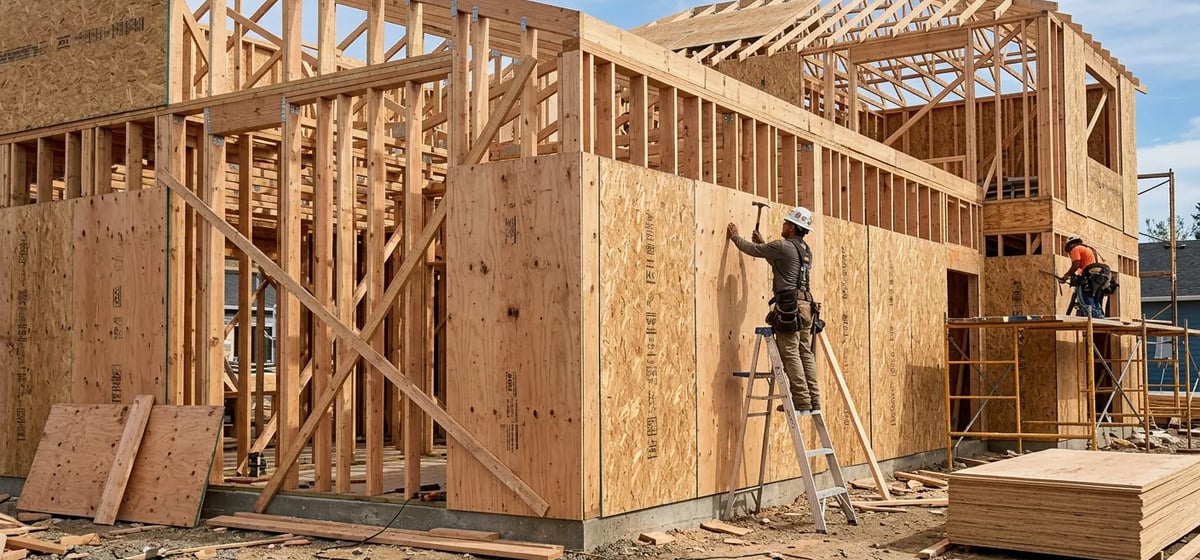
Have you ever seen a new house being built? Before the brick or vinyl goes on, the house looks like a giant wooden box. That flat wooden layer is called sheathing. It is the skin that covers the skeleton of your house. Builders attach it directly to the bare wall studs and roof rafters. The word actually comes from the Old English word sceath. That means a protective case or cover. It makes perfect sense because this wooden layer protects the inside of your home from the outside world.
You will usually only see this material when you do a major renovation. It stays hidden behind your drywall on the inside and behind your siding on the outside. Even though you cannot see it, it works hard every day to keep your house standing tall.
Why It Matters to Your Home
Sheathing serves three major purposes for your house. First, it makes your home incredibly strong. Without it, your walls could twist and collapse in high winds or bad storms. The large panels lock the wall framing together to keep the whole structure rigid. This is called shear strength.
Second, it gives builders a solid, flat surface to work on. They need this thick wooden surface to nail down your exterior siding and your roof shingles. You cannot nail siding directly to empty air between wall studs.
Finally, it acts as a base layer for your weatherproofing. Builders wrap the outer wood panels in a special paper or plastic house wrap. This wrap stops rain and moisture from getting into your insulation and living spaces.
Common Materials Used
Over the years, builders have used different materials to cover houses. If you live in a home built before the 1970s, you might have solid wood boards. Builders used to nail these long boards diagonally across the structural studs. Today, almost all modern homes use large engineered wood panels instead.
- OSB: This stands for oriented strand board. It looks like hundreds of large wood chips glued and pressed together into a sheet. It is very strong and usually costs less than other options.
- Plywood: This is made of very thin sheets of wood glued in alternating layers. It handles moisture slightly better than OSB.
- Foam board: Some newer homes use thick foam panels instead of wood. This adds a heavy layer of insulation to the outside of the house to lower energy bills.
What to Watch For
Because this wood sits right behind your siding and roof, it is vulnerable to water. If water gets behind your siding or under your shingles, the wood panels will eventually rot. A small hidden roof leak can slowly destroy the wood underneath over several months.
Replacing damaged wood panels adds a surprise cost to many home repairs. If a roofer finds rotten wood when they tear off your old shingles, they have to replace it before putting down the new roof. You can expect to pay 60 to 90 dollars for each new sheet of plywood or OSB installed. These prices are just a ballpark estimate and ranges vary based on your local labor rates and material costs. A typical sheet measures 4 feet by 8 feet. If you need to replace a large section of your roofing base, those extra sheets can add hundreds of dollars to your final bill. Keeping your roof and siding in good shape is the best way to protect your Foundation & Structure and the wood that covers it.